
Greeting card printing for photographers and artists
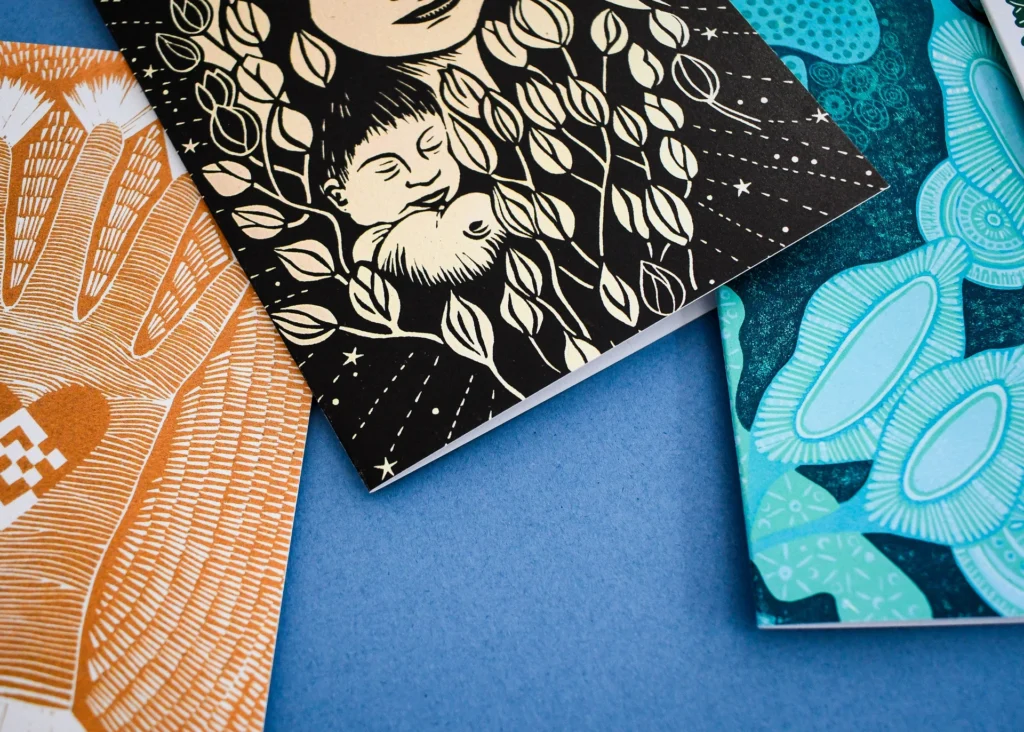
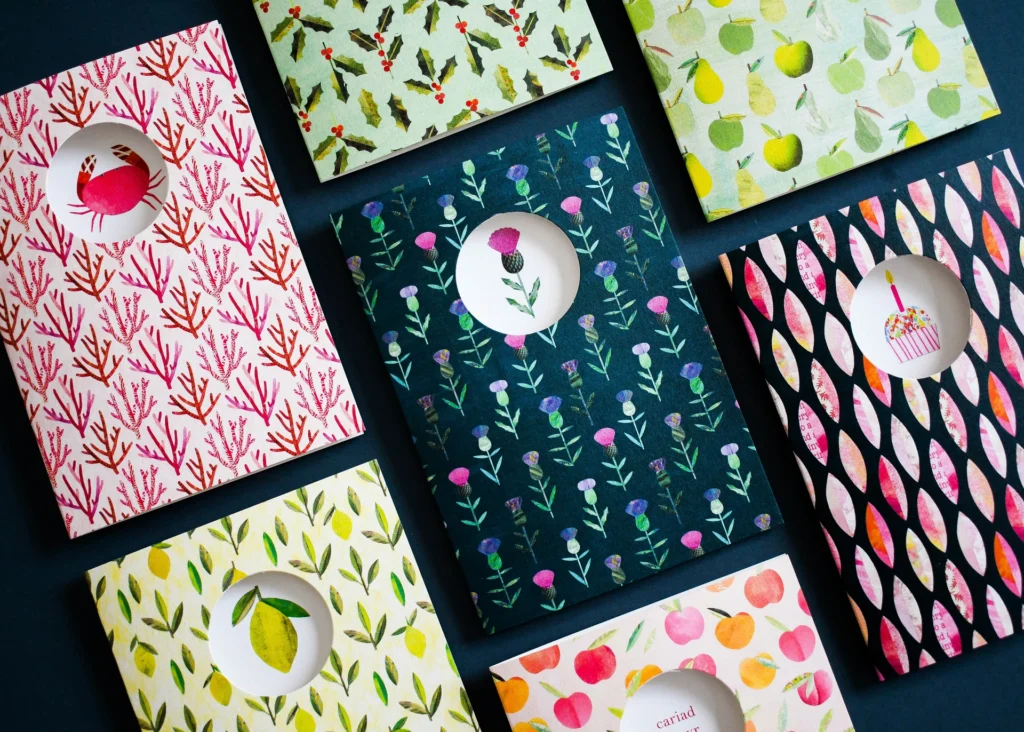
Turning your artwork or photography into greeting cards is one of the simplest ways to put your work in people’s hands and earn from it. A print or an original reaches one buyer. A card design can sell for years, at a price most people will pay without thinking twice, in galleries, gift shops, at fairs and online.
I’m Lucy, Marketing Director at Ashley House. I trained in design before I came into print, and a good part of what we do here is help artists, illustrators and photographers get their work made into greeting cards they can sell.
This guide covers the decisions that matter: how to make sure your art reproduces the way you intended, which paper and finishes suit which kind of work, how many to print when you are starting out, and the trade and eco details that make a card easier to sell. It is written for the maker, not the hobbyist printing at home.
Key points
- UK buyers spent £1.53 billion on single greeting cards in 2024, and a healthy share of that market is independent and art-led.
- Get colour (CMYK), resolution (300dpi) and a proof right and the finished card matches the original artwork. Our pre-press team checks every file before it prints.
- Uncoated stock suits illustration and line; coated suits photography and saturated colour, and every paper we use is FSC certified.
- Short digital runs on the HP Indigo let you test which designs sell before a longer litho run, with no minimum order quantity.
- Eco credentials help cards sell: Carbon Balanced through the World Land Trust, FSC certified, ISO 14001 accredited, vegetable-based inks.
Getting your art to reproduce as well as the original
Colour, resolution and a proof you can trust
The single biggest disappointment in card printing is a card that does not look like the artwork did. It is almost always avoidable, and it comes down to three things.
Colour. Presses print in CMYK, a four-ink split, while your screen shows RGB, which can display brighter blues, greens and oranges than ink on paper can reach. Convert to CMYK and check before you commit, so you see any shift on screen rather than on the finished card. If a particular colour is central to the piece, a brand blue, a specific red, we can match it with a Pantone spot colour.
Resolution. Supply images at 300dpi at the printed size. If you are working from original art, start with a high-resolution scan or a properly lit photograph shot square-on. You cannot add detail later by enlarging a small file, so it pays to capture it well at the start.
A proof you can trust. This is where a real printer earns its place over an upload-and-hope service. We produce a proof so you can check colour, density and how the paper affects the image before the full run goes ahead, and for colour-critical work you are welcome to come in and see it in person at our Exeter studio. If file setup is not your thing, bleed, trim, folds and export settings, send us what you have: our pre-press team checks every file before it prints, and our in-house studio can set the artwork up for you.
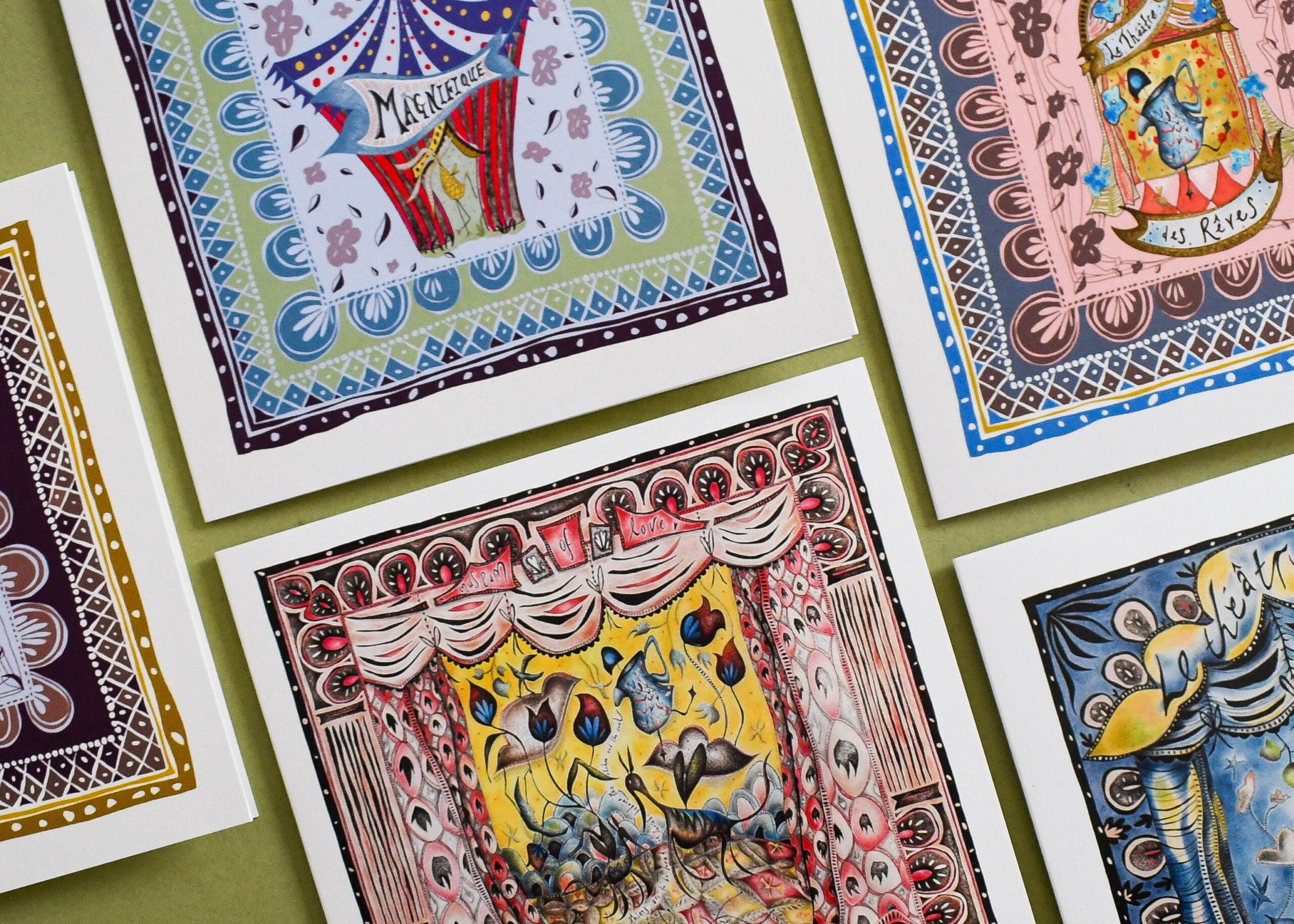
Choosing paper and finishes for work that sells
Uncoated, coated and the finishes to think twice about
Paper changes how your design reads and how the card feels in the hand, and the feel of a card is a large part of why someone picks it up and buys it.
Uncoated stock is a favourite for art and illustration. It has a natural, tactile surface, it flatters line, texture and muted palettes, and it takes a pen, which matters when the buyer is going to write a message inside. It is a capable, popular choice, not a budget one: around 75% of our brochure work now runs on uncoated.
Coated stocks, silk or gloss, hold fine detail and lift saturated colour, so they usually suit photography and bold, image-led work better. Recycled and textured papers are available in both, and every paper we use is FSC certified and responsibly sourced.
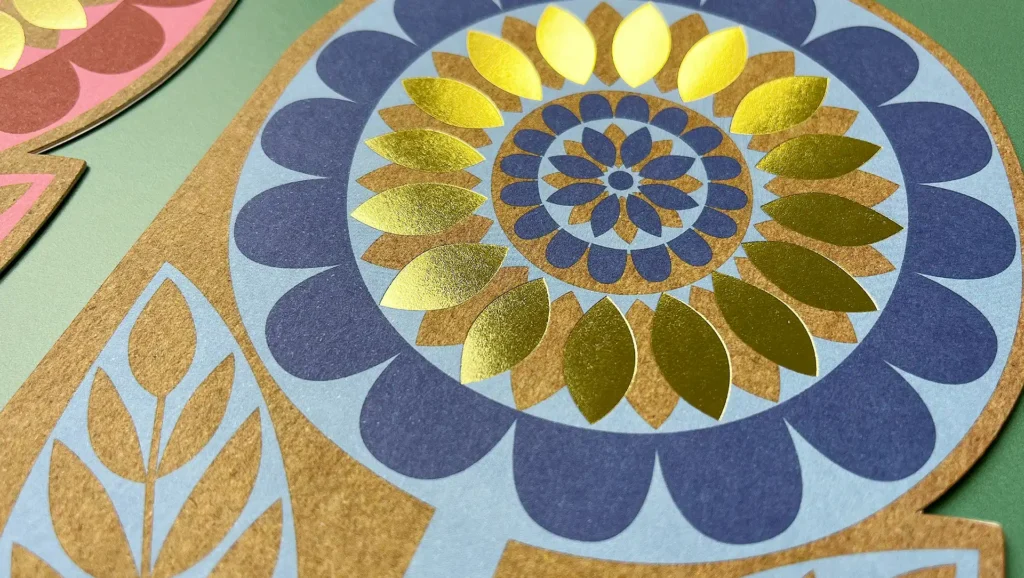
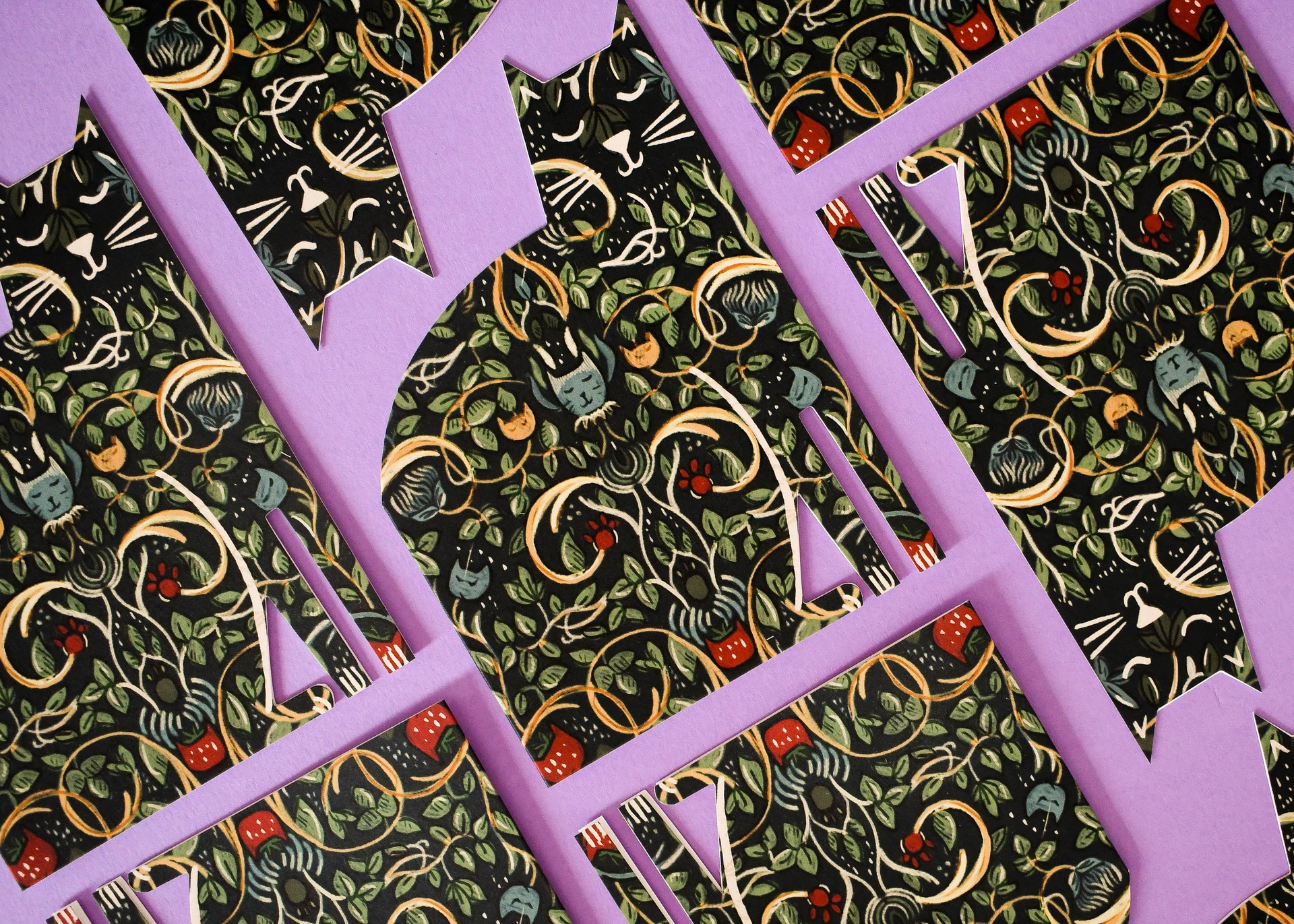
For something with more presence you can add soft touch lamination, spot UV varnish, foiling, embossing or a die-cut edge, all finished in-house. One point worth flagging, to your customers and to yourself: some finishes, certain laminates and foils in particular, make a greetings card harder to recycle.
If eco credentials are part of your appeal, and for a lot of designers and companies they are, we will talk you through the finishes that keep the look without undoing the environmental story.
How many to print
Start with a short digital run, then scale to litho
You do not need to commit to thousands to find out what sells. This is the biggest advantage of printing with a commercial digital press rather than placing a bulk order.
Our digital press, the HP Indigo 7900, is the economical choice up to around 500 copies and is ideal for short runs and test batches. Print a small quantity across a few designs, see which ones move at your next fair or in your shop, then reprint the winners.
When a design has proven itself and you are ordering in volume, our Heidelberg Speedmaster lithographic presses give the best value on longer runs. There is no minimum order quantity, so you can print 25 cards of a new design or 25,000 of an established one, and step up as demand grows.
| Consideration | Digital (HP Indigo 7900) | Litho (Heidelberg Speedmaster) |
|---|---|---|
| Best for | Short runs and test batches, up to around 500 copies | Longer, established runs above around 500 copies |
| Typical use | Trialling a new range, personalised or seasonal work | Volume reprints of proven designs |
| Cost | Most economical at lower quantities; no plates to make | Best value per card as the quantity rises |
| Minimum order | No minimum order quantity | No minimum, but suited to larger quantities |
Printing to demand also keeps your cash and your storage under control, which matters more than makers expect once a range grows past a handful of designs.
The details that trade buyers notice
The back of the card, sizes and packaging
The back of a card is easy to treat as an afterthought, and for anyone printing greeting cards to sell it is working space. It usually carries the design title, your name or studio name, your website, the copyright symbol and the year.
If you plan to sell through shops, add a barcode and a short product code: it makes reordering painless for a retailer and marks you out as someone who is set up to supply, not just to make.
Think about the practical side of the finished product too. Cards are sold by their size and matching envelope, so choose standard sizes (A6 and A5 folded, or square) that fit off-the-shelf envelopes your stockists can reorder.
How the card is packed matters as well, both for protection and for how it presents on a shelf. We use plastic-free packaging, which is increasingly what eco-minded buyers and shops look for.
Why your eco credentials help you sell
The proof behind the claims
Sustainability is a buying reason in cards now, and it is where printing with us gives you something to say that most makers cannot.
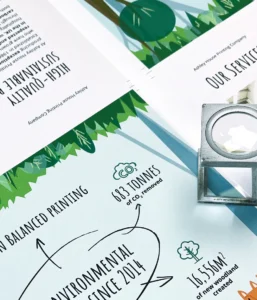
We are a certified Carbon Balanced Printer through the World Land Trust, we are FSC certified and ISO 14001 accredited (the international standard for environmental management), we run on 100% green energy with a zero landfill policy, and we use vegetable-based inks.
Our standard paper has been carbon balanced as standard since 2014, at no extra cost, and since then we have removed 988 tonnes of CO2 and protected 43,850m² of habitat through the World Land Trust. If it is useful for your own marketing, we can print the FSC logo on the back of your cards, and we can supply the certification details if a stockist or a customer asks for it.
Alternatively, we can add one of our in-house eco logos to show your customers that you care.
A card that is demonstrably responsibly made, with the proof to back it, is easier to sell to the buyers who now expect it, and it lets you charge what the work is worth.
Selling your cards
Fairs, shops and wholesale
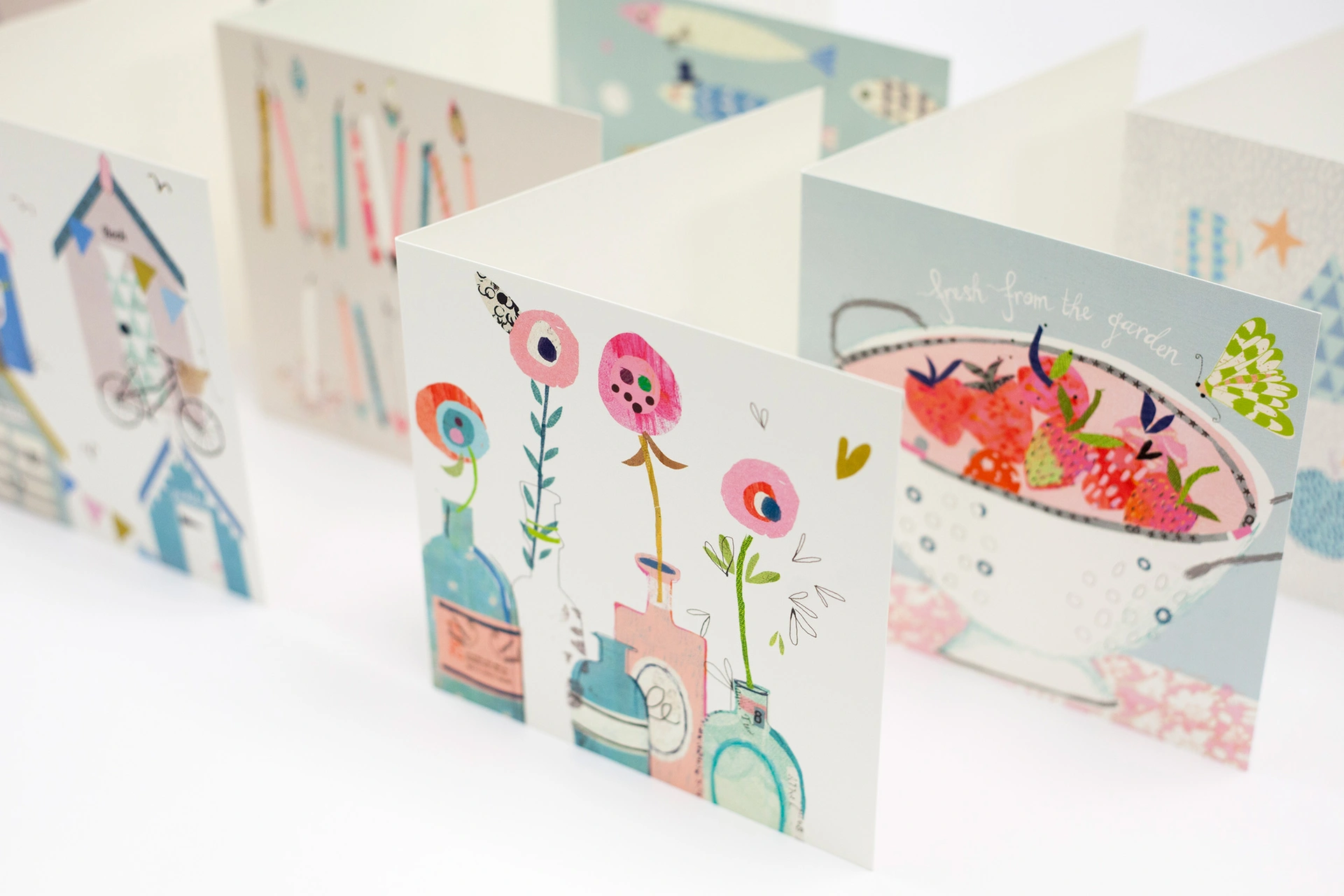
Once you have cards you are happy with, the routes to market are well trodden: your own website and marketplaces, craft and art fairs, local galleries and gift shops, and wholesale to independent retailers. Shops usually buy at a trade price (commonly around half the retail price) or on sale-or-return, so build your pricing so the card still makes sense at wholesale, not only at full retail. The Greeting Card Association has practical guidance on getting your cards published and stocked that is worth a read when you are ready to approach retailers.
If a bigger opportunity comes, a licensing deal, a large wholesale order, a range for a gallery shop, having a printer who can move from a short digital run up to a litho run of thousands without you changing supplier keeps things simple.
Next steps
We are an independent, family-run printer in Exeter, printing since 1986, with our presses, bindery, pre-press and design studio all on one site. We deliver to the whole of the UK and worldwide. That means you can talk to the people running your cards, see a proof before anything is committed to the press, and get practical advice on stock, finishes and quantities from people who print cards every week. There is no minimum order, so you can start small and grow.
When you are ready, take a look at our greeting card printing service, or send your artwork to our pre-press team for a file check and we will make sure it is ready before it prints.
If you also sell your work as prints, our fine art printing uses the same care with colour, and if you are building this into a business, our guide on how to start a greeting card printing business is a useful next read.
Frequently Asked Questions
-
Start with a high-resolution scan or photograph of your work, convert it to CMYK at 300dpi, and place it into a card template at the finished size with bleed added. Send it to a printer for a proof before the full run.
If you would rather not set the file up yourself, our studio can do it for you, and our pre-press team checks every file before it prints.
-
Decide the finished size and whether the card is folded or flat, choose a stock that suits your work (uncoated for illustration and line, coated for photography and saturated colour), and add the trade details to the back: title, your name, website, copyright and, if you are selling through shops, a barcode.
Print a short run first to test which designs sell, then reprint the ones that do.
-
In print, “art paper” usually means a coated stock with a smooth surface that holds fine detail and colour, while “art card” is the heavier weight a greeting card needs to stand up and take a crease.
Good art card printing pairs a card weight (typically 300gsm or more) with a surface that suits the work, and we will recommend the right stock and finish for your artwork and how the card will be used.
-
The common routes are your own website and marketplaces, art and craft fairs, and wholesale to galleries and gift shops. Price so the card still works at a trade price of around half retail, use standard sizes with off-the-shelf envelopes, and add barcodes so retailers can reorder easily.
Responsibly made cards, with credentials like FSC and Carbon Balanced to prove it, are easier to place with the buyers who now expect them.