

How to start a greeting card business | UK Guide
Starting a greeting card business in the UK is a strong opportunity for designers, illustrators and creative sellers. Success comes from blending originality with smart planning, good presentation and reliable print production. Today’s customers love unique, heartfelt designs and increasingly seek out eco-friendly cards, so focusing on quality and sustainability can help new brands stand out in a competitive, £1+ billion market.
Quick summary for creatives and Etsy sellers
- 1. Research the market Explore current trends, popular card themes, and gaps in the UK market. Study what sells on platforms like Etsy, local shops, and Pinterest. Look for opportunities to stand out with originality or sustainable values.
- 2. Define your niche Choose a clear creative direction that reflects your design style and connects with a specific audience. Whether it’s humorous cards, nature-inspired designs, or personalised messages, focus your range to build a strong brand identity.
- 3. Plan your setup and budget List the tools and costs you’ll need to launch – including design software, packaging, and short-run printing. Start small to manage risk and reinvest profits into growing your range or online shop.
- 4. Design standout cards Create card designs that are fresh, cohesive, and aligned with your niche. Use premium, eco-conscious materials that add quality and value. Consider partnering with a specialist greeting card printer to get professional results.
- 5. Build your online presence Open a shop on Etsy or your own site. Upload high-quality images and optimise listings for SEO. Promote your brand using social media, email marketing, and seasonal collections to drive traffic and sales.
- 6. Start selling and learn as you go Begin with limited designs and print runs and adapt based on feedback. Offer excellent customer service, update designs based on what sells, and keep sustainability at the core. Small, steady growth often leads to long-term success.
Understanding the UK greeting card business landscape
The UK greeting card business is thriving, offering huge opportunities for creatives and small business owners looking to start or scale their ventures. With a deep-rooted tradition of card giving, the market is experiencing exciting changes, driven by shifting consumer habits, digital engagement, and a passion for high-quality, sustainable products.
Creatives entering the card business need to stay attuned to key market trends and the evolving landscape to carve out a successful niche. From uncovering demand for handmade and personalised greeting cards, to identifying growth in online stores and eco-conscious card designs, this overview explores what makes the UK greeting card landscape unique and how savvy business planning can set your brand apart.
Key trends shaping the greeting market for card designers
The UK greeting card business continues to thrive, despite the digital age, because sending a thoughtful card remains a cherished tradition. For creatives considering starting a greeting card business, understanding today’s market trends is crucial to developing competitive products and a resilient brand. The landscape has evolved significantly, with strong demand for cards that convey genuine sentiment, originality, and ethical values. Market research shows customers are gravitating toward unique card designs, including printed greeting cards with rich finishes, water-based inks, and eco-friendly materials, all top priorities for designers looking to stand out in the card business.
Growth in the UK greeting card market isn’t occurring in a vacuum. Shops are responding to customer demand for broader product ranges, from quirky custom products to themed greeting card collections that capture various life occasions. Data indicates a shift towards supporting small business owners and independent artists, especially as more cards are sold through online stores and marketplaces like Etsy. This trend makes it easier for newcomers to start a card business and reach a national audience, even if they’re working from home. Card designers who focus on personalised greetings and custom printed options often generate higher engagement and sales, making niche marketing a powerful strategy for anyone starting or growing their business.
Sustainability is another trend transforming the greeting card industry. Environmentally conscious buyers care about the story behind the products they buy, especially when it comes to printed greeting cards. They look for cards made from responsibly sourced paper and printed using low-impact or recycled materials, areas where Ashley House leads the way as a trusted print company with a focus on eco-friendly production. For those keen on starting a greeting card business with genuine ethical appeal, it’s wise to partner with print suppliers who champion eco-friendly printing, as this enhances both brand reputation and market reach. This emphasis on sustainability encourages small business owners to conduct in-depth market research before launching, helping them create checklists of eco credentials, card features, and design inspirations that resonate with today’s conscious consumer.
Creatives entering the greeting landscape should pay close attention to ongoing trends such as the resurgence of local retail, increasing demand for small batch and bespoke products, and the influence of social media on card sales. Building a business that adapts swiftly to consumer preferences, like offering easy ordering from an online store or presenting new seasonal designs, gives greeting card companies a valuable competitive edge. Whether you’re starting a greeting card business from scratch or growing an existing brand, blending market research, sustainability, and inspired design ensures your products stand out in a vibrant, ever-evolving market.
The UK greeting card market remains one of the most established globally, with strong ongoing demand for printed cards across a wide range of occasions. Industry data from the Greeting Card Association and broader market insights from Statista reinforce the scale and resilience of the sector.
Planning your greeting card business
Success in the greeting card industry starts before the first card is printed. A clear plan helps you decide what you are selling, who you are selling to, how much you can afford to spend, and how your print choices will support your brand. It also helps you avoid common early-stage mistakes, such as ordering too much stock, pricing too low, or launching with a range that feels unfocused.
Start by setting clear short- and long-term goals. What type of greeting cards will you produce? Are they for birthdays, weddings, Christmas, thank you messages or more niche occasions? Will your range focus on humour, illustration, typography, luxury finishes, sustainable materials, personalisation or short-run collections? These decisions should shape your product range, pricing, supplier choices and marketing.
Your business plan does not need to be complex, but it should cover the basics: your niche, target customer, expected costs, sales channels, product range, pricing, packaging, fulfilment and print partner. It should also include your sustainability position if eco-friendly cards are part of your offer. For example, you may want to specify recycled or FSC-certified papers, lower-waste digital printing, recyclable packaging and responsible production methods.
Plan growth carefully. Short-run printing can help you test designs without committing to large volumes, while seasonal collections and limited editions can help you keep the range fresh without creating unnecessary waste. As you learn what sells, you can increase print runs, refine your bestsellers and build a more predictable card business.
If you’re starting in the UK, most greeting card businesses begin as a sole trader setup, which is straightforward to register and manage. You can find practical guidance on setting up and running a business through gov.uk.
What you’ll need to get started – tools, budget, and print costs
Starting a card business doesn’t require a huge investment, but you’ll need to assemble some key tools and budget resources. At minimum, you should have access to a design toolkit – this could be professional software (like Adobe Illustrator/Photoshop) or free alternatives (such as Canva) to create your card layouts. Many illustrators use an iPad or drawing tablet, but hand-drawn art scanned in high resolution works too. If design isn’t your strength, consider hiring a freelance designer or using a template, though owning your creative style is part of your brand identity.
From a budget perspective, outline all the upfront costs for launching your business. These might include buying art supplies or digital assets, printing sample cards, packaging materials (envelopes, sleeves, mailers), and fees for setting up an online store. The good news is you can start small – for example, using print-on-demand or small batch printing, a greeting card venture can launch with well under £100 of initial costs. Plan for ongoing costs too: marketplace fees (Etsy charges listing and transaction fees), shipping postage, and marketing expenses. It’s wise to start with short print runs or made-to-order printing until you gauge demand; per-card costs might be higher than mass production, but you avoid spending hundreds on stock that might not sell. As you budget, remember to factor in a fair pricing margin so that you cover your costs (cardstock, ink, packaging, shipping) and pay yourself for your time. With a lean setup and careful spending, you can break even and start turning a profit faster.
Printing your greeting cards
Your print choices have a direct impact on how your cards look, feel and sell. A strong design can be weakened by poor colour reproduction, thin stock, inconsistent trimming or low-quality finishing, so it is worth planning production properly from the start.
Start with the material. Greeting cards usually need a stock that feels substantial enough to justify the selling price, while still folding cleanly and working well with envelopes and packaging. Recycled, FSC-certified and responsibly sourced papers can help you create a more sustainable range without compromising presentation.
Print quality matters because customers judge the product in seconds. Crisp type, accurate colour, clean folds and a professional finish all help your card feel retail-ready. This is where working with a specialist print house can make a clear difference compared with home printing or generic online print services.
Short-run printing is useful when you are testing a new range, launching on Etsy, preparing for a craft fair or checking which designs sell before committing to bigger quantities. Bulk printing can reduce the cost per card once you have proven demand, but it also increases the risk of unsold stock if you move too quickly.
A professional printer can also advise on artwork setup, paper choice, colour consistency, envelopes, packaging and finishing. For a growing greeting card brand, that support can save time, reduce errors and help every batch look consistent as your orders scale.
Ashley House can support short-run and larger greeting card printing, helping designers and small brands produce cards that feel polished, consistent and ready to sell online, at events or through local stockists.
Choosing your niche in the greeting card business
Finding the perfect niche is a crucial step in building a successful greeting card business. Your niche defines the vibe of your card designs, sets your printed products apart, and helps you authentically connect with the right audience. Before you start creating or selling greeting cards, reflect on your creative style and consider what makes your vision unique in the card market. A clear niche helps your card range feel focused, memorable and easier to sell. Look for the overlap between your creative style, customer demand and commercial potential.
How to identify your style and connect with your audience
A strong greeting card business has a clear style and a defined audience. If you’re starting out, the first step in finding your niche is to get honest about your creative strengths and personal interests – what themes, colours, or subjects do you naturally gravitate toward when designing a greeting card? Take time to curate inspiration, whether it’s nature motifs, bold typography, witty puns, or luxurious textures. Assess your portfolio or previous card designs and look for common threads. This introspection ensures that your products will feel cohesive, which is key to building a memorable card business.
Market research plays a critical role here. Study successful greeting card brands, but also look beyond the mainstream. Platforms like Etsy, Instagram, and local shop displays reveal what audiences are currently seeking. Are shoppers looking for quirky birthday cards, eco-conscious prints, or heartfelt printed greetings for milestone moments? Dive into customer reviews, notice what cards are trending, and pinpoint underserved categories. This kind of research helps you refine your business plan and positions your greeting card company to stand out rather than blend in. Alignment with what genuinely excites you and what the audience craves is where a strong niche emerges.
When you’re ready to connect, go deeper than surface-level design – consider the emotional value your cards offer. Successful card businesses often reflect relatable life moments or uplifting messages that people love to share. Think about how you want your audience to feel when they pick up your cards. Will they be drawn to your sense of humour, your minimalist style, or your commitment to sustainability? Add details about your process, your eco-friendly print choices, or the local touch you bring to each card. These stories create a deeper bond with your customers, whether you’re selling greeting cards online or through a shop.
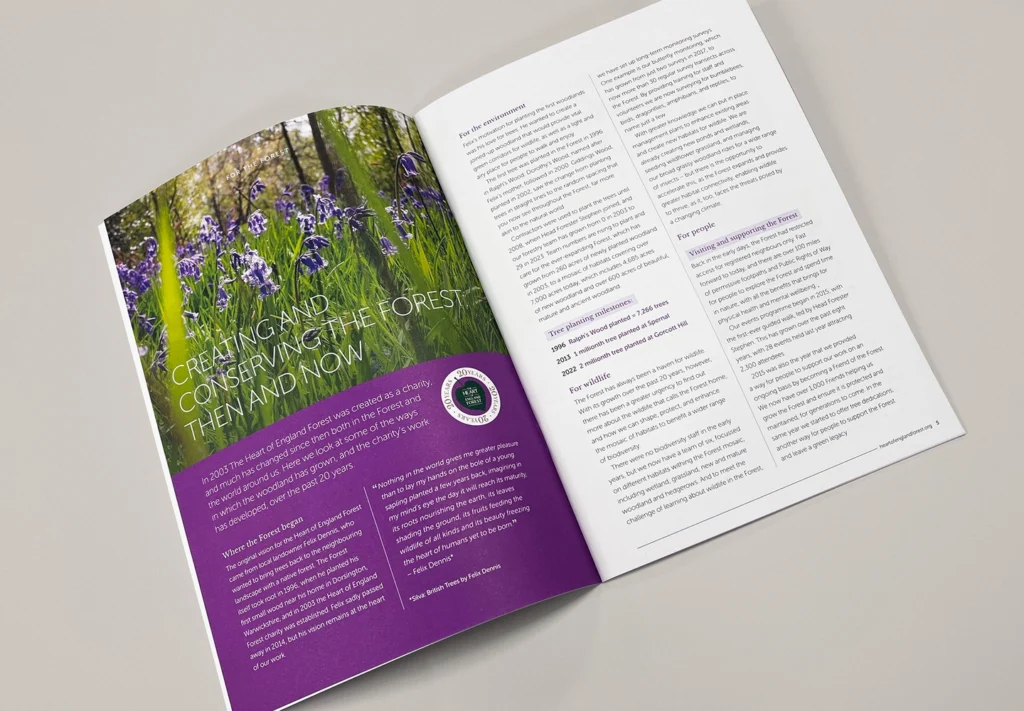
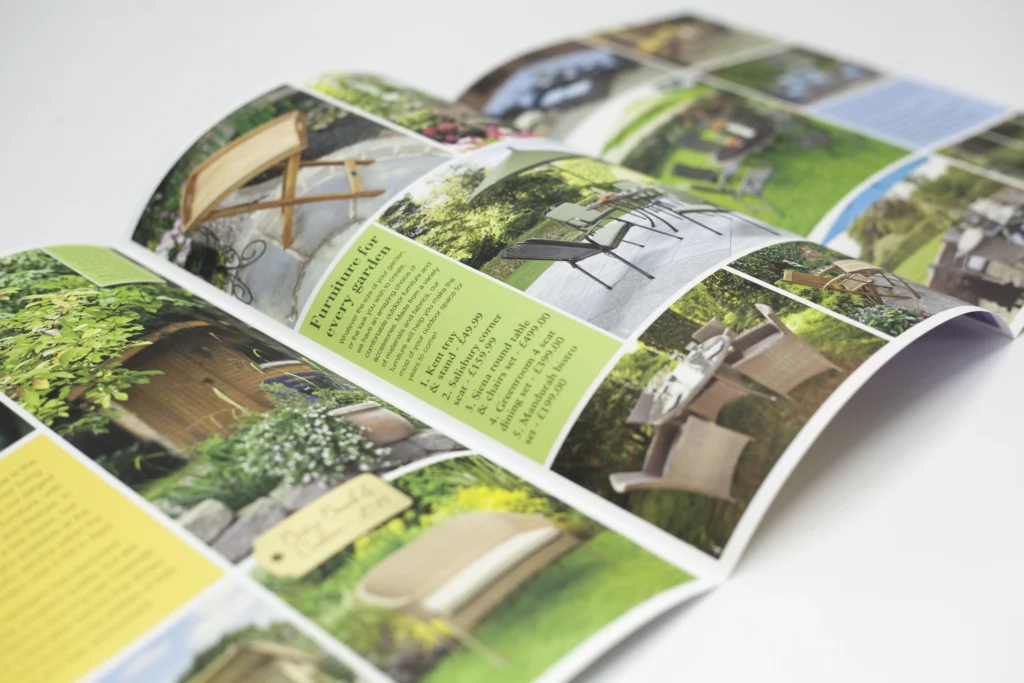
Building your audience is an ongoing process. Engage directly with your community on social media, encourage feedback, and experiment with limited editions to test new ideas. Offering custom products or printed greeting cards for special occasions lets you listen closely to your customers. Use email lists, in-person events, and even digital brochures to keep your audience informed and excited about upcoming designs. For more tips and inspiration on curating ranges that capture attention, check out Ashley House’s brochures that demonstrate how striking presentation and sustainable values work hand in hand.
Stay open to evolving as you grow to ensure that your greeting card business reflects both your authentic style and what your customers value most. By combining originality, thoughtful market research, and a passion for meaningful printed products, you’ll set your small business on the path to lasting success.
Finding profitable sub-niches in the UK market (Etsy, local, retail)
Not all greeting cards are created equal – finding a profitable sub-niche can set your business apart. Start by looking at gaps or trends in the market. For example, you might notice a demand for personalised cards (where customers can get names or messages custom-printed), or maybe there’s an audience for cards featuring regional slang and local humour in your area. On online marketplaces like Etsy, check what keywords shoppers search for – are people looking for “funny birthday cards” or “vegan-themed thank you cards”? If you have a particular art style or interest, lean into it: a quirky illustrated cat-themed card range or a series of cards with inspirational quotes for mental health could attract a loyal following.
Also consider where your cards will sell. Etsy niches might include fandom-inspired cards (books, movies, video games) or specific occasions (like “first day of school for teacher” cards) that big companies overlook. Locally, you could tap into community pride (neighbourhood or city-themed cards) or partner with nearby businesses (a coffee shop selling your coffee pun cards). The key is to identify audiences that are enthusiastic but under-served – if you can become “the go-to person” for that style or theme, your niche market can be very profitable. Do some test listings or craft fair trials to see what resonates most with customers, then focus your creative energy on that sweet spot where your passion meets customer demand.
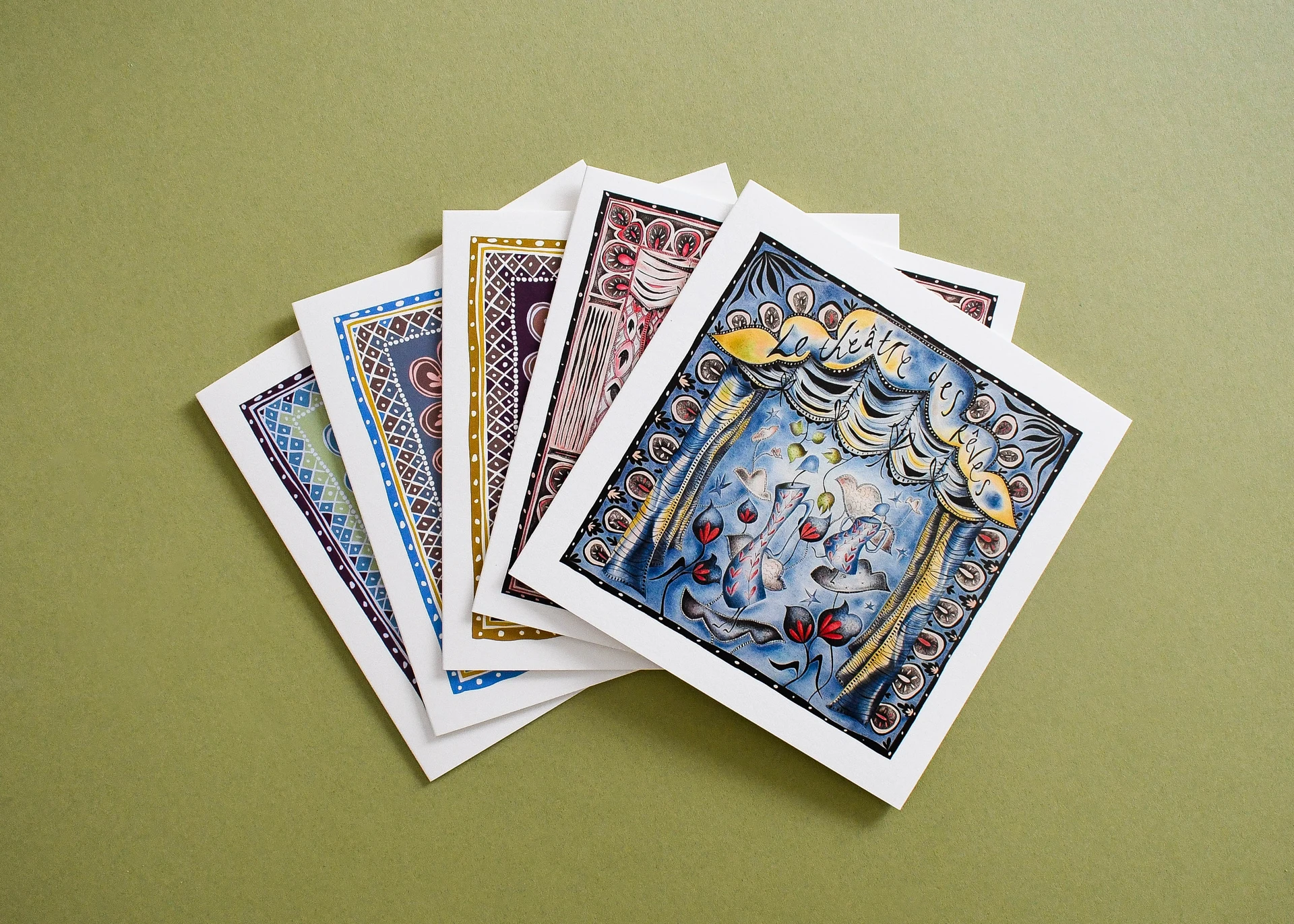
Designing greeting cards that sell
Standing out in the greeting card market means balancing originality, popular themes and consistent quality. Your designs need to feel distinctive, but they also need to connect with real buying occasions, such as birthdays, weddings, thank you cards, seasonal events and everyday messages.
Balancing originality, popular themes, and quality
Your designs need to balance originality, popular themes and consistent quality. In a creative market, originality is crucial; customers are drawn to card designs that feel fresh, authentic, and visually striking. It’s about infusing your own signature style into each card, whether that means playful illustrations, hand-lettered type, or eco-friendly finishing touches that reflect your company’s ethos. Yet, simply pursuing unique designs isn’t enough. It’s essential to understand which themes captivate the market and why those cards consistently sell, allowing your business to create greeting designs that have broad appeal without feeling generic.
Start by drawing on your own experiences and conducting thorough market research. Study the styles and themes that dominate both independent shops and large retailers – think milestone birthdays, seasonal motifs, heartfelt sentiments, and trending pop culture references. Layer your originality onto these popular themes. For example, if witty captions are selling in the current market, consider how your perspective can add a distinctive twist, making the cards unmistakably yours while still tapping into demand. A strong business blends attention-grabbing visuals with themes that customers already feel emotionally connected to, which not only boosts the likelihood of sales but also forges brand loyalty.
Quality forms the foundation of every successful greeting card – small business or established company. High-quality cards, those printed on premium, sustainable stock with crisp, vibrant designs, elevate your product and justify a higher price point, especially when selling through an online or boutique shop. Customers increasingly expect both outstanding design and responsible choices, meaning your card business needs to deliver products crafted from responsibly sourced paper and eco-friendly inks.
At Ashley House, we help designers and small businesses print greeting cards on quality stocks using responsible print methods, so the finished product supports both the design and the brand behind it. Every detail, from the tactile feel of your card to clarity of the print, signals the care and expertise behind your business, turning a simple greeting into a memorable experience.
Use design tools to test layouts, colours and formats, and always review printed samples before committing to a full run. Take feedback from early customers and adjust your card designs as needed – sometimes, a tiny tweak in theme or font can transform a good card into a bestseller. Consider offering custom products, where buyers can personalise designs for special occasions. This not only sets your cards apart but also gives invaluable insights into the market’s evolving tastes. Balancing originality, quality and relevant themes helps you build a range that sells consistently and supports long-term growth.
Current UK design trends in greeting cards
Staying current with design trends helps your cards appeal to today’s buyers. Here are some 2025 design trends in the UK greeting card scene:
- Bold & bright palettes: After years of minimalist tones, vibrant colours are making a comeback. High-contrast, energetic designs with electric blues, hot pinks, and sunny yellows are grabbing attention and “sparking joy”. Don’t be afraid to use punchy colours and abstract patterns that make your cards pop.
- Playful wordplay and puns: Witty cards never go out of style. Clever puns, humorous one-liners, and meme-inspired phrases are popular, especially for younger audiences. A good pun or cheeky saying can make your card an instant hit.
- Motivational messages: On the flip side of snarky humour, sincere and uplifting quotes are trending. Many people send “just because” cards with positive affirmations or supportive messages (e.g. “Proud of you”, “You’ve got this”) to cheer up friends. Designs featuring inspirational text in stylish typography are selling well.
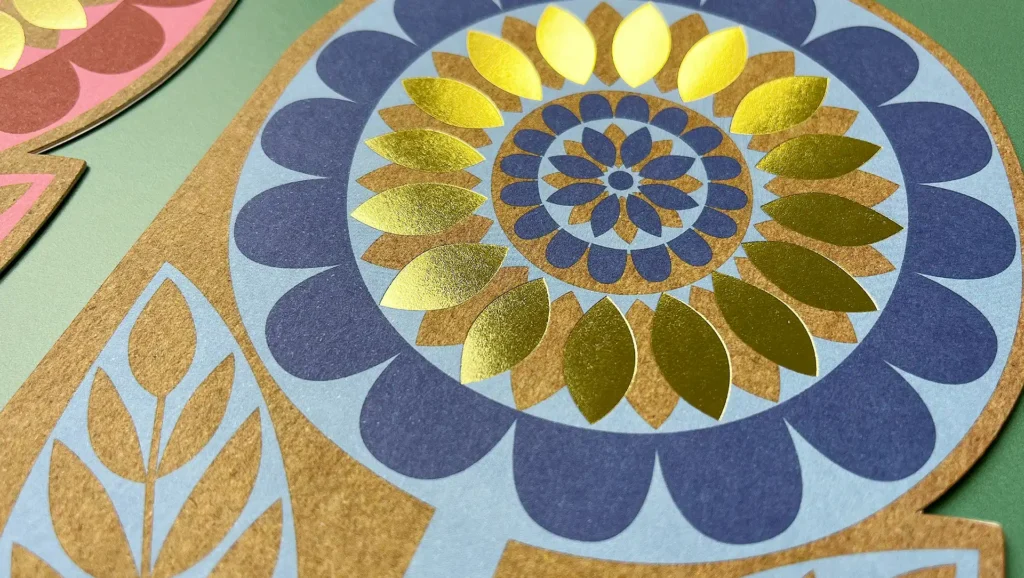
- Unique formats and shapes: Cards that literally think outside the box in shape and format are gaining ground. Die-cut cards in custom shapes (arches, animals, etc.) or non-standard sizes can captivate customers. Even small tweaks like rounded corners or square cards with colourful envelopes can set your product apart.
- Eco-friendly materials & looks: Sustainable design is not just about materials but the aesthetic too. Recycled kraft paper with a rustic look, or plantable seed paper that grows wildflowers, are highly appealing to eco-conscious consumers. Showing the natural texture of paper or using earthy, muted colours can emphasise an eco-friendly vibe.
Of course, classic themes (like cute animals, florals, and minimalist watercolours) remain evergreen. But mixing these current trends into your line can keep your brand feeling fresh and relevant each year.
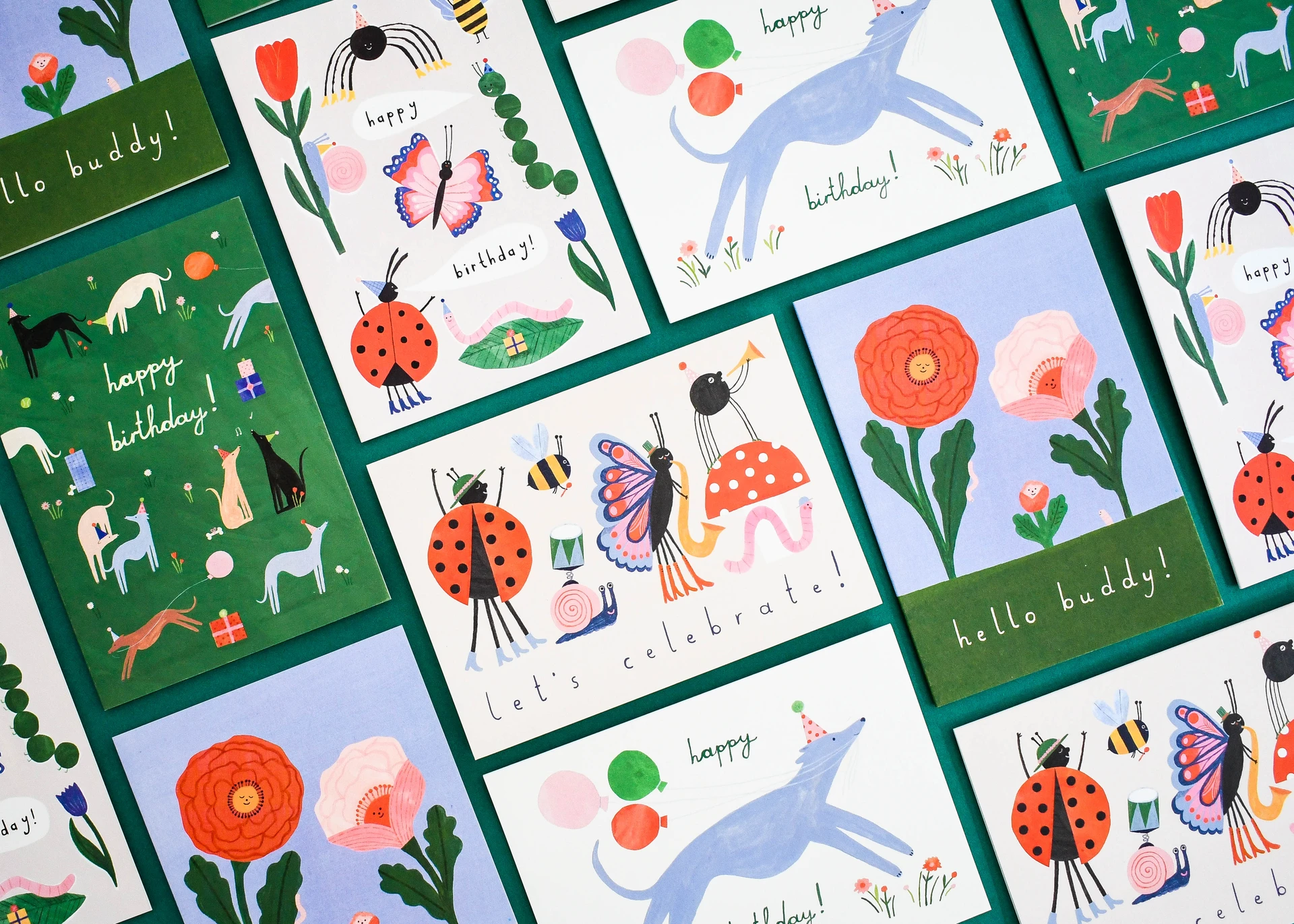
Sustainable materials and printing
Sustainability should be built into your production choices, not added as an afterthought. Once you have decided how your cards should look and feel, review the environmental impact of the paper, ink, packaging and print process.
Look for recycled, FSC-certified or responsibly sourced paper stocks, recyclable envelopes and packaging that avoids unnecessary plastic. Digital printing can also be a sensible option for shorter runs because it allows you to print closer to demand and reduce the risk of wasted stock.
Be clear and accurate when communicating eco credentials. If your cards use recycled paper, FSC-certified stock, plastic-free packaging or lower-waste production, say so plainly on your website, product listings or packaging. Customers value transparency, but vague claims can weaken trust.
Working with a print partner that understands sustainable production can make this easier. Ashley House can advise on suitable paper stocks, responsible print options and practical ways to create a more eco-conscious card range without losing the quality expected by customers and stockists.
Standards such as FSC-certified paper help ensure materials are responsibly sourced, while organisations like FSC and UK sustainability body WRAP provide guidance on responsible production and packaging. Referencing recognised standards like these can strengthen both your brand credibility and customer trust.
Eco-friendly packaging and presentation ideas that enhance perceived value
How you package and present your greeting cards can enhance their perceived value while staying true to your eco-friendly mission. Here are a few ideas:
- Use sustainable packaging materials: Choose recycled or FSC-certified paper sleeves and envelopes instead of plastic cello bags. Some card makers use compostable clear sleeves; others forego sleeves and hold sets together with a recycled paper belly band or twine.
- Keep it minimal but thoughtful: Customers appreciate packaging that protects the card without excess waste. A simple branded sticker or a small insert can add a special touch without over-packaging. For example, a brief note about your card’s eco-friendly materials or a thank-you message can personalise the experience.
- Tell your brand story: Consider attaching a tiny tag or printing on the back of the card about your sustainable ethos (e.g. “Printed on 100% recycled cardstock with water-based inks”). This not only informs the buyer but also underlines the value of your product.
- Display-ready presentation: If you’re selling in shops or at markets, ensure your packaging shows off the card while keeping it clean. Many creators use paper or biodegradable acetate sleeves with a small label. Make sure each packaged card has your logo and contact info on it somewhere – it looks professional and helps new customers find you again.
Eco-friendly packaging can be a selling point on its own, so let shoppers know that your presentation is plastic-free and planet-conscious. Done right, your packaging will enhance your cards (by looking boutique and branded) rather than detract – all while aligning with your values of sustainability.
Building your greeting card business brand identity
A strong brand identity helps your greeting card business stand out and makes your range easier to recognise. It should be reflected in your design style, tone of voice, materials, packaging, photography and online presentation. Consistency builds trust, whether you sell through Etsy, your own website, local shops or wholesale stockists. Your brand identity should reflect the vision and values of your company, shape how your products are perceived, and create a cohesive experience across every card, print, and online presentation. A carefully crafted card range, consistent design style, and professional presentation not only express your unique voice but also help you build trust, whether selling through an online or local shop. Let’s dive into practical strategies for establishing a brand identity that ensures your card business flourishes from the very first printed card.
Creating a cohesive card range and professional presentation
When you’re starting or growing a greeting card business, nothing communicates your professionalism and creativity better than a cohesive card range paired with impeccable presentation. Your brand identity isn’t just a logo, it’s expressed in the style, tone, and themes running throughout your designs, products, and customer interactions. Building a card range that feels unified, yet flexible enough to appeal to different buyers, provides the recognisability your business needs to establish a strong reputation, both online and in shops.
Begin by reflecting on your brand’s values and what you want each printed greeting to say about your company. Are your designs minimalist and modern, playful and bold, or focused on sustainable, nature-inspired elements? Consistency across your card range is key to building a recognisable card business. Develop signature elements, like distinctive hand lettering, illustrations, or eco-conscious packaging, that tie your products together. This attention to detail reassures customers they’re buying from a thoughtful, professional company, whether they encounter your cards through your online shop or at a local retailer.
When planning your card range, focus on a manageable selection of products that demonstrate both variety and coherence. A strong card business often launches with around 10-20 core designs, covering popular occasions like birthdays, thank you cards, and seasonal greetings, but all united by a clear brand style. If you offer custom products or limited-edition print runs, make sure these too feel like part of the same story. As your business grows, expand your range thoughtfully, layering new ideas and trends without diluting your brand’s visual identity. Using sustainable print practices not only enhances the environmental appeal of your products, but also aligns with customer expectations and with Ashley House’s eco credentials, a persuasive selling point for today’s buyers.
Presentation is equally important. High-quality printed cards deserve packaging and merchandising that highlights their value. Use recycled or FSC-certified materials for card sleeves, invest in smart labelling that tells your brand’s story, and showcase your range with well-curated displays in shops or online. High-resolution photography and detailed product descriptions help your business sell confidently in digital marketplaces. Pay special attention to how your products appear in groups and individually – consistency here builds trust, helps secure wholesale orders, and makes your cards ideal for gift bundles or custom sets.
Your greeting card business will gain more referrals and repeat customers when your complete offering feels professionally unified and easy to shop. Invite feedback from early buyers and listen to what resonates through both your printed cards and digital channels – small tweaks based on real-world insights often strengthen your business and range. Keep your design, materials and presentation consistent across the range. Ashley House is here to help you create, print, and present greeting cards with a professional finish and an authentic, memorable brand identity.
Why partner with a professional printing company
Even if you are starting small, a professional print house can help you achieve a level of consistency that is difficult to match with home equipment. You can get advice on stock, colour, folds, finishes and artwork setup, then scale from small test runs to larger batches as demand grows.
Using a UK print partner such as Ashley House also gives you more control over communication, turnaround and quality checking. For card designers, that means less time dealing with production issues and more time developing the range, improving listings and selling.
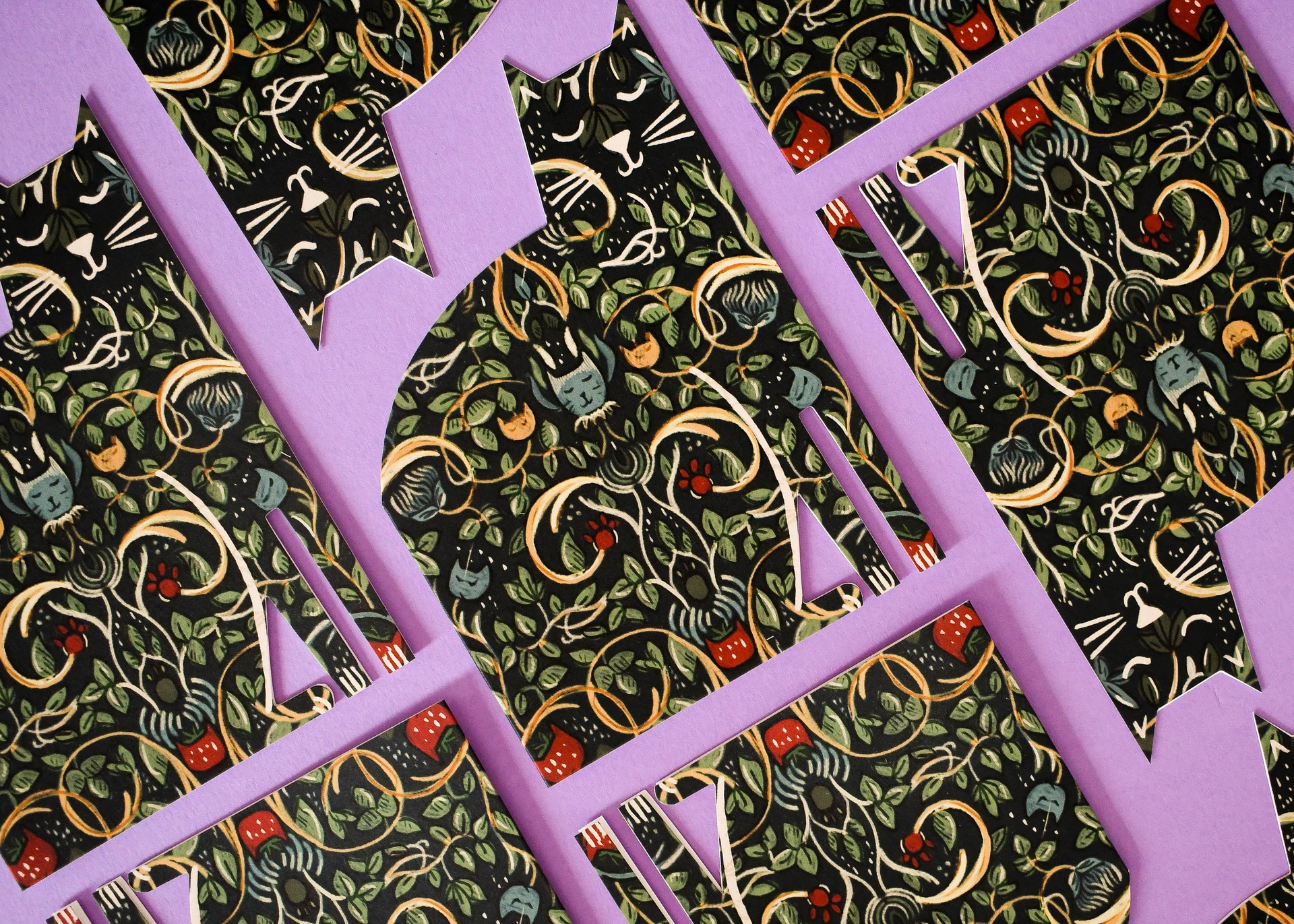
Launching your greeting card business with an online store
Creating an online store is one of the most impactful ways to launch your greeting card business and reach a national audience from day one. Digital platforms level the playing field for creatives, allowing you to showcase your cards, connect directly with buyers, and sell custom products without the overhead of a physical shop. With thoughtful planning, expertly presented products, and the right promotional strategies, you can position your new card business for growth. This stage is all about bringing your unique greeting card designs to market, curating a digital shop that reflects your brand, and building momentum with effective launch and promotion tactics tailored for the online world.
Practical steps to launch and promote your business digitally
When it comes to launching your greeting card business, establishing a dedicated online shop offers the control and flexibility essential for today’s small business owners. To get started, clarify your business plan, focusing on how your company will stand out in the crowded greeting card market. If you’ve already defined your brand identity and card range, it’s time to choose an ecommerce platform that aligns with your needs. Consider websites like Shopify, WooCommerce and marketplaces like Etsy – these allow you to get your digital shop up and running swiftly, each supporting sales of printed greeting cards and custom products to customers across the UK and beyond.
Next, present your greeting cards and products professionally, reflecting the high standards and eco-friendly values that define your business. Invest in crisp photography that showcases your card business’s finest details. Create engaging product descriptions with natural use of keywords like “custom products,” “greeting card business,” and “printed cards”. Don’t forget to highlight your sustainable print choices – a growing number of buyers specifically seek out companies dedicated to responsible production, like Ashley House. This not only boosts your online store’s appeal but strengthens your company’s position in a competitive market.
With your site live, build a promotion plan that leverages the reach of digital channels. Use social media platforms such as Instagram, Facebook, and Pinterest to promote your greeting card business, focusing on authentic content that celebrates your cards’ unique features and your eco-friendly approach. Harness hashtags, behind-the-scenes videos, and process stories that show the journey from design to print. Encourage buyers to share their purchases online, creating organic buzz around your shop and products.
An effective checklist for selling greeting cards online includes optimising your website with keywords like “greeting,” “card business,” “online store,” and “selling.” Make your products discoverable through clear navigation and search-friendly listings. Don’t skimp on testimonials and reviews – these build trust and demonstrate the real-world appeal of your offer. Consider a simple launch promotion such as a free shipping code, a discount on first orders, or limited-edition printed cards exclusive to your online shop. Email marketing is also powerful: if possible, collect opt-ins from your site and use well-timed updates about new products, seasonal launches, and special offers to keep customers returning to your shop.
Partnering with a trusted print company like Ashley House can streamline handling orders, especially for custom products and smaller runs. Efficient print and fulfilment processes mean you can focus on growing your business, testing fresh ideas, and expanding your range with confidence. By leaning into professional standards, flexible presentation, and responsible production, your greeting card business is well positioned to launch, create lasting connections, and grow sustainably in the digital market.
Selling successfully on Etsy: setup, SEO, and fulfilment tips
Selling on Etsy can be a game-changer for a card business – after all, Etsy had about 95 million active buyers in 2024 browsing for creative products. To make your shop successful, keep these tips in mind:
- Set up a strong Etsy storefront: Treat your Etsy shop like a real-life shop. Use a clear shop name (preferably one matching your brand), a logo, and a banner image that shows off your card style or range of products. Fill out your shop’s “About” section and “Policies” (shipping, returns) so customers feel comfortable buying from you.
- Optimise your listings with keywords: Etsy is a search-driven platform. Use all 13 tag slots with relevant keywords (think occasion, style, recipient). For example, a funny birthday card could have tags like “funny birthday card,” “humour card for him,” “rude birthday card.” Put the most important keywords in your product titles and the beginning of descriptions as well – this helps your cards appear in search results.
- Use professional photography: Good photography is essential online. Provide multiple photos for each card design – include a straight-on shot, a close-up of any special details or textures, an image of the card with its envelope, and perhaps a lifestyle shot (e.g., someone holding the card or it displayed on a desk). Etsy shoppers zoom in on images, so ensure they are high resolution and well-lit to show true colours.
- Provide great customer service and fulfilment: Ship orders on time (earlier if possible) and securely. Many card sellers use hard-backed envelopes to prevent bending. Using recyclable mailers is a plus that aligns with your eco brand. Make sure to mark orders as dispatched on Etsy and add tracking if available. Quick, kind responses to customer questions and problems will earn you positive reviews, which in turn lead to more sales.
- Leverage Etsy-specific tools: Consider using Etsy Ads on key listings to boost visibility when you’re new. Encourage buyers to leave a review (maybe with a little thank-you note in the package). Also, take advantage of seasonal trends by updating your tags and adding new designs ahead of major holidays – Etsy’s search traffic for terms like “Mother’s Day card” or “Christmas card” skyrockets before those seasons.
Etsy continues to be one of the largest platforms for independent card sellers, with tens of millions of active buyers globally. Ongoing trend reports from Etsy highlight continued demand for personalised, handmade and small-batch products, making it a strong starting point for new greeting card brands.
It does come with fees, but its huge built-in audience of card lovers can be well worth it. By keeping your shop well-organised, SEO-optimised, and customer-friendly, you increase the chances that your greeting cards will be found and cherished by buyers across the UK (and beyond!).
Managing short run orders and custom products for your card business
Navigating short run orders and custom products is crucial for a thriving greeting card business, especially during the early stages or when testing new designs in a competitive market. Creatives and small business owners often face the challenge of balancing flexibility, quality, and sustainability while scaling up their card shop offerings. Mastering the art of handling small batch orders and custom requests allows your card business to meet unique customer needs, minimise waste, and adapt swiftly to trends. Partnering with print experts who combine technical skill and eco-conscious practices empowers you to deliver premium products, grow your brand, and deliver a consistent product with each order.
Partnering with the right print experts for flexibility and scale
Choosing the right print experts can make or break your greeting card business’s ability to handle short run orders and custom products. For card designers partnering with a print company that truly understands the landscape of greeting card business means more than just sending files and hoping for the best. It’s about collaborating with specialists who appreciate the craft behind each card, value flexibility for small orders, and have the systems in place to scale your business as demand grows. Ashley House supports this practical approach, enabling you to start with limited runs, test your designs, and build a smart path to growth without compromising on sustainability or quality.
Short run printing is ideal for businesses just starting out or those exploring new card ranges. By working with print experts who excel at low minimums, your card business isn’t locked into large, risky investments before testing your products in the market. This flexibility creates room for creative experimentation, allowing you to assess customer reactions to different greeting cards, materials, and designs. It also permits on-demand printing for custom products, a growing trend that bolsters customer loyalty as buyers are keen to send personalised greetings or limited editions. Print specialists with efficient systems ensure each order, no matter how small, receives the same attention to detail as bulk runs, resulting in high-quality cards your customers cherish.
The ability to scale without forfeiting this flexibility is just as vital. As your card business grows, larger orders and expanded product ranges will come into play. An experienced print partner like Ashley House can support your transition from hands-on, small batch production to more substantial print runs. Their commercial-grade equipment handles increasing volumes with consistent quality, while eco-friendly practices ensure every printed greeting aligns with your sustainability values. Because they’re well-versed in the unique needs of creative small businesses, you can confidently plan for growth, knowing your partner can keep up with spikes in demand, seasonal surges, and ambitious product launches.
Print experts should also serve as advisors, helping you optimise your business operations. Guidance on best-fit print techniques, design tweaks for digital or offset printing, and suggestions for sustainable materials means your card business always puts its best foot forward. If your shop offers custom orders, their workflow must allow for personalisation at scale, supporting everything from individual names and bespoke artwork to different finishes tailored for your customers. Working with a relationship-oriented print company streamlines your orders, reduces costly errors, and allows you to focus on the creative and commercial side of your card business.
Working with Ashley House for printed greeting cards, custom products and short runs gives you practical print support as your range develops. You can test designs, improve presentation and scale production while keeping quality, communication and sustainability front of mind. Our approach to flexibility and scale is grounded in sustainable solutions and practical experience helping creative brands grow in the UK greeting card market.

Expanding your greeting card business to retail and local stockists
Once you’ve established your card business online and refined your printed greeting card products, the next big leap is expanding into retail and local stockists. Breaking into shops, pop-up events, and direct retail opens fresh opportunities to scale your greeting card business, increase brand exposure, and connect with buyers searching for distinctive, sustainably made cards. Beyond reaching new markets, working with local retailers or attending events provides valuable sales insights, real-world feedback, and deeper relationships within your community. Below, discover actionable tips for selling greeting cards through wholesale, pop-up events, and retail shops that will empower your business to grow confidently and sustainably – all while staying true to your eco-minded ethos.
Tips for wholesale, pop-up events, and direct retail opportunities
Expanding your greeting card business into retail stores, local stockists and pop-up events is a natural next step once your online sales are consistent. Start with research and relationship building. Identify local shops whose products and values align with your own, particularly those interested in sustainable, locally produced cards. Pop in with a selection of your best printed greeting cards and a concise, professionally prepared catalogue. Retailers want to see quality, consistency and commitment, so make sure your cards, packaging and supporting materials reinforce the professionalism of your business.
Wholesale is often the preferred route for getting cards into independent shops or gift retailers. Develop straightforward wholesale terms: clear minimum order quantities, trade pricing that leaves room for the retailer’s markup, and swift turnaround times. Retailers value reliable partners, so communicate how you can deliver new stock or bespoke products on demand. If your company offers eco-friendly cards, use this as a key selling point – many shops now prioritise sustainably printed greeting cards to meet customer demand. Prepare linesheets or a digital wholesale brochure highlighting your top ranges, and if working with a local stockist, adapt your collection to suit their audience, perhaps offering exclusive designs that reflect local culture or events.
Pop-up events, makers’ markets, and local fairs provide great opportunities to connect face-to-face with customers and stockists alike. These events let your business gather feedback, test new products, and build relationships that might lead to recurring sales or stocking opportunities. Invest in attractive, sustainable displays and ensure your branding is visible, from recycled business cards to branded packaging. Share your unique story – what drove you to start your greeting card business, how your cards are produced locally, and your commitment to ethical, eco-conscious production. This narrative resonates with shoppers and makes your business and products memorable.
Direct retail might mean opening your own shop or taking part in collective retail spaces. If considering a bricks-and-mortar presence, develop a detailed business plan outlining footfall estimate, local competition, and how your card business will stand out. Use your shop to offer a wider range of products or exclusive printed greeting collections not available elsewhere. Partnering with complementary local brands for joint events or bundled products helps drive in-store traffic and creates networking avenues. With each opportunity – be it wholesale, events, or retail – stay flexible and ready to adapt; learn from each experience to refine your ranges, pricing, and merchandising for future success.
Crucially, always track orders, gather customer feedback, and stay in regular contact with your stockists. Build relationships by checking in, offering early previews of new collections, and responding promptly to orders or queries. This level of service sets your greeting card business apart and encourages shops to prioritise your products. Most importantly, never lose sight of your sustainable values. Use recycled, FSC-certified paper, minimise packaging, and promote your eco credentials in every shop display, conversation, or event – this transparency reinforces the responsible, community-focused ethos that defines Ashley House and appeals to conscious buyers and retailers alike. By weaving these tips into your expansion strategy, your greeting card business can achieve long-term retail success, balancing commercial goals with creativity and care for the planet.
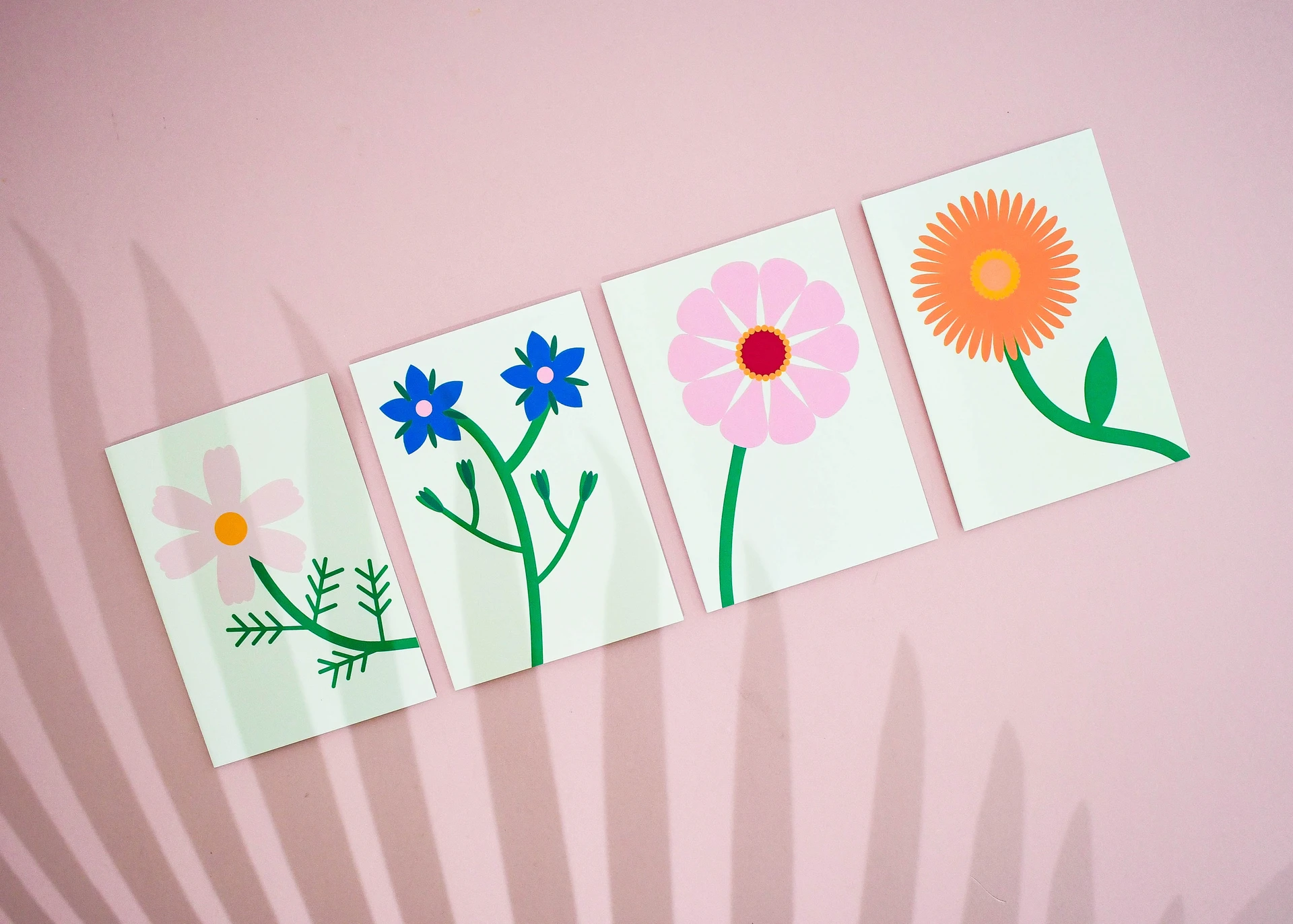
Top marketing channels for greeting card brands
With your online shop up and running, it’s time to spread the word. Here are some of the top marketing channels greeting card designers use to grow their brand:
- Social media marketing: Visual platforms like Instagram and Pinterest are ideal for showcasing your card designs. Post beautifully staged photos of your cards, behind-the-scenes peeks of your creative process, and customer snapshots. Use relevant hashtags (e.g., #handmadecards, #etsyshop, #cardmaker) to reach card enthusiasts. Engage with followers by running giveaways or polls (“Help me choose my next card design!”). Facebook can also be useful, especially via local community groups or a dedicated business page.
- Email newsletters: As you gather customers (through Etsy or your own site), encourage them to join an email list for updates. Email marketing lets you reach out directly when you launch new card collections, run a sale, or have a holiday coming up. Keep emails short, friendly, and image-rich to grab attention. Even a small loyal email list can drive repeat sales during peak seasons.
- Content and collaboration: Think about starting a simple blog or attending live events to build your presence. A blog on your website (or even just engaging posts on social media) can cover topics like “Top 5 tips for writing the perfect card message” or show how you design and print sustainably – this positions you as an expert and improves SEO. Collaborations can expand your reach too: maybe partner with a local gift shop on a pop-up event, or team up with a small influencer (like a popular stationery blogger) who can feature your cards.
- Local and wholesale channels: Don’t forget offline opportunities. Marketing channels include craft fairs, farmers’ markets, and stationery trade shows – these let you meet customers face-to-face and often lead to word-of-mouth referrals. Likewise, getting your cards into a local boutique or gift shop isn’t just a sales avenue, it’s marketing – your products on a shelf introduce your brand to new people. Have business cards or small flyers on hand whenever you sell in person, so admirers can follow your online and become long-term fans.
Every channel you try is a chance to learn where your audience hangs out. Over time, focus on the marketing channels that bring the best response – maybe you get a lot of traction on Instagram but not much from X, or your email newsletter drives more sales than your Facebook page. By honing the right mix, you can steadily build an enthusiastic community around your greeting cards.
Essential resources, checklists, and common mistakes to avoid
Getting your greeting card business off the ground is exciting, but it’s also much smoother with the right resources and a clear checklist to steer your progress. Whether you’re aiming to launch a new shop on Etsy, stock local retailers, or simply move from kitchen table crafting to a robust online store, the essentials below will give your company a confident start and help you build a resilient, eco-minded card brand.
- Write a simple business plan: Clarify your mission and goals. Decide who your target customers are, what types of cards you’ll create (birthday, thank you, holiday, etc.), and what makes your designs or values unique. This doesn’t need to be formal, but putting your ideas on paper will guide your decisions.
- Handle the legal basics: Register your business (in the UK, many start as a sole trader with HMRC, which is straightforward). If you choose a distinct brand name, check that it’s available to use. Set up a separate bank account for your business to keep finances clear. It’s also wise to look into business insurance, especially if you’ll sell at markets or pop-ups.
- Source sustainable materials and suppliers: Research and list out where you’ll get your card blanks or cardstock, envelopes, and packaging. Aim for recycled or FSC-certified paper stock and eco-friendly inks. Create a shortlist of printing options – for instance, compare a local print studio to an online service. Partnering with a printer that specialises in sustainable greeting card printing (like Ashley House) can streamline this step, since they can supply high-quality prints on eco-conscious materials.
- Develop your product range wisely: Plan out an initial collection of designs (perhaps 10-20 cards to start). Ensure you cover a few core occasions (birthdays are a must) but also reflect your niche (e.g., all your cards might share a botanical theme or a cheeky humour style). Decide on your pricing strategy by calculating all costs per card and setting a reasonable profit margin.
- Prepare your sales channels: Set up your online presence – this could be an Etsy shop, your own website, or both. Take clear, attractive photos of each card design. Write product descriptions that highlight the features (size, paper type, blank inside or with message) and the fact that they’re made sustainably. If you plan to sell in person, gather or design any display props you’ll need (like a nice card rack, signage, and packaging for customers to carry their purchases).
- Plan for fulfilment and storage: Create a system for storing your card inventory in a clean, dry area. Stock up on mailing supplies – rigid mailers, envelopes, stamps or postal account – so you’re ready when orders come in. Establish routine processes, like checking Etsy or email daily for new orders, and set aside time to package and send them promptly (quick shipping leads to happy reviews).
- Get wholesale-ready (if expanding to retail): Even at startup, it’s good to have a one-page wholesale terms sheet in case a shop approaches you. Determine your wholesale pricing (often 50% of retail), minimum order quantities, and how a retailer can reorder. Have a PDF catalogue or even just a line sheet with photos and prices of your designs to email to interested stockists. Being prepared can make a small business look very professional to store owners.
By checking off these items, you’ll build a strong foundation for your greeting card business. Each step ensures you’re not only creative but also organised and prepared for growth.
Common mistakes to avoid when starting a card business
- Skipping market research: A common pitfall is diving into designing cards without understanding the market. Avoid making hundreds of cards that nobody asked for. Spend time looking at what sells – both online and in shops – so you create products people actually want to buy.
- Not defining a niche: Trying to appeal to everyone often means you appeal to no one. It’s a mistake to make a random assortment of designs (a few kids’ cards, some wedding cards, some edgy humour) with no coherence. Successful brands usually have a signature style or theme; customers won’t remember you if your range is all over the place.
- Underpricing your cards: New sellers sometimes set prices too low out of fear no one will buy. But low prices can signal low quality, and you may not even cover your costs. Calculate your expenses (materials, printing, fees, your time) and price with a sustainable margin. Don’t race to the bottom – compete on uniqueness and quality, not just price.
- Ordering too much inventory upfront: It’s exciting to see your designs in print but be cautious about printing hundreds of each card before you’ve tested the market. You could end up with boxes of unsold stock. It’s wiser (and less costly) to do small trial runs or use on-demand printing initially. You can always scale up production for designs that prove popular.
- Neglecting marketing and presentation: “If I list it, they will come” – this rarely works. A mistake is assuming your job is done once the cards are made. In reality, successful small business owners spend significant time on photography, shop appearance, promotions, and customer engagement. Likewise, don’t skimp on packaging quality – a beautiful card in a crumpled envelope won’t wow anyone.
- Taking on too much too fast: Finally, be careful not to burn out by trying to offer every type of card or be active on every social platform at once. It’s a mistake to spread yourself too thin. Start with a manageable scope (a focused product line, one or two sales channels) and excel at that. You can expand your designs and presence as you gain experience and learn what works best.
Frequently Asked Questions
-
It’s possible to start very small – some creators begin with under £100 in supplies, especially if using print-on-demand to avoid big inventory costs. In practice, budgeting a few hundred pounds will help cover initial printing of samples or stock, packaging, and online shop fees.
Remember to account for materials (paper, ink, envelopes), shipping supplies, and any design software or equipment you need. You can always reinvest your early sales into growing your inventory.
-
Yes, greeting cards can be profitable, but it requires finding the right market and managing costs carefully. The UK greeting card industry is large, and customers continue to buy cards across a wide range of occasions. Your profit margin per card can be healthy if you price properly.
-
You don’t need a specific licence to sell greeting cards in the UK – anyone can create and sell cards. However, you should register your business (even as a sole trader) so you can report income for taxes. No formal qualifications are required, but solid design skills and understanding of printing techniques definitely help.
If you operate under a business name, check that the name isn’t trademarked by someone else. Additionally, if you sell at craft fairs or public events, some venues might require you to carry Public Liability Insurance – it’s something to consider as you grow.
-
Birthday cards are the single biggest category – in fact, more than half of all cards sold are birthday cards, so you’ll likely always have those in your range. Beyond that, the “best sellers” can vary by trend and season.
Generally, cards that either tug at heartstrings or make people laugh do well. Right now, humorous cards (especially with contemporary pop culture references or memes) are very popular, as are cards with beautiful handmade artwork.
Personalised cards (where the buyer’s input like a name or custom message is printed) also tend to sell at a premium. The key is to observe what sells in your shop and be ready to design more along those lines.
-
Research is your friend here. Look for printers who specialise in card printing and check their reviews or ask for sample prints. Since quality and eco-friendliness are important, you might prioritise a printer who offers recycled card stock and non-toxic inks.
Many UK card designers work with local printing companies – this can make communication easier and turnaround faster. For example, at Ashley House we print eco-friendly greeting cards (using FSC-certified paper and vegetable-based inks). Whichever printer you choose, start with a small batch to make sure you’re happy with the result before scaling up your orders.