How Are Magazines Printed? A Complete Magazine Printing Guide
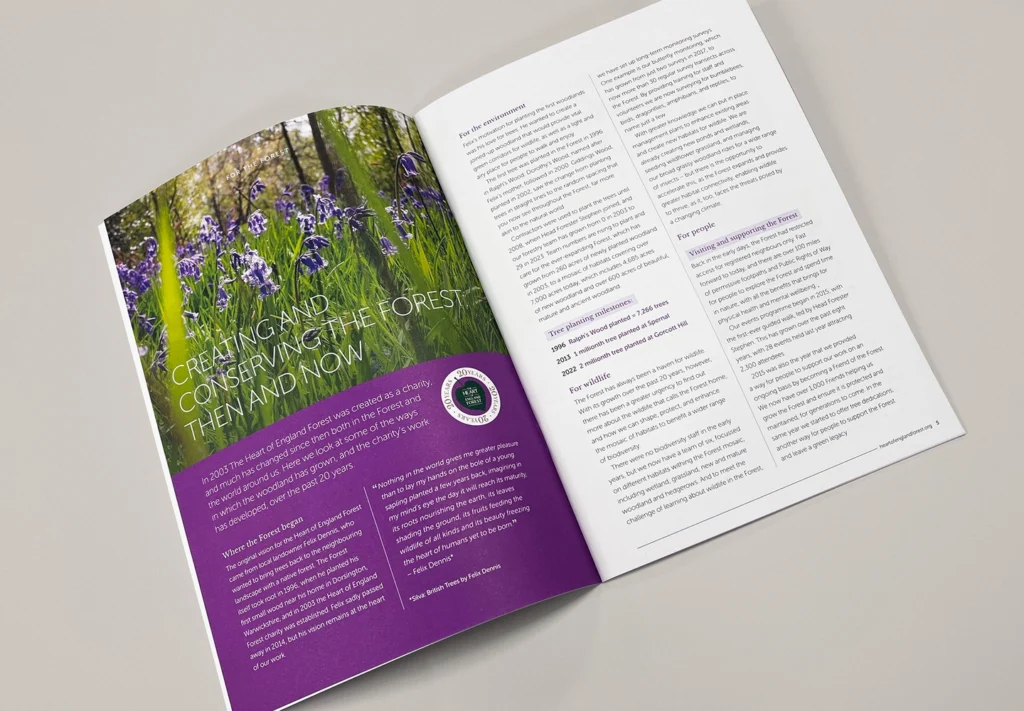
Most magazines are printed using one of two commercial processes, digital or lithographic, then folded, bound and finished into the copy you hold. Which process makes sense depends mostly on how many you are printing.
If you are about to commission a magazine, understanding how it is made helps you make better decisions about quality, cost and turnaround, and ask a printer the right questions.
This guide explains how it is done, the presses involved, the paper magazines are printed on, and how the pages become a bound publication. We have written it from the floor of a working magazine printing company, so it reflects how the job actually runs from over forty years of experience.
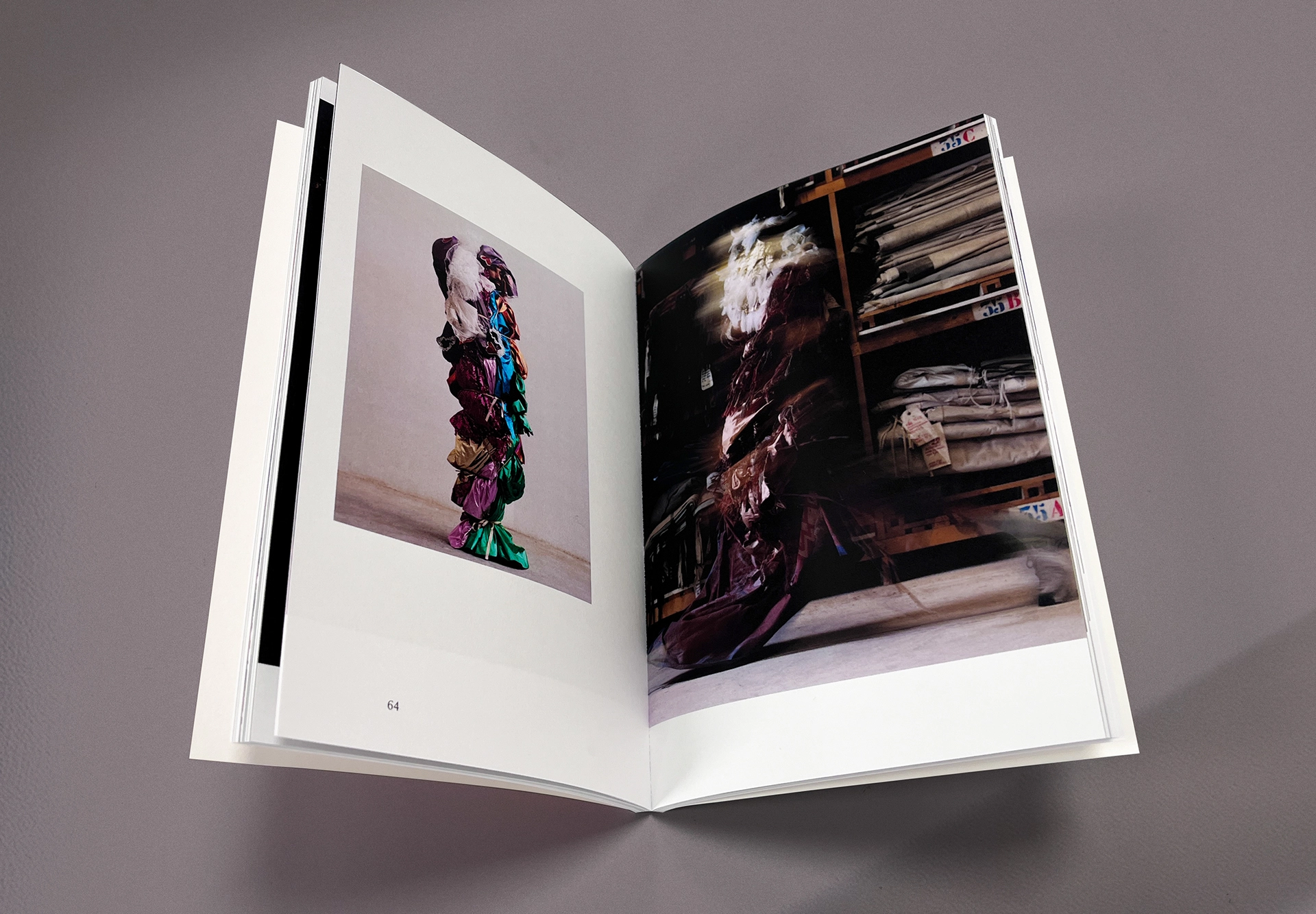
The two ways magazines are printed: digital and litho
There are two methods we are likely to use, and the right one is usually decided by the quantity of your print run.
For short runs, from a single copy up to around 500 copies, digital printing is normally the more economical choice. We use an HP Indigo 7900 for this. There are no printing plates to make, so your artwork goes straight from file to press, which keeps setup low and turnaround quick. It gives lithographic-quality results, and it is the practical option for a single magazine, a proof or a small batch.
For longer runs, lithographic printing becomes more economical. We run Heidelberg presses for litho work. Lithographic printing involves a higher initial setup cost because each project requires the creation and making ready of the printing plates. However, once the print run reaches a certain volume, these setup costs are spread across a larger number of copies. As a result, the cost per copy falls significantly, making lithographic printing more cost-effective than digital printing for medium to high-volume runs.
There is usually a crossover point where litho overtakes digital on price, and it moves with the specification. As a rough guide, the more you print, the cheaper each copy becomes on litho, and the more digital makes sense for shorter print runs. Because we run both presses, we advise on which route suits your quantity rather than pushing you toward one.
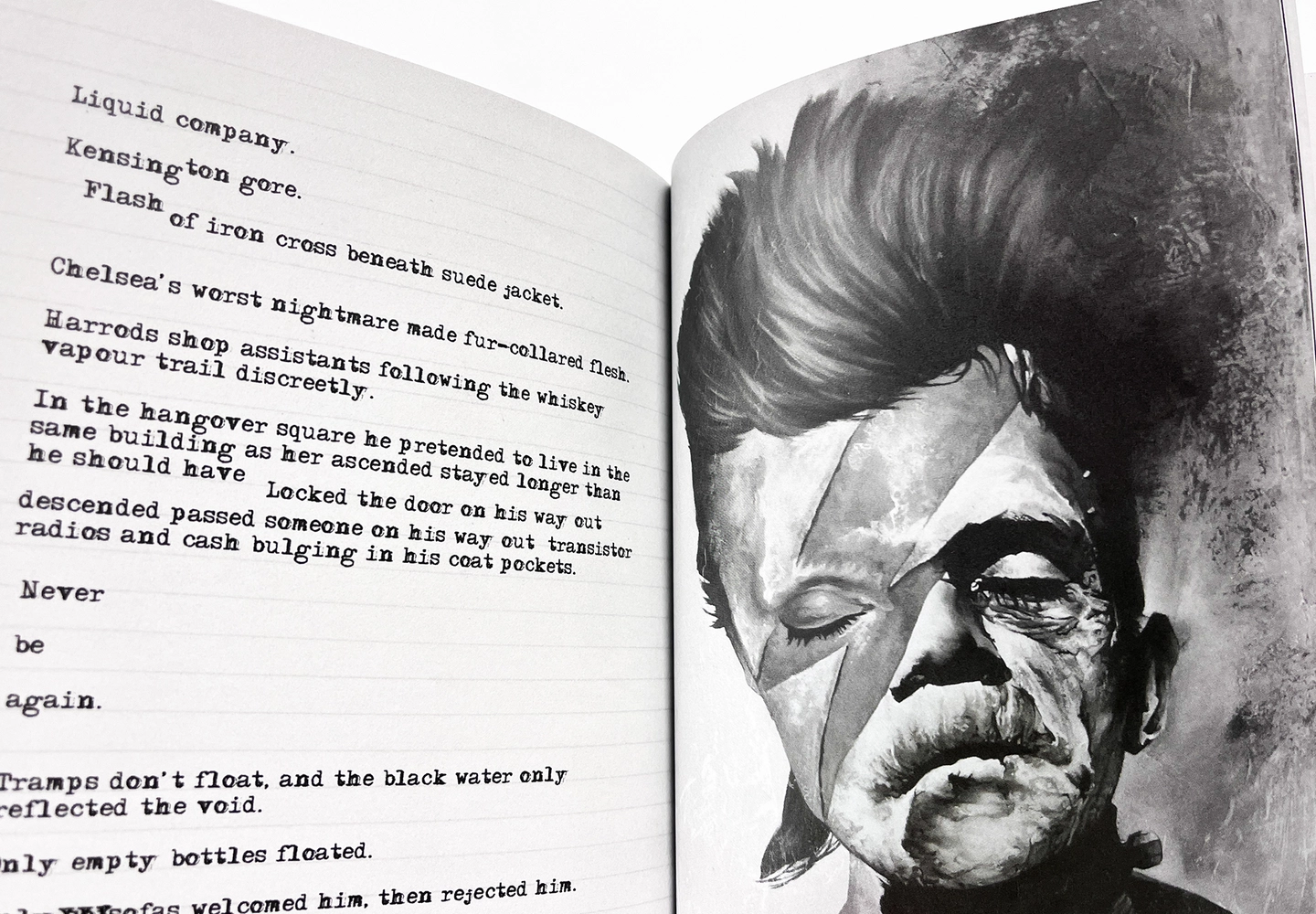
How lithographic printing actually works
Lithographic printing, also called offset printing, is the process behind most high-volume magazines, and it is worth understanding because it explains the quality.
The artwork is separated into four colours, cyan, magenta, yellow and black (CMYK), and a plate is made for each colour split. The plates carry the image of the page, but they never touch the paper directly. Instead, each plate transfers its ink onto a rubber blanket cylinder, and the blanket then prints onto the paper passing beneath it over the impression cylinder.
That indirect, or offset, transfer is what gives litho its clean, consistent result. The four colours are laid down one after another on the sheet of paper, building the full-colour page as the paper passes through the press being transferred via a set of transfer grippers from the feeder to the delivery.
On a long magazine run, the inside pages are printed on large sheets of paper, then cut and folded into sections. The cover is run separately on a heavier stock and is often printed separately on another sheet-fed press that handles one sheet at a time.
Our litho plates are chemistry-free, which removes the processing chemicals a traditional plate-making step would use. It is a small detail, but it is the kind of decision that adds up across a year of printing.
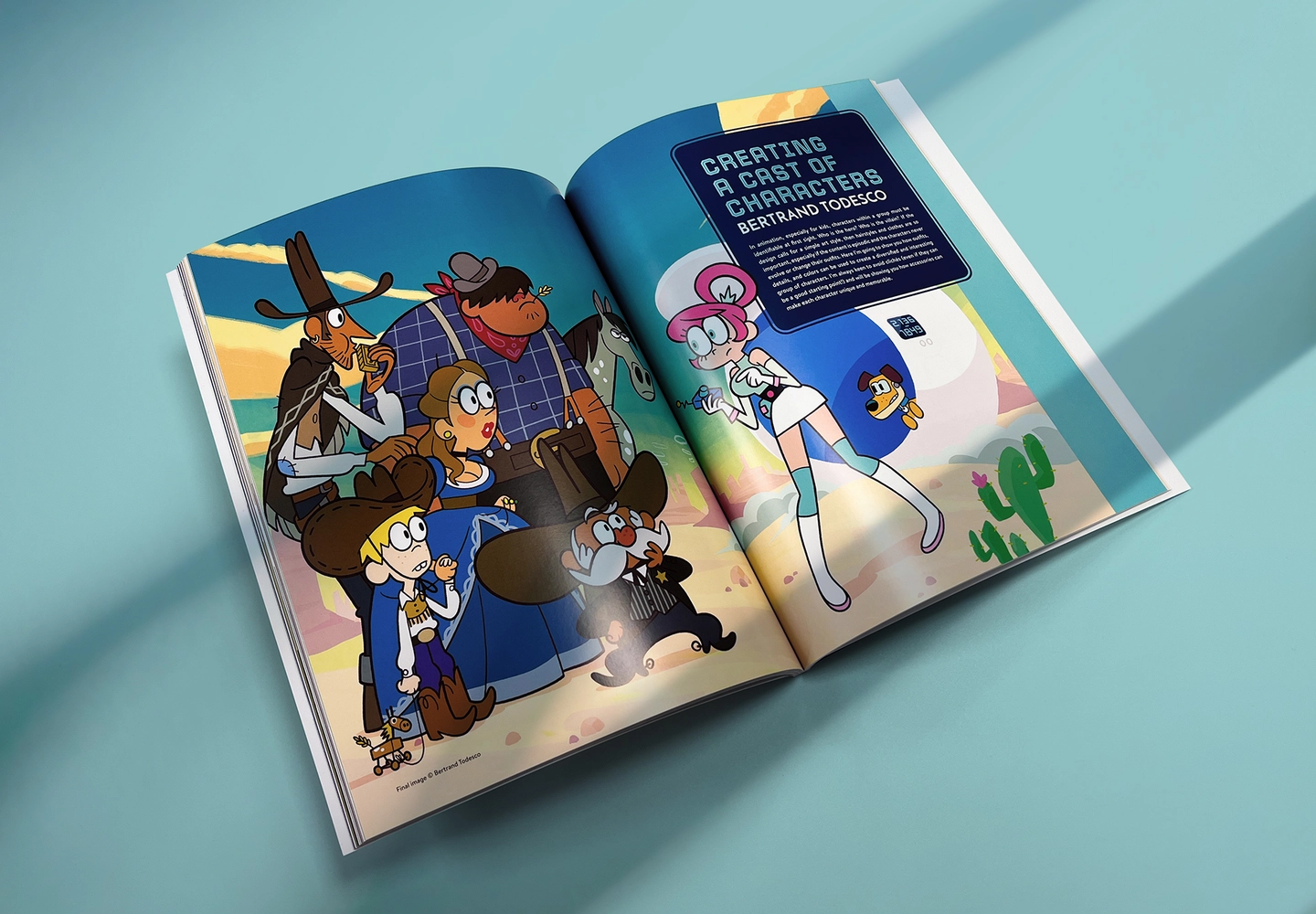
What paper are magazines printed on?
Paper shapes how a magazine looks and feels in the hand, and it accounts for a good part of the cost. Magazines are traditionally printed on coated stocks, most often a silk or gloss finish. Coated paper has a fine surface that holds ink crisply and reproduces text and images well, which is why it suits image-led publications. However, at Ashley House Printing our special printing house techniques on uncoated stock produce sharp and vibrant results, making it a popular choice with our customers. At Ashley House we now produce around 75% of brochures on an uncoated stock.
You are commonly choosing paper for two parts of the magazine: a heavier stock for the cover and a lighter stock for the inside pages/text. This is not the case if you prefer a self cover magazine which will have the same weight stock throughout. The inside text stock is typically light, which keeps the magazine comfortable to hold and easier to flick through, and the cover is heavier so it protects the publication and feels substantial.
Recycled stocks are also an option, whether uncoated or coated, uncoated gives a more natural, tactile result that suits some brands better than a glossy finish. The print on uncoated is still sharp and vibrant, and it is a popular choice with our customers. There is no single right answer; it depends on the publication and how you want it to feel in the hand.
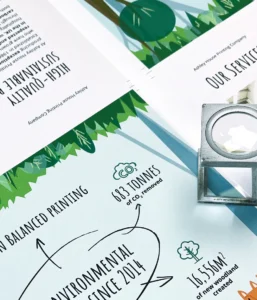
Whatever stock you choose, we supply it responsibly. We are FSC® certified, so all of the paper we use comes from responsibly managed sources, and our carbon-balanced printing has been standard since 2014 at no additional cost. The sustainable choice is the default here, not a paid upgrade. If the environmental side of the project matters to you, tell us, and we will recommend stocks that meet it without compromising the print quality.
From flat sheets to a finished magazine: folding and binding
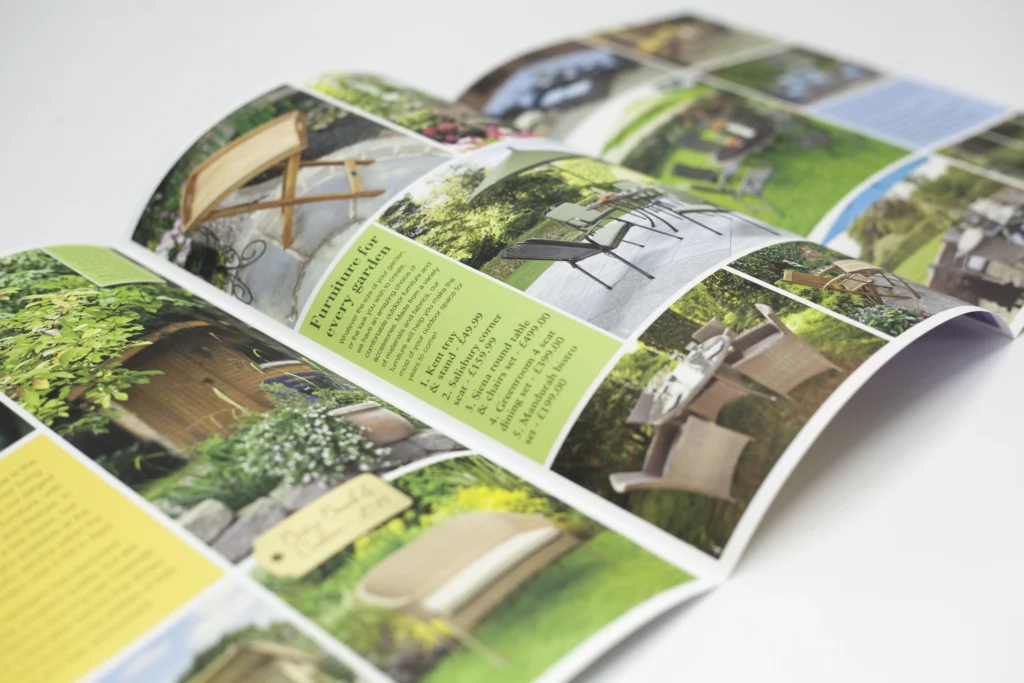
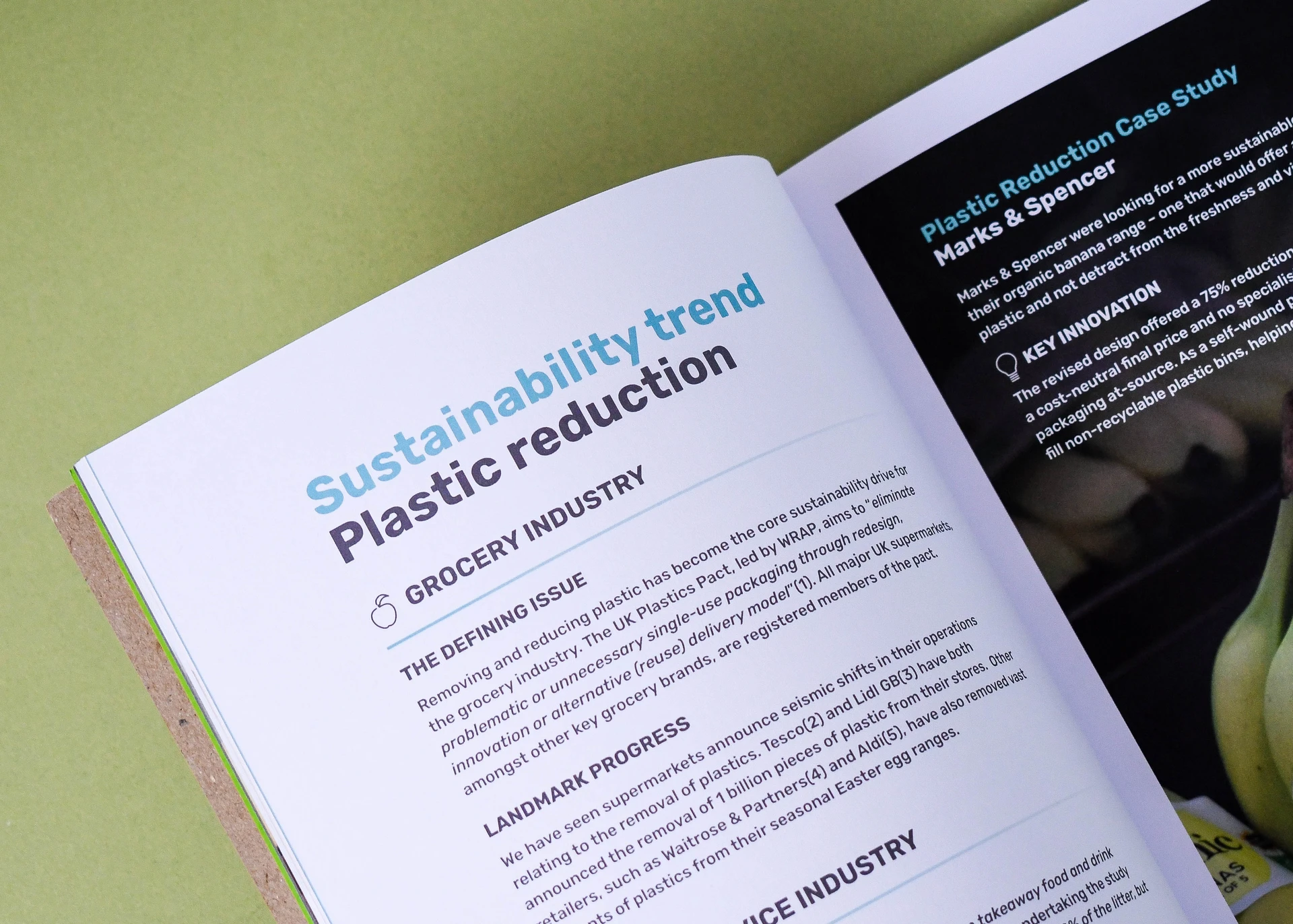
Once the pages are printed as imposed spreads, they are folded by machine, gathered/collated in page order and bound. This is where the loose printed sheets become a magazine.
Magazines are made up in multiples of four pages, because each printed sheet folds down into four pages. Designing to a multiple of four pages avoids paying for blank pages you did not plan for, so it is worth keeping in mind at the layout stage. The printed sheets are folded into sections, collated into the right order, and then bound.
We do this in our in-house bindery/finishing department, which keeps the whole project under one roof. The binding you choose affects both how the magazine looks and what it costs:
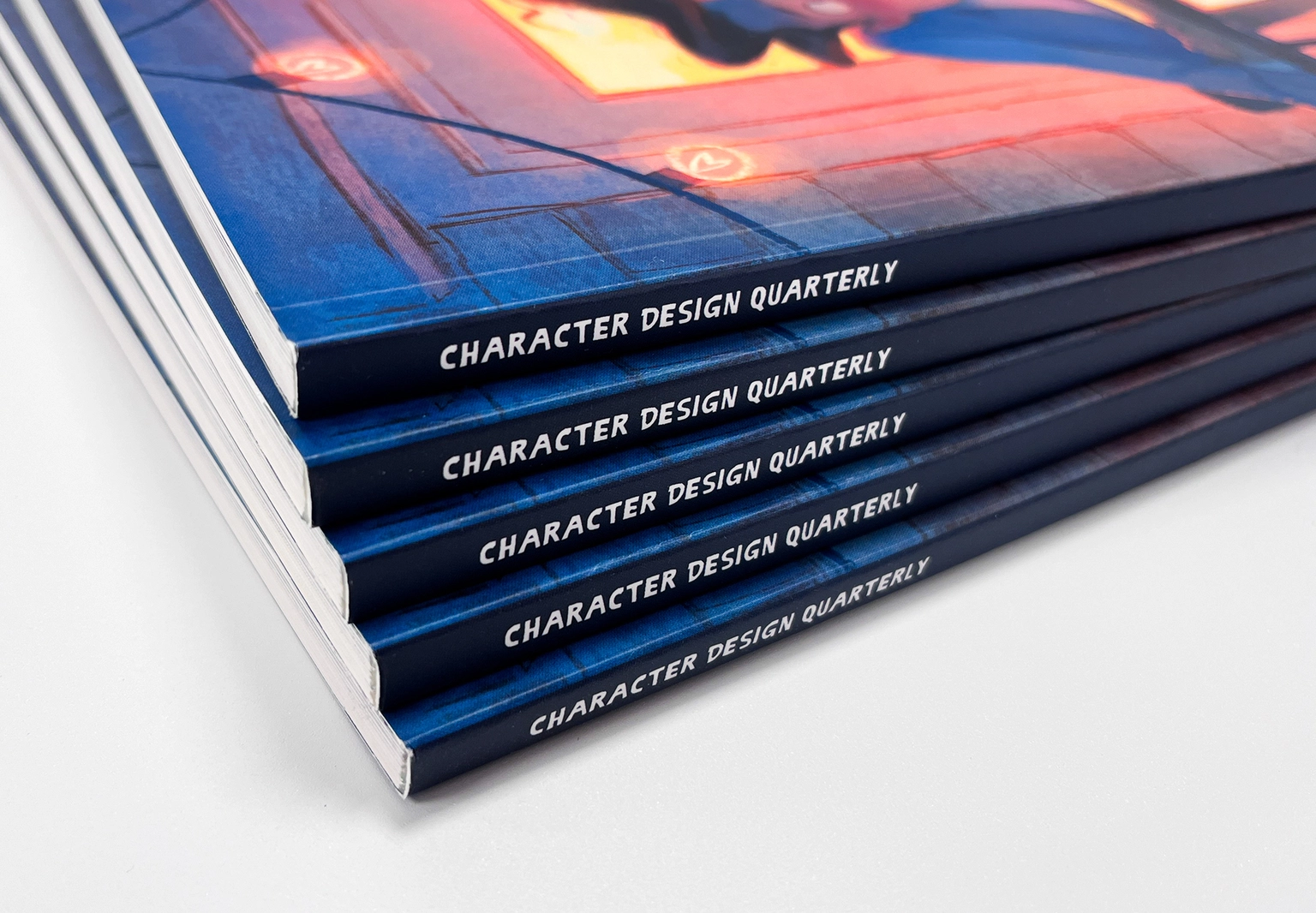
- Saddle stitched (FST). Folded sheets stapled through the spine. The most economical method, and the usual choice for magazines up to around 64 pages depending on the paper weight used.
- Perfect bound (PUR). Sheets glued into a square spine, like a paperback book. A premium finish that suits higher page counts and gives you a printable spine. It costs a little bit more than saddle stitching. We can PUR bind from 2mm thick brochures up to 50mm thick.
- Wiro bound. A wire binding that lets the publication lie flat. Less common for magazines, more usual for booklets and manuals.
If you are not sure which suits your magazine, tell us the page count and how you want it to feel, and we will advise.
Finishing and the in-house process
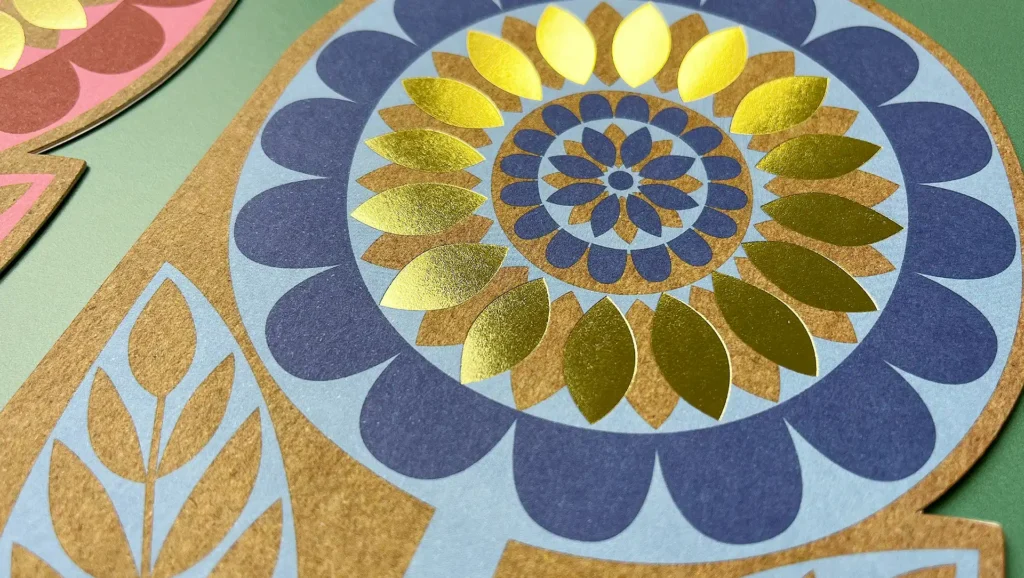
Before binding, the magazine could have special finishes applied. Cover finishes such as matt, gloss and soft touch lamination protect the publication and change how it feels, and details like a spot UV varnish finish, or foiling and embossing can also be applied. These options sit at the premium end. None of these are essential, but they are where a magazine can be lifted from very good to distinctive.
Because our pre-press, printing, bindery, finishing and fulfilment are all in-house, the whole project is handled in one place rather than being passed between suppliers. That keeps quality consistent from artwork file to finished copy and avoids the delays that come with sending work out. It is also how we keep a close eye on quality and the details that matter.
Format and size
Standard sizes such as A3, A4, A5 and 210mm x 210mm are the most cost-effective, because they use the press sheet efficiently and waste little paper. A custom or non-standard size is perfectly possible, but it can mean more waste and a higher price, so it is worth weighing the design benefit against the cost before you commit to a final size magazine.
How much does it cost to print a magazine?
There is no single figure, because the price depends on the quantity, the page count, the format, the paper and the binding. A short digital run of a slim A5 magazine sits at the lower end; a long litho run of a thick title on premium stock sits much higher.
We explain the levers in detail, and where the genuine savings are, in our guide to magazine printing costs. If you already have your specification, the quickest route to a price is to send us your requirements and we will send you an estimate.
Printing your magazine with Ashley House
We are an independent, family-run printing company in Exeter, printing magazines on our HP Indigo digital press and our Heidelberg litho presses, with an in-house bindery and our own pre-press, design and fulfilment. We print short runs and single copies through to long litho runs, and we are FSC® certified with carbon balancing as standard, so the sustainable choice is built in rather than charged for.
We are not the cheapest printer in the country, and we do not try to be. What we offer is experience, genuine print quality, good value for money, reliability, consultative advice on getting the job right, and the whole process handled under one roof, whilst caring for the environment. If you are planning a magazine, take a look at our magazine printing page or request a quote, and one of our experienced team will help you specify your requirements.
Frequently Asked Questions
-
They are printed digitally or lithographically, then folded, collated and bound. Short runs are usually printed digitally with no plates; longer runs are printed on a litho press using CMYK plates, which becomes more economical as the quantity rises. The printed sheets are then folded into sections, collated in order, and bound, most often by saddle stitching or perfect binding.
-
A commercial digital press, such as our HP Indigo 7900, for shorter runs, or a lithographic (offset) press, such as our Heidelberg Speedmaster presses, for longer runs. These are industrial presses, not the kind of printer you would have in an office.
-
No. A commercial digital press like the HP Indigo is not a desktop laser printer. It uses a liquid-based printing process at far higher quality and is in fact digital offset printing, and litho printing is a different process again, using inked plates and cylinders. Both produce results well beyond what an office printer can manage.
-
Most often by saddle stitching or perfect binding. Saddle stitching staples folded sheets through the spine and is the economical choice for magazines up to around 64 pages. Perfect binding glues the sheets into a square spine, like a paperback, which suits higher page counts and gives you a printable spine. We bind in our own in-house bindery, so the whole job stays under one roof.
-
Usually coated stock with a silk or gloss finish, with a heavier weight for the cover and a lighter weight for the inside pages. Uncoated and recycled stocks are also available where a more natural finish suits the brand.
-
A print-ready PDF is the format we prefer, because it locks in your fonts, images and layout so the file prints as you intended. Export it with crop marks and a few millimetres of bleed, and supply images at 300 dpi in CMYK. If you are not sure how to set the file up, send us what you have and our pre-press team will check it and tell you what needs adjusting before it goes to press. We also work with indesign, illustrator and photoshop among others.
-
Yes. A single copy is printed digitally on our HP Indigo press. The cost per copy is highest at that quantity, because there is no run to spread the setup across, but it is the right option for a proof, a sample or a one-off, and printing even a small batch brings the unit cost down quickly.