
Sustainable corporate gifts that people keep: a printer’s guide to client and Christmas gifting
A corporate gift is what reminds your client or your team of your brand once the project, pitch or the year is over. Whether it is still in use in September, or in the bottom of a drawer by the second week of January, is mostly decided before anyone places the order.
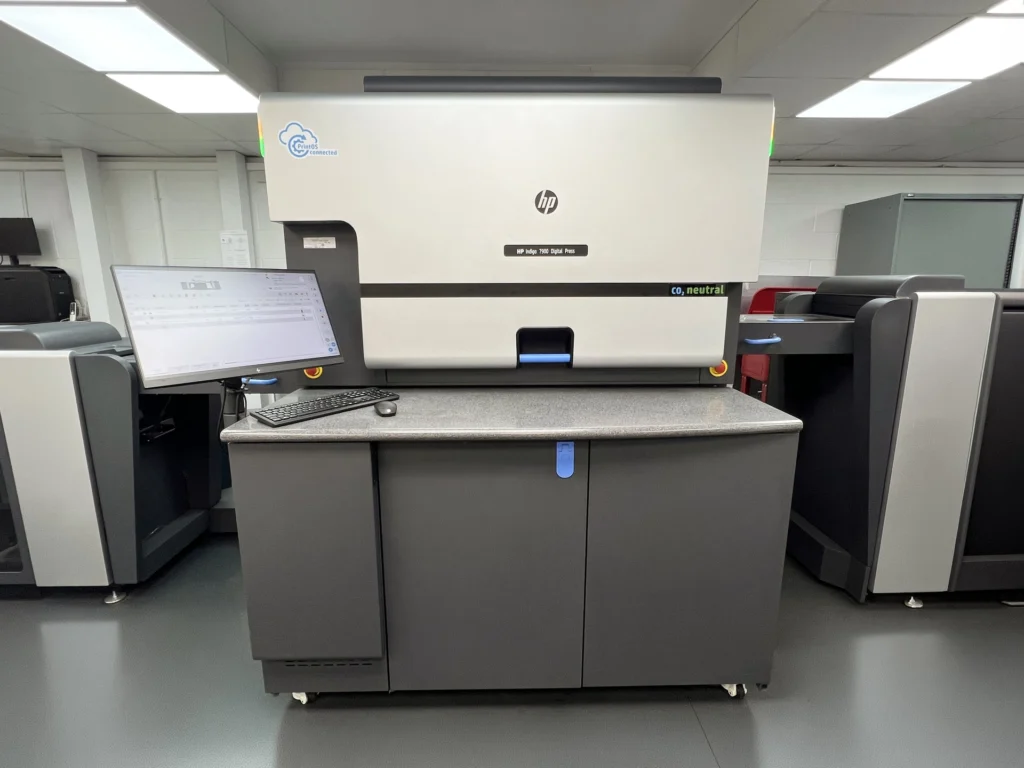
We print for design and marketing departments and office managers who choose those gifts, and one of the questions we are asked most often is which of them actually get kept. Our answer covers printed gifts, because eco-friendly printing is our speciality, produced in-house from our Exeter, Devon, factory, and delivered across the UK.
We will look at how to verify sustainability claims with confidence, which printed products can remain useful and relevant throughout the year, and how thoughtful presentation can turn a simple gift into something that feels genuinely considered and valued.
Key points
- A gift that is actually used is worth more than a gift that is expensive
- Vague environmental language is easy to write. Ask for the certification, the scheme and the year, and verify them.
- Calendars are the one piece of print a client keeps on show for twelve months, which is why we recommend them first.
- The box, the wrap and the tag are part of the gift, and they can be printed to match the rest of your brand.
- Christmas print demand builds from as early as September
Why corporate giveaways end up in a drawer, or worse, the bin
Three things put a gift in the drawer. From the drawer it goes in the bin, usually at the next desk clear-out.
The first is that the recipient has no use for it. Many corporate giveaways are chosen because they can be branded and bought in quantity, which is a purchasing decision rather than a gifting one. The second is duplication: your client already owns a perfectly good version of the item, and now owns two. The third is branding. A logo sized to satisfy the marketing team is usually a logo too large for anyone to carry the item in public.
The result is waste with your name on it, which is an awkward outcome for any business that has spent the rest of the year reducing its environmental impact.
The test we would apply is simple. Would you keep it? Not would you be polite about it, but would it be on your desk, your wall or in your bag in six months time? Almost everything that passes that test has two features in common: it is in regular use, and the branding is discreet.
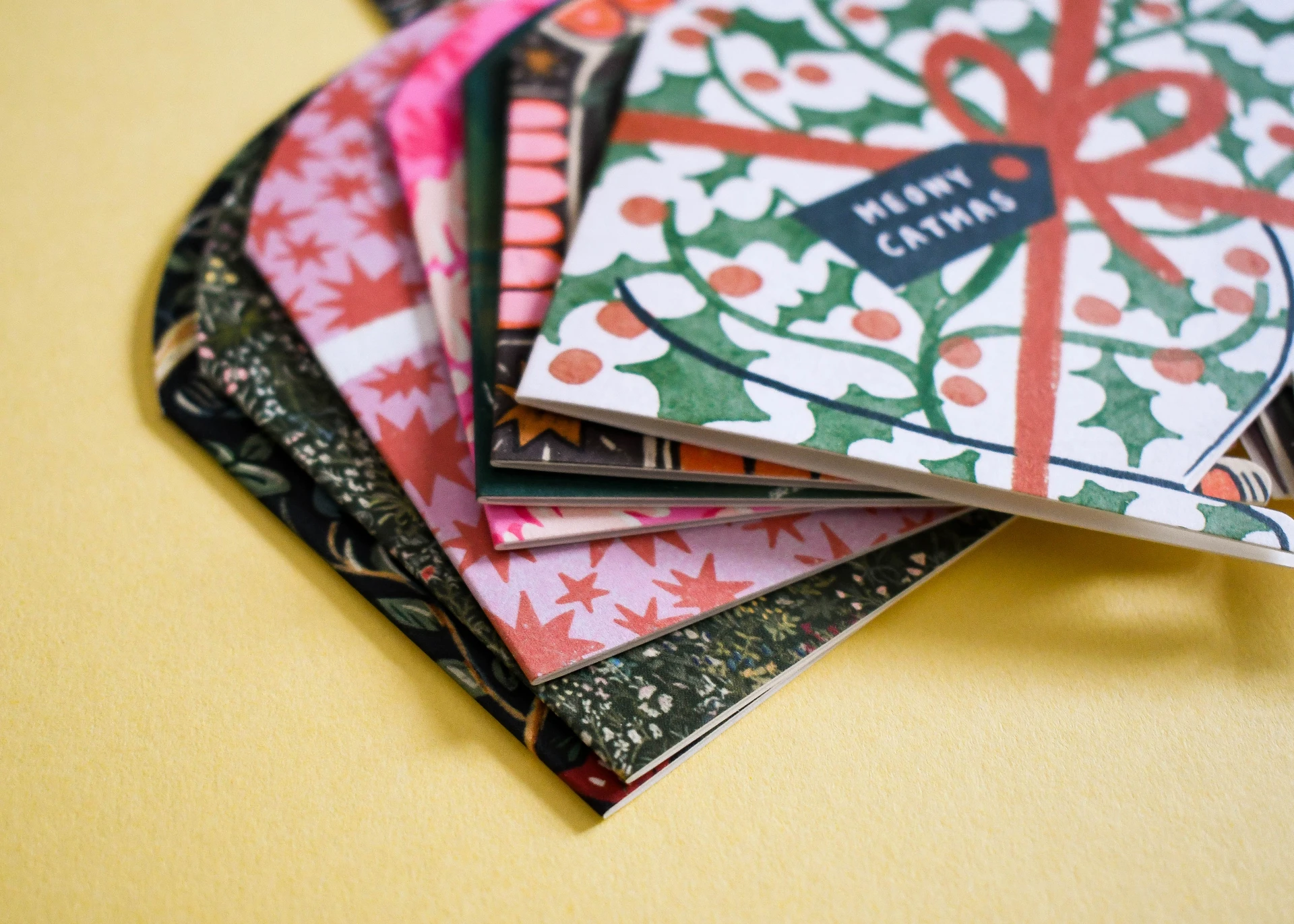
Printed items do well against that test for a slightly unfair reason. A calendar, a card or a print is something people choose to have in their space.

What makes an eco-friendly corporate gift, and how to check
The language used around sustainable corporate gifts can easily be mistaken for proof. Terms such as recycled materials, ethically sourced, low impact and responsibly made are not certifications. They are claims that a supplier may make about their products, however, if the claim does not hold, the gift could work against your good intention.
The useful questions to ask are listed in the table below:
| What to ask | What good proof looks like | How to check it |
|---|---|---|
| Who certifies the material? | FSC® chain of custody, with a licence code | Look the licence code up on the FSC® public search |
| Is the carbon balanced, and by whom? | A named scheme and conservation partner, not a self-declared offset | Ask for the certificate and the year it covers |
| Is environmental management audited? | ISO 14001, with the certifying body named | Ask for the certificate number and its renewal date |
| Is the impact measured? | Figures with units and a date attached | Ask what the figure covers and when it was last updated |
| What does it ship in? | Named packaging materials, not “eco packaging” | Ask what the item is wrapped and taped with |
How to spot genuine sustainable gifts
There are two key things to look out for:
- The first is an unattributed claim. For example, an environmental benefit with no scheme, no partner and no number behind it.
- The second is a product built from conventional components with one or two sustainable materials in it, where those materials are then used to loosely describe the whole item.
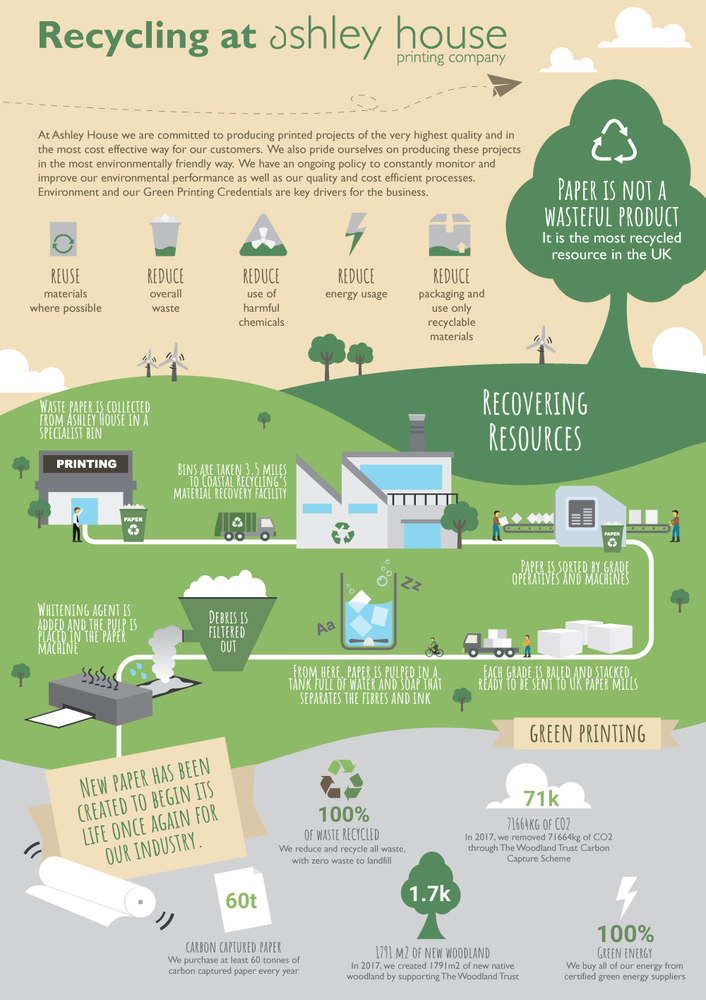
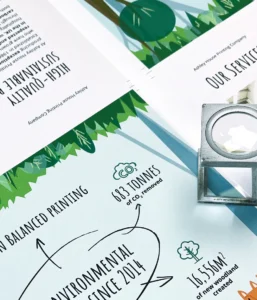
We are a certified Carbon Balanced Printer through the World Land Trust, FSC® certified and we are ISO 14001 accredited. Every paper stock we use has been carbon balanced as standard since 2014, at no additional cost to the customer. We run on 100% green energy, we recycle 100% of our waste under a zero landfill policy, and we print with vegetable-based inks on chemistry-free plates.
The measurable impact, through the World Land Trust, currently stands at 988 tonnes of CO2 removed, 43,850m² of habitat protected, 20,257m² of new woodland and 2,940 new trees planted. Those figures are cumulative and are constantly improving, so we publish the current ones on our eco-friendly printing page. This is the level of detail to ask any supplier for when sourcing your sustainable gifts.
Printed corporate gifts that stay in use for a year
These are the printed gifts we make that last the test of time. We print all of them on FSC® certified, carbon balanced stock as standard.
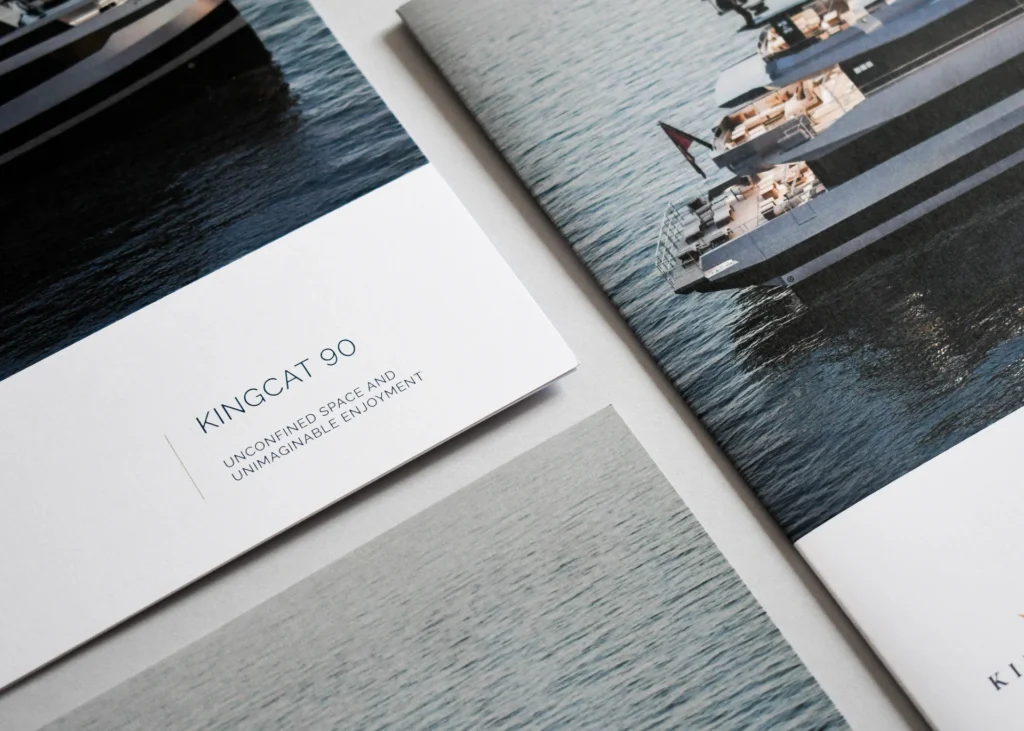
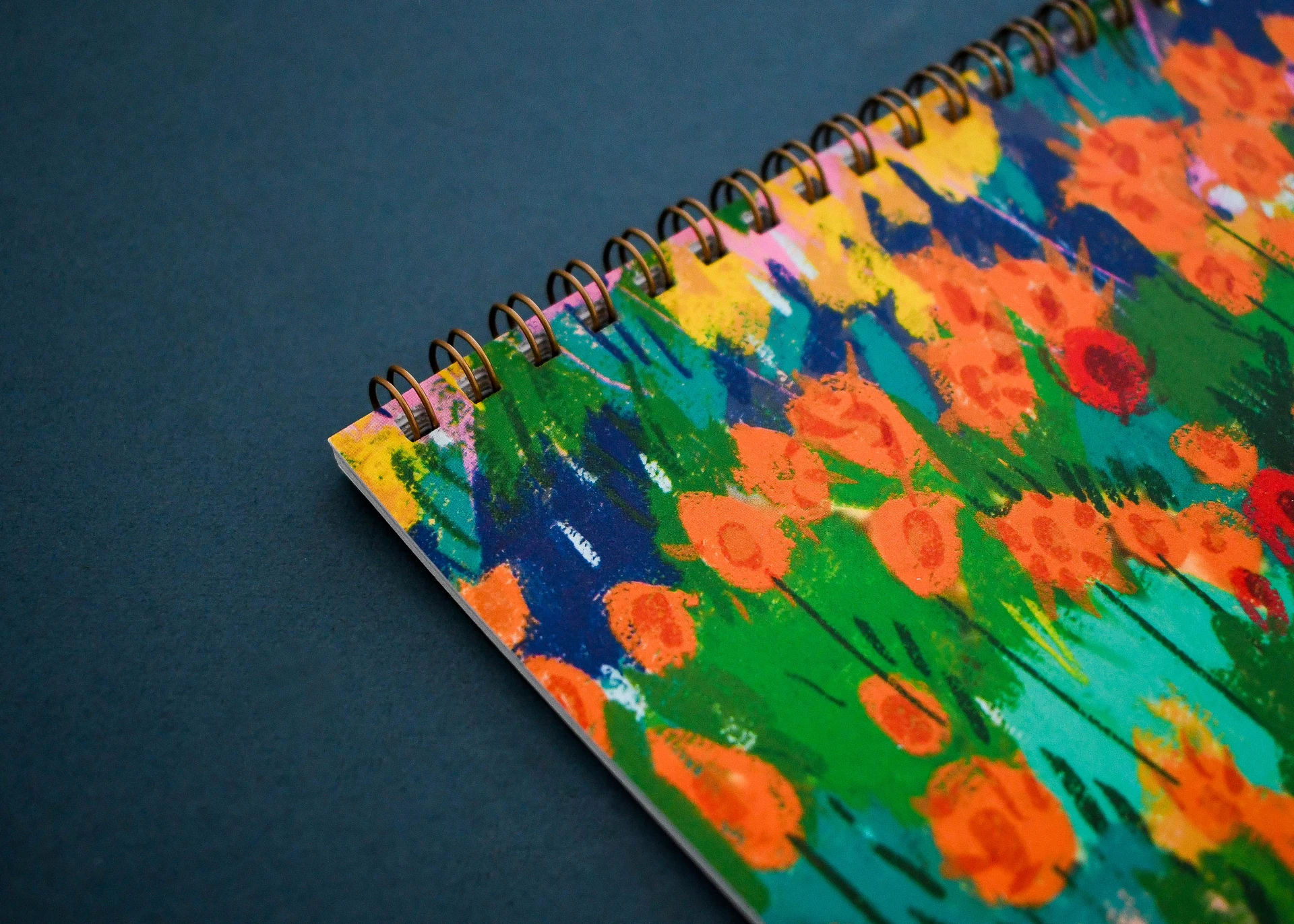
Calendars: A calendar is one of the few pieces of marketing a client keeps on show for twelve months, which is unusual for anything with a logo on it. We print wall calendars in A5, A4 landscape, 210mm square and 28-page formats, and A5 desk calendars, wiro bound so they stand and turn cleanly. If you are choosing corporate gifts that should still be in use next December, this is the one we would recommend. See our branded calendars page for formats and stocks, or order wall and desk calendars directly from our online shop.
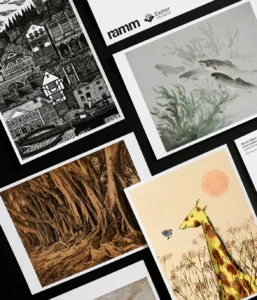
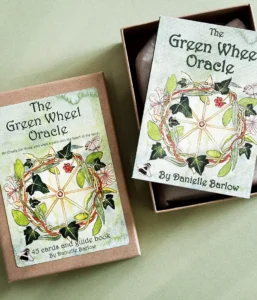
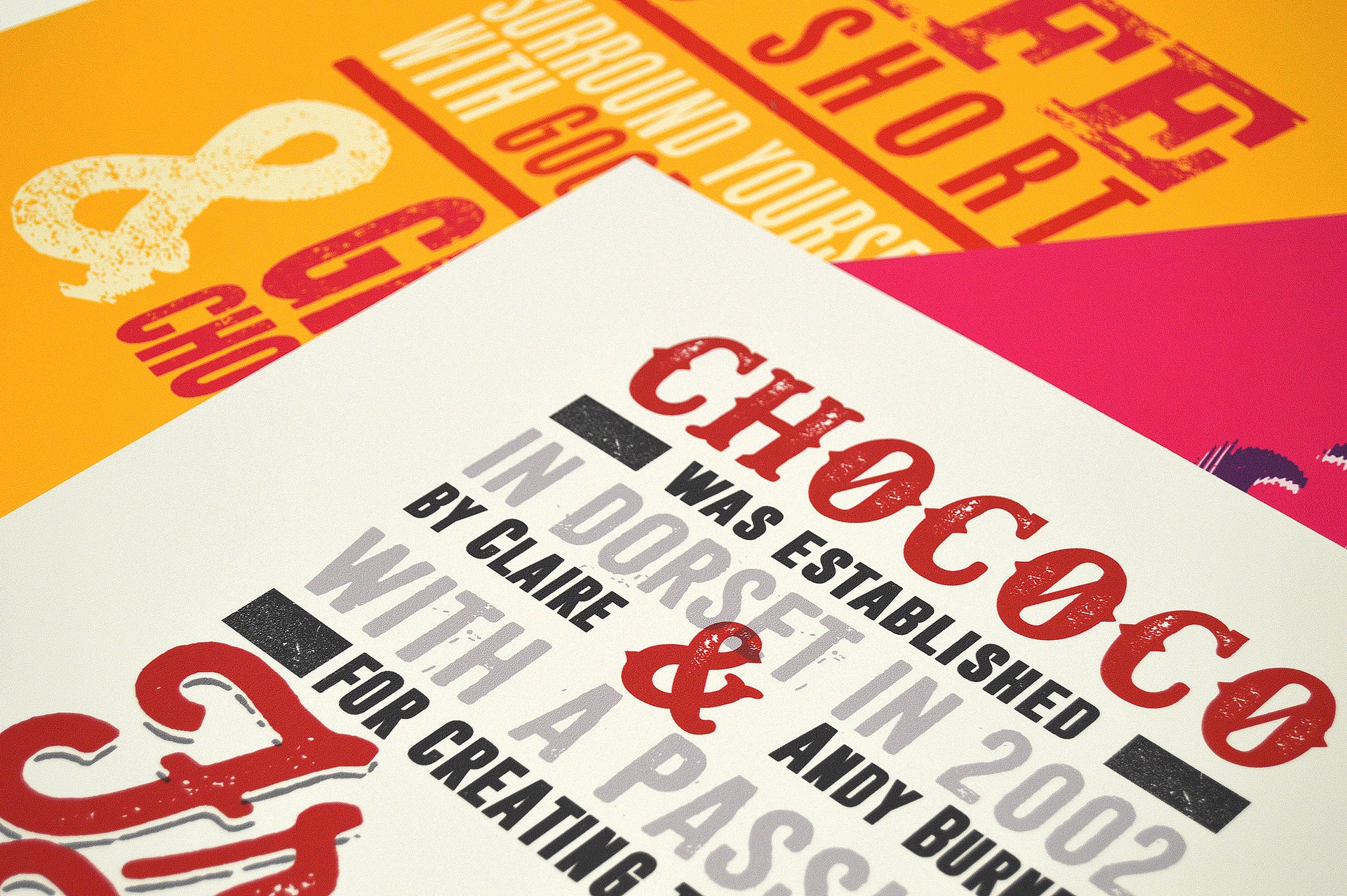
Art prints: We produce giclée quality art prints and limited edition prints, and each print can be individually numbered, with authentication stamps to verify the originality of each piece. Framed prints work well for a smaller number of senior clients, and commissioning a local artist for the edition turns a gift into something with a story attached. This is the closest thing we make to a luxury corporate gift, and it costs less than most people expect.
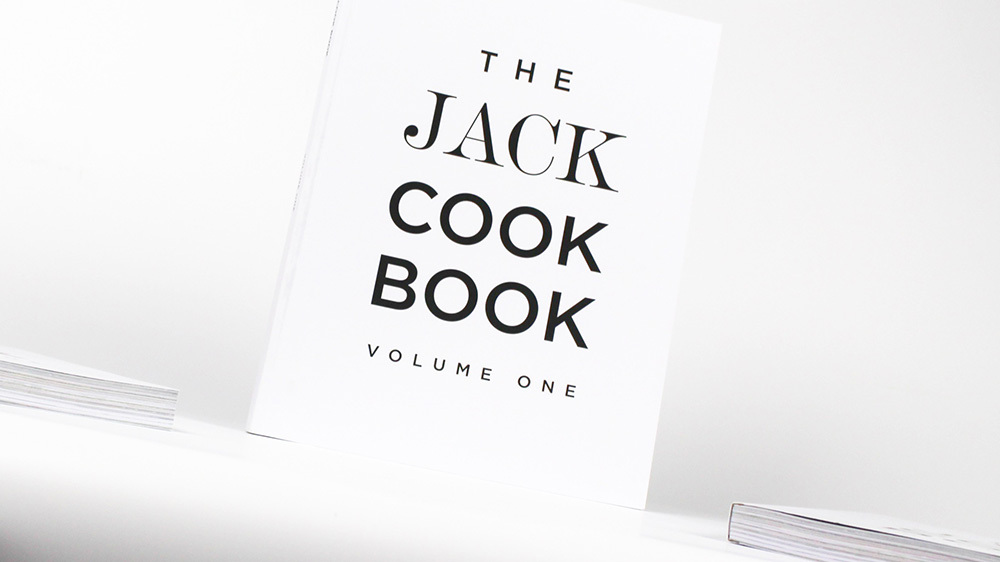
Notebooks, journals and pads are the everyday desk option, and they are the item most likely to be in use daily rather than seasonally.
Cards and postcards are covered later in the article.
Recycled, FSC® certified and carbon balanced stock
Every one of those items can be printed on recycled stock, and recycled is available in both coated and uncoated finishes. Uncoated is the popular choice for calendars and notebooks: it takes a pencil, it photographs well and it feels closer to a designed object than a printed one.
For image-led work such as art prints and photographic calendars, coated stock holds detail better. Bespoke work also runs on premium designer papers and thicker stocks, so the specification is not limited to a standard list. All of it is FSC® certified and carbon balanced as standard.
The wrapping is part of the gift
Packaging is usually the part a gift supplier leaves to you, and it shapes the first impression your gift makes.
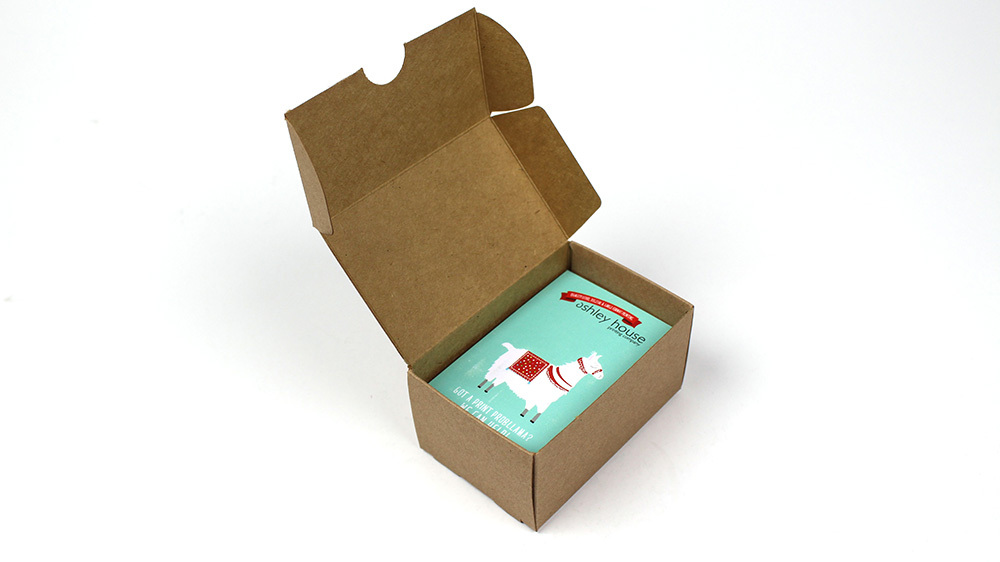
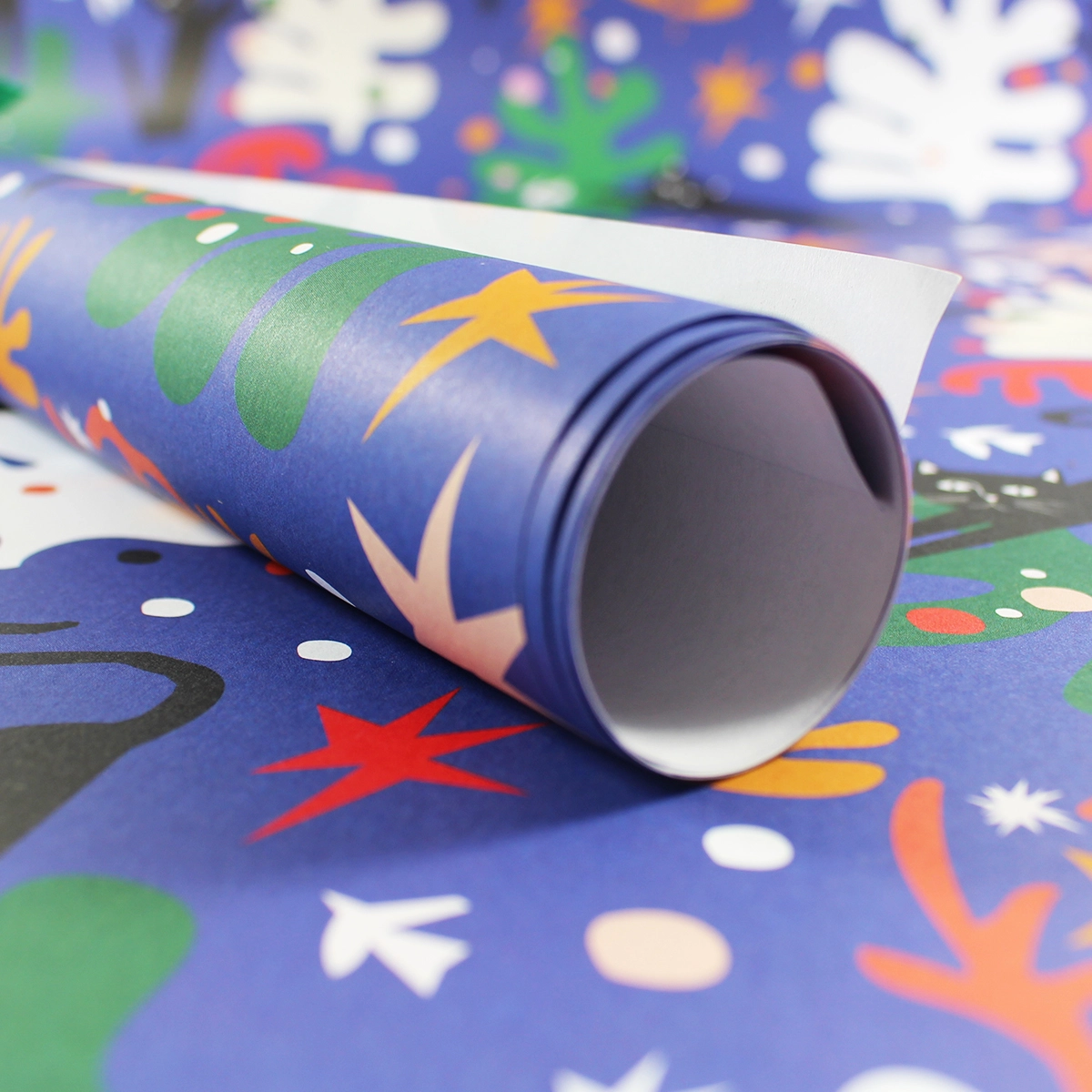
A corporate gift presented in a printed box, wrapped in your own paper with a printed tag, looks like something you chose for them, and there is a moment of anticipation before they reach the gift itself. Packaging is a small percentage of the total cost, so we would highly recommend customising it.
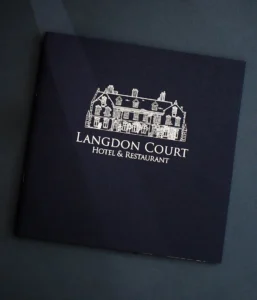
We print branded gift wrap and wrapping paper, gift tags, labels and stickers, and bespoke packaging using specialist techniques such as metallic inks, embossing and debossing and spot colours.
Our own outbound packaging is plastic-free, and we use 100% recyclable paper tape, so a gift that arrives from us does not arrive shrink-wrapped.
If you are producing a gift set, it is worth designing the wrap and the tag at the same time as the item rather than after it. The colours are easier to hold across both, and it is one production run instead of two.
Sustainable corporate Christmas gifts that last past January
Christmas is where most corporate gifting budgets go, and where the drawer test is hardest to pass. Hampers, food and drink gifts are generous, but often consumed and forgotten by mid-January.
We would suggest pairing any of the above with a card and calendar. The card carries your message. The calendar goes up in January and stays there until the following December, which means your client sees your name every working day of the year for the cost of a gift they receive once.
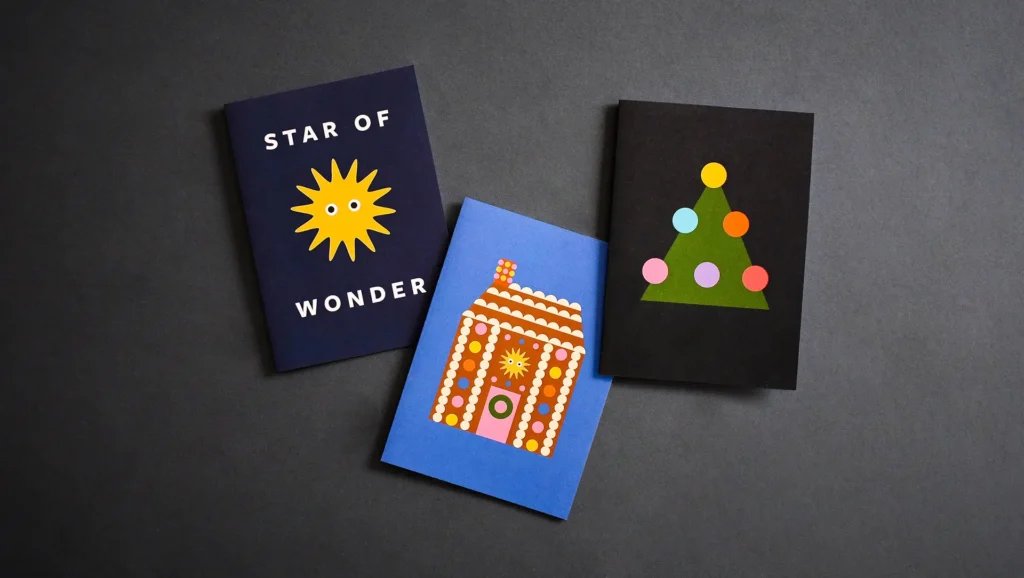
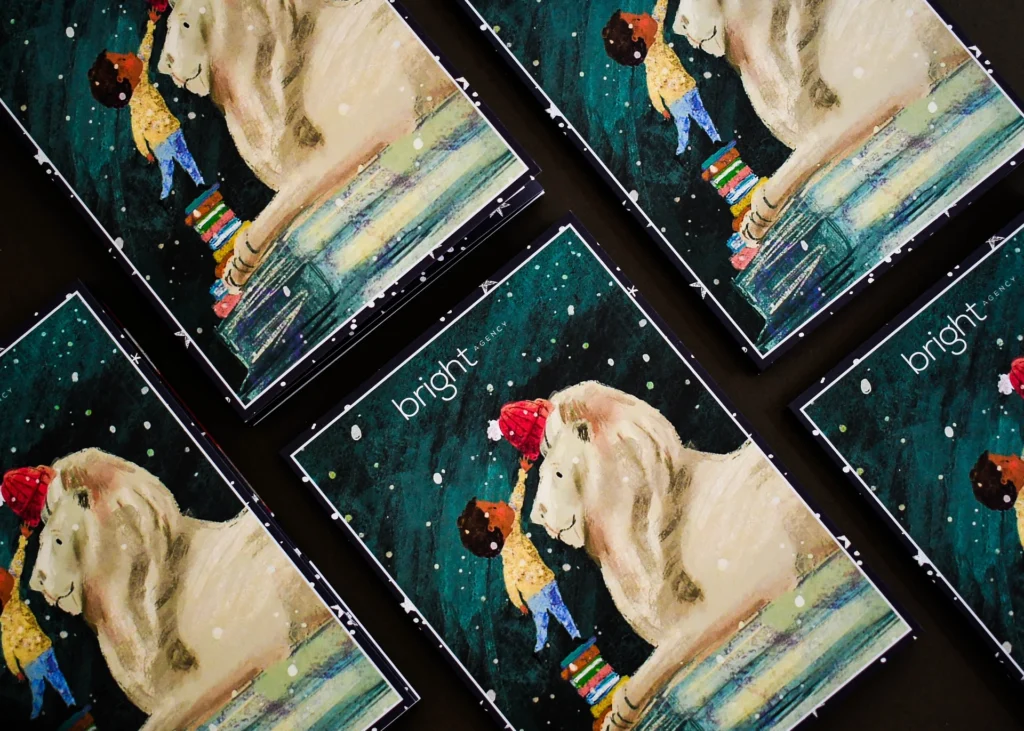
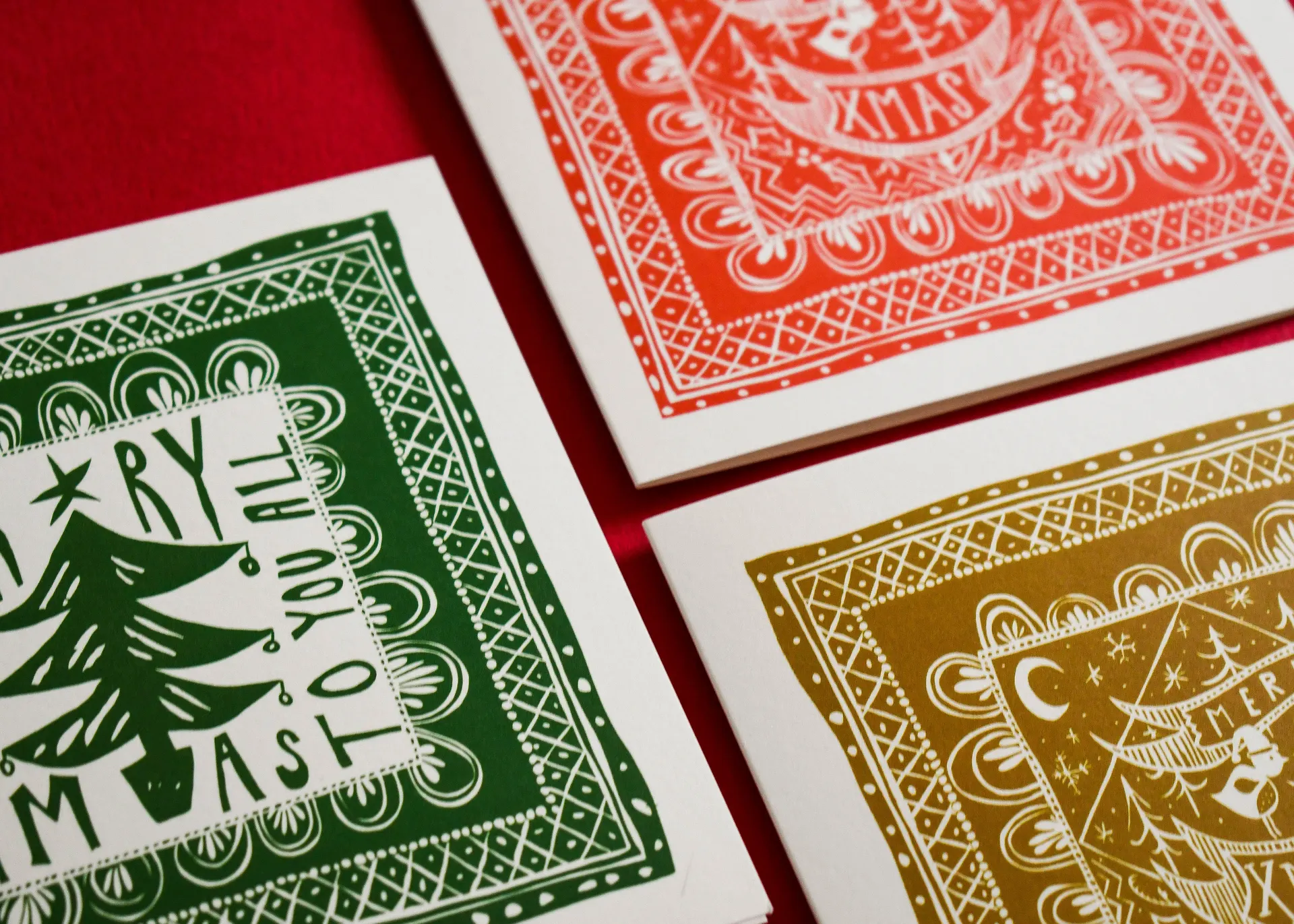
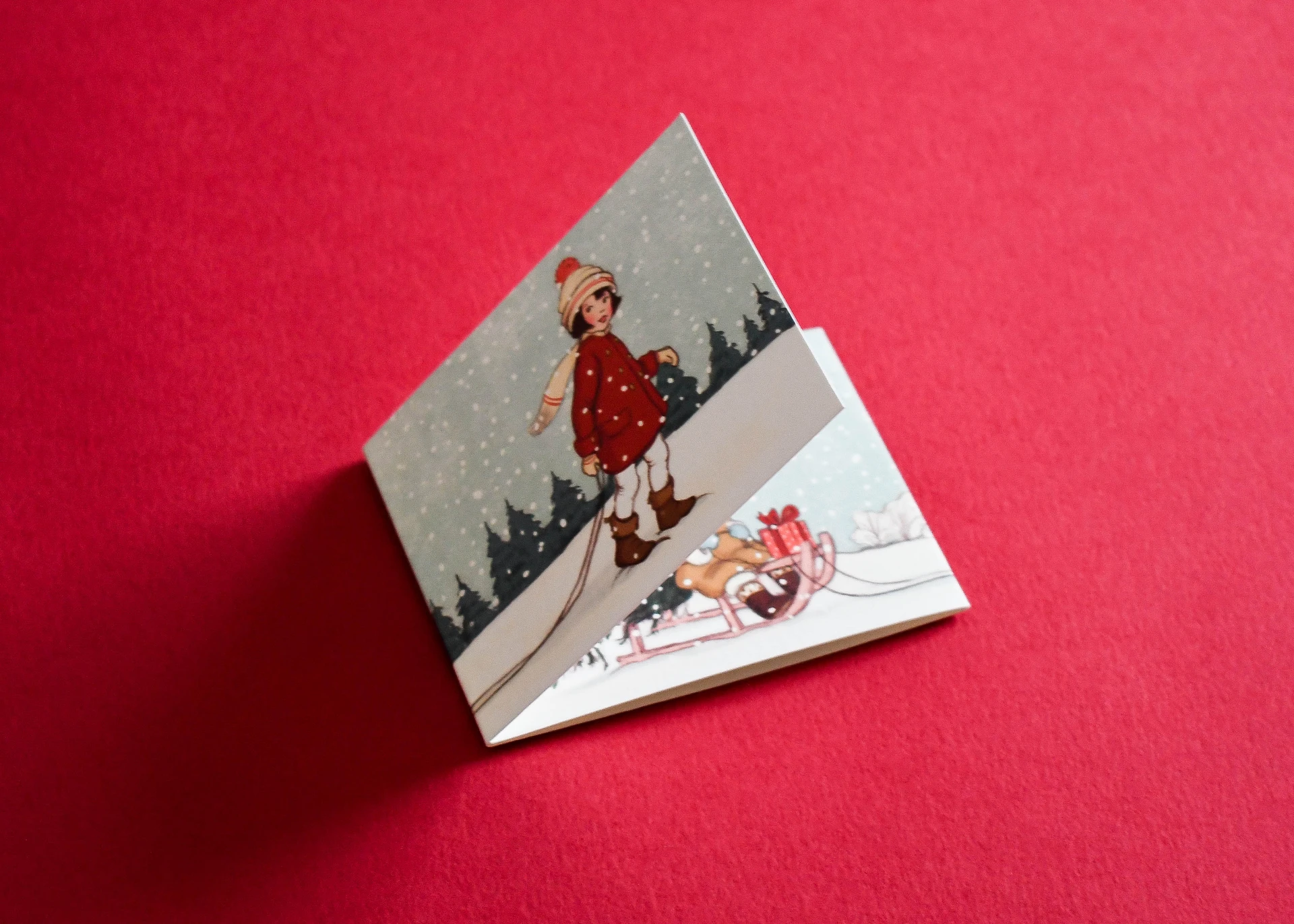
Our corporate Christmas cards can be foiled, embossed or printed on recycled, FSC and carbon balanced stock, with printed envelopes to match. Thank-you cards are worth ordering at the same time for the January follow-up, which is a quieter moment and a better one for being remembered.
Demand builds from early September, with specialist finishes, foiling, binding and larger litho quantities all adding to the production timeline. The safest way to hit a December date is to order early, although we do deliver right up until the Christmas break. Our full range of festive print, including gift wrap and gift tags, sits on the Christmas printing page.
How to brief a printed gift
Four things decide the specification, and having them ready shortens the process considerably.
Quantity: This usually has the biggest impact on cost. Digital printing is the economical choice up to around 500 copies and lithographic printing above that, so a run of 300 and a run of 3,000 are different conversations.
Personalisation: Decide early whether every item is identical, whether they carry individual names, or whether there are two or three versions for different client tiers. Variable data is straightforward on digital, and it changes the approach on litho.
Artwork: A print-ready PDF with crop marks, bleed at 300 dpi in CMYK is ideal, and we also work with InDesign, Illustrator and Photoshop. Our pre-press and proofing studio checks your artwork before anything goes to press. If you do not have artwork, our in-house graphic design department can help produce it.
Timing: Work back from the date the gift needs to be in someone’s hands, not the date it leaves us.
Every project is priced individually, because quantity, format, stock and finishing all move the figure. Send us your specification and we will produce a no-obligation quotation, or if you are unsure which option is right for your project, give our friendly team a call on 01392 202320 and we will be happy to advise you.
Frequently Asked Questions
-
Printed items that stay in use are the strongest option: calendars, notebooks and journals, art prints, and cards produced on FSC® certified, carbon balanced stock. The test is whether the item will be used for months rather than opened once, and whether the environmental claim behind it names a scheme you can check.
-
A card paired with a calendar covers both jobs: the card lands in December with your message, and the calendar keeps you visible through the following year. For senior clients, a numbered limited edition print in a printed box is a step up without moving into gift-hamper territory.
-
They do, although the choice usually differs. Employee gifts tend to be more personal and less brand-led, so a well-made notebook or a print for the home works better than a branded calendar. Quantity is normally higher and the personalisation is where the value sits.
-
There are rules on what is allowable for tax and what counts as a trivial benefit, and the thresholds are reviewed periodically. Current guidance is published on gov.uk, and it is worth confirming the figures with your accountant before budgeting rather than relying on last year’s numbers.
-
Start the conversation in September and place the order in October and November. Demand builds from early October, and specialist finishes such as foiling, binding and larger lithographic quantities all add to the production timeline. We deliver right up until the Christmas break, but the December slots go first.
-
It is a good idea and an underused one. A gift arriving in the second week of January lands in a quiet inbox rather than a full one, and a calendar is a natural fit for the timing because the recipient needs one at exactly that moment. Thank-you cards work the same way.