How Sustainable is HP Indigo Digital Printing?
Digital printing is often described as the more sustainable way to print. It can be, and the reasons are practical rather than promotional: no printing plates, far less set-up waste, and the freedom to print only the quantity you need.
If you buy print for a business, this matters more than it used to. Customers, tenders and Environmental, Social and Governance (ESG) reporting all ask harder questions about the supply chain than they did even five years ago, and “our printer is eco-friendly” is not an answer unless you can say why.
So here is the why. This article covers how our HP Indigo 7900 digital press works, what independent evidence says about the environmental impact of digital printing, where lithographic printing still makes sense, and what we do at Ashley House on top of the technology itself.
Key points
- The HP Indigo is a digital offset press: no plates, minimal set-up, litho-standard colour.
- The biggest saving is in the quantity: print what you need, when you need it, and nothing becomes obsolete stock.
- The environmental case is independently evidenced by a peer-reviewed life cycle assessment carried out to ISO 14040 and 14044.
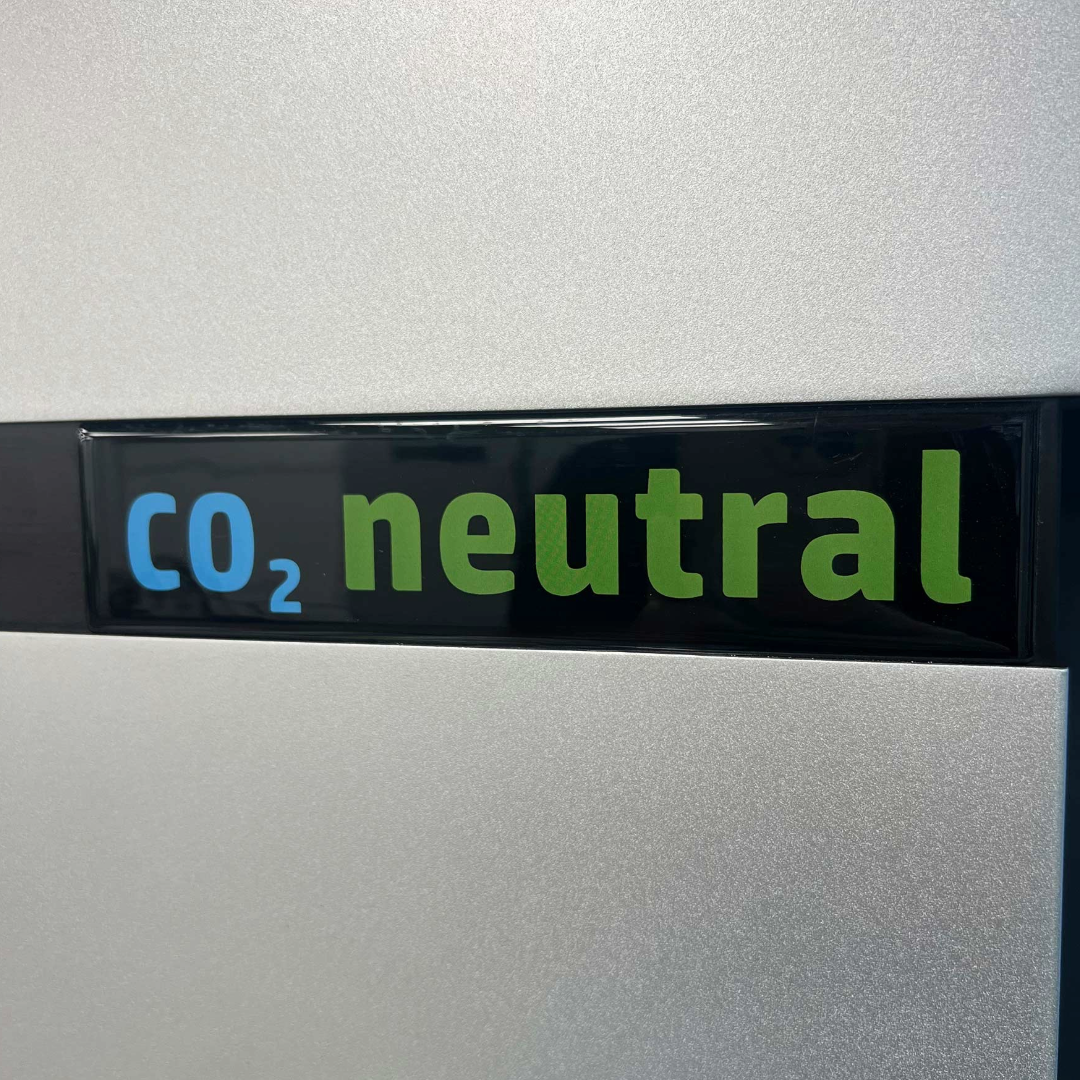
- Our HP Indigo 7900 is a Carbon Balanced press, running in a certified Carbon Balanced Printer.
- Digital is the economical choice up to around 500 copies; litho above that. We run both and will advise which suits your project.
How the HP Indigo prints differently
The environmental case for the HP Indigo starts with how it puts ink on paper, because that is where the waste in conventional printing comes from.
Digital offset, not laser
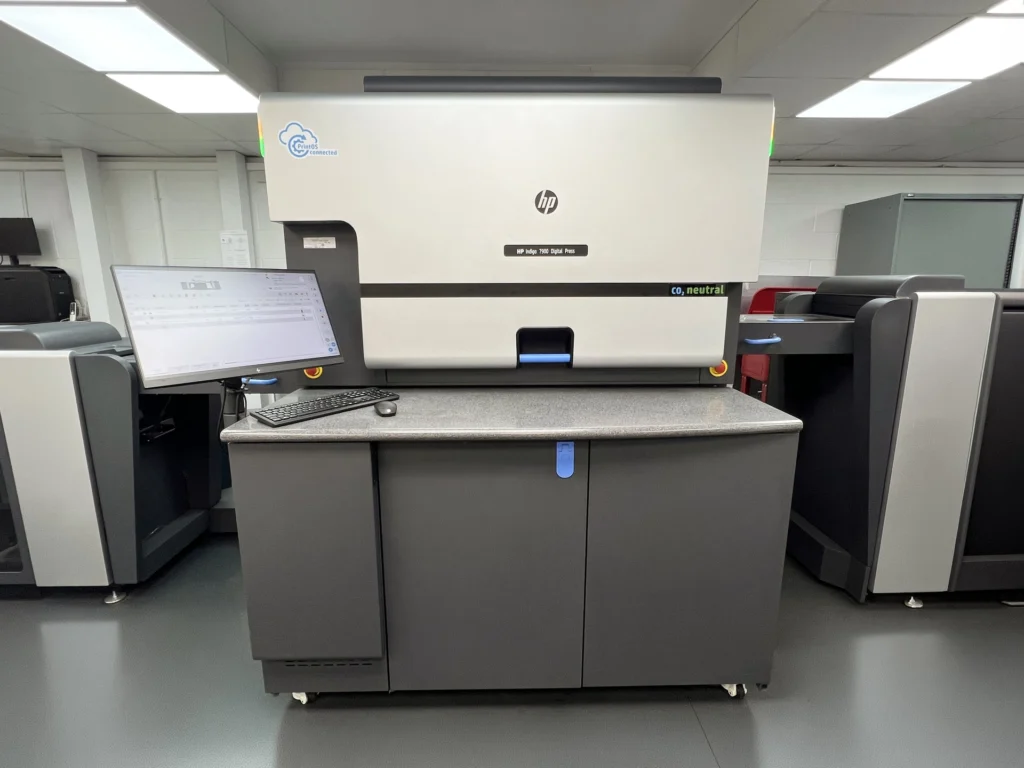
The HP Indigo is a digital offset press, not a laser printer. It prints with HP’s liquid ElectroInk, which is transferred to the sheet from a heated blanket, the same principle as offset litho. That is why it produces the colour depth and consistency that litho buyers expect, and it is why many UK printers do not run one: it is a press, with a press operator’s skill behind it, not an office machine scaled up.
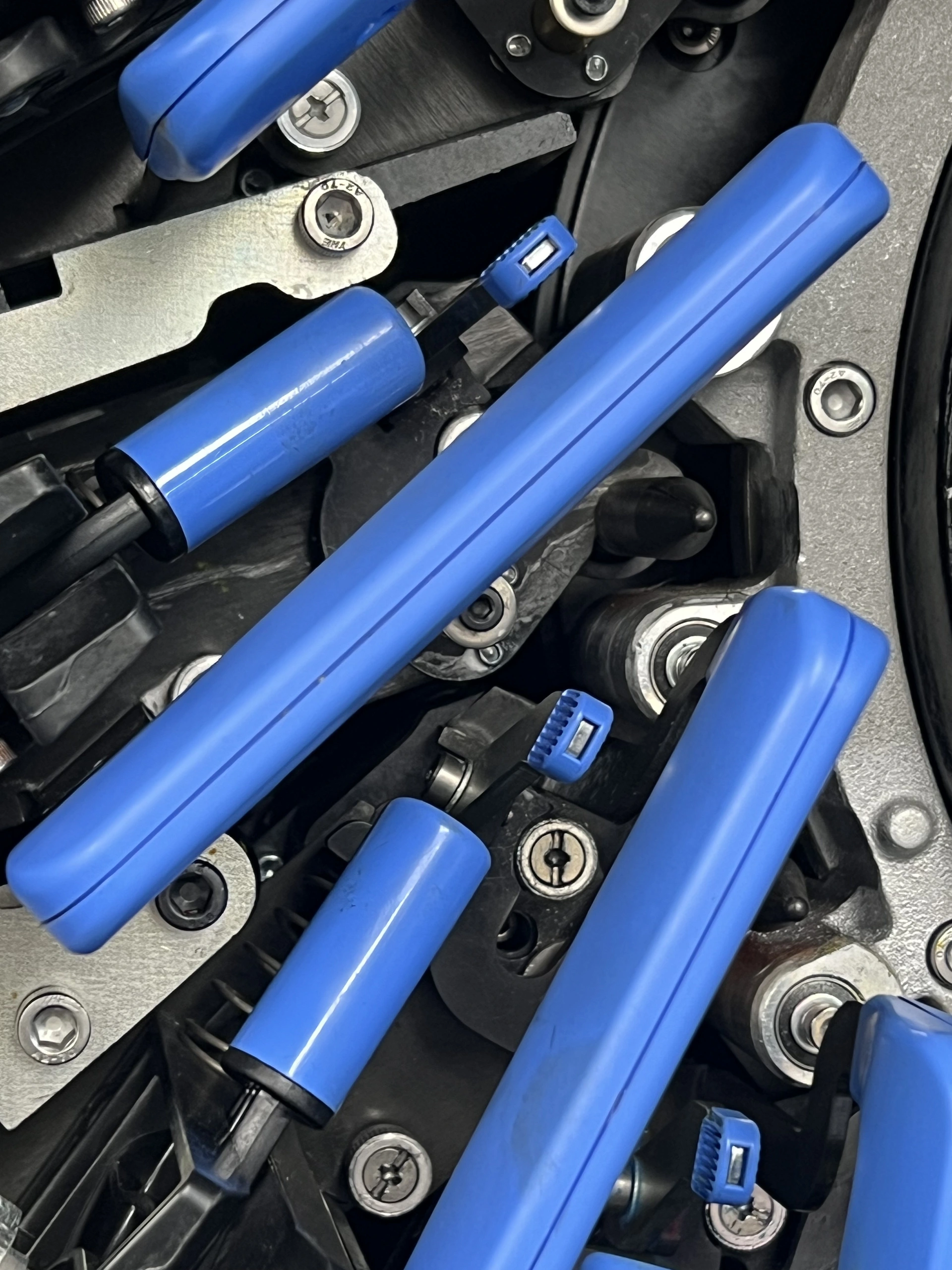
The difference from litho is what happens before the first sheet. A litho project needs a set of plates made ready on the press, one per colour, and run-up sheets before the first saleable copy comes off. On the HP Indigo there are no plates at all. The image is formed fresh for every impression, so the press goes from file to finished sheet with minimal set-up and minimal waste, and every sheet in the run can be different if the project calls for it.
Because the ink is dried on the blanket rather than on the paper, sheets come off the press ready for the bindery straight away. HP also states that the liquid carrier which evaporates during printing is captured and recycled back into the press, so an HP Indigo emits a fraction of the volatile organic compounds of conventional processes.
Print only what you need
The biggest environmental saving in digital printing is not on the press. It is in the quantity you order.
Why quantity is the biggest environmental lever
Litho economics push towards larger runs: once the plates are made and the press is ready, additional copies are cheaper, which is what makes litho the right choice for larger quantities. The result, across the industry, is sometimes over-ordering, and over-ordered print becomes obsolete stock.
Digital removes that pressure. With no plates and no make-ready run-up, a quantity of 50 is priced as a quantity of 50, not burdened with the set-up costs of 5,000. You can print what a campaign actually needs, then reprint when you need more, with updated content if things have changed. HP puts the reduction in media waste at up to 90% compared with conventional analogue processes, and while that is HP’s figure rather than ours, the mechanism behind it is exactly what we see on our own print floor: less set-up waste going into the recycling, and quantities matched to what a project actually needs.
What the independent evidence shows
Manufacturers say a lot of things, so it is worth being clear about what has actually been tested.
Inside HP’s peer-reviewed life cycle assessment
In December 2023, HP completed a full life cycle assessment comparing its latest HP Indigo Series 5 digital presses with modern B1 and B2 offset presses producing the same commercial print. The study was carried out by an independent sustainability consultancy, Earth Shift Global, and critically reviewed by a third-party expert panel under ISO 14040 and 14044, the international standards a comparative study must meet before its results can be published. The full study is set out in HP’s LCA white paper.
For the short-run work the study modelled, 500 copies of a 160-page A4 catalogue, the digital press had a lower environmental impact than offset in every impact category considered. The single biggest reason was the aluminium printing plate. Producing aluminium is energy-intensive, and a typical commercial offset workload gets through a substantial number of plates, most used once. Remove the plate and its associated set-up waste, and most of the gap opens up from there.
Two caveats. Those figures were measured on HP’s newest B2 presses, not on our HP Indigo 7900, so we will not claim them as our own. And the same study found that as quantities grow, offset steadily closes the gap, because the plate is a fixed cost spread over more and more sheets. The principles that drove the result, no plates and minimal set-up waste, are how every HP Indigo prints, including ours. The specific numbers belong to HP.
A Carbon Balanced press in a Carbon Balanced printer
The press itself is part of the picture too. Our HP Indigo 7900 is a Carbon Balanced press: the carbon emissions associated with manufacturing it have been balanced through independently verified offset projects that protect and restore forests.
What surrounds the press matters as much
A printing company’s footprint is much bigger than its machinery, and a digital press in a printing company that does nothing else is a green machine in a business that isn’t. At Ashley House:
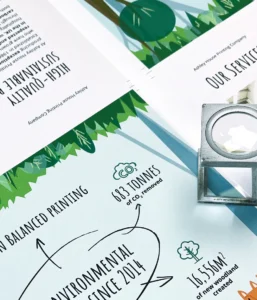
- We are a certified Carbon Balanced Printer through the World Land Trust, and we have carbon balanced all of our paper stocks as standard since 2014, at no additional cost to our customers. Since then that work has removed 988 tonnes of CO2 and planted 2,940 new trees.
- Every paper we print on is FSC® certified and responsibly sourced, with full chain-of-custody assurance.
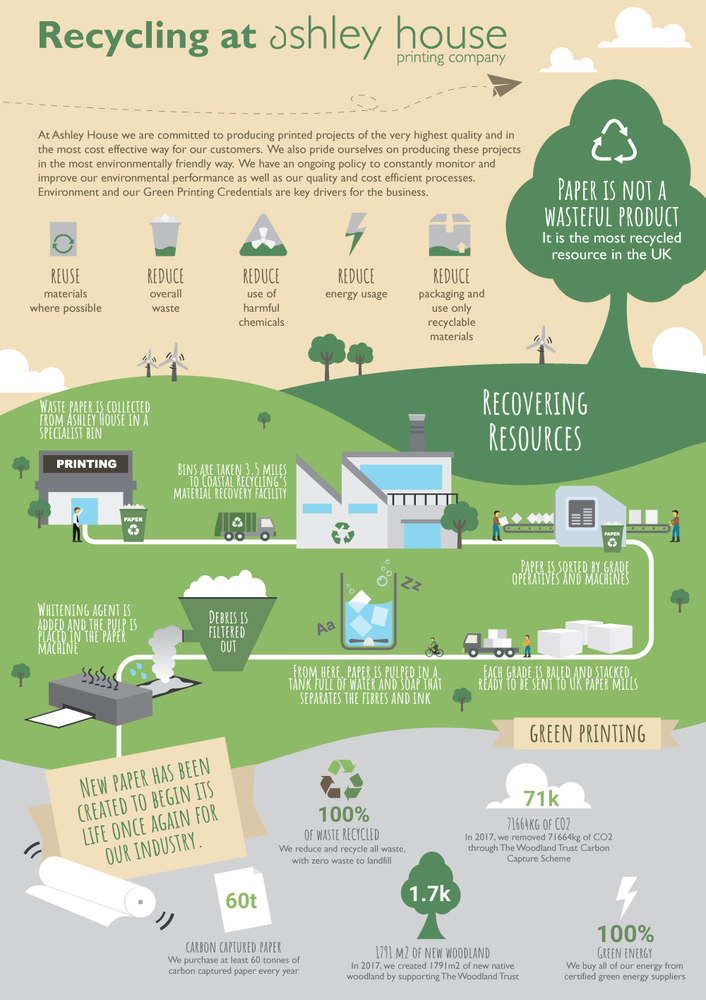
- We run on 100% green energy, recycle 100% of our waste under a zero landfill policy, and operate as a plastic-free business.
- Our environmental management is ISO 14001 accredited and independently audited.
The technology and the operation have to work together, and it is fair to ask any printer about both.
Where litho still makes sense
We run both technologies, so we have no reason to oversell either one.
Matching the press to the project
As a working rule, digital is the economical choice up to around 500 copies; above that, litho comes into its own. Our Heidelberg Speedmaster litho presses run chemistry-free plates and vegetable-based inks on the same FSC® certified, carbon balanced papers, so a longer litho run at Ashley House is still a responsible choice. HP’s own study reached the same conclusion from the other direction: the two technologies are complementary, and the right one depends on the project in front of you.
The table below summarises how the two compare at Ashley House.
| HP Indigo 7900 (digital offset) | Heidelberg Speedmaster (litho) | |
|---|---|---|
| Economical quantity | Up to around 500 copies | Above around 500 copies |
| Plates | None | Chemistry-free plates |
| Set-up waste | Minimal | Make-ready and run-up sheets |
| Personalisation | Every copy can be different | Fixed content per run |
| Inks | HP ElectroInk | Vegetable-based inks |
| Papers | FSC® certified, carbon balanced as standard | FSC® certified, carbon balanced as standard |
No compromise on quality
Sustainable printing used to carry an unspoken cost: slightly duller colour, a narrower choice of paper, a sense that you were settling. The HP Indigo is the argument against that.
Colour, stocks and personalisation
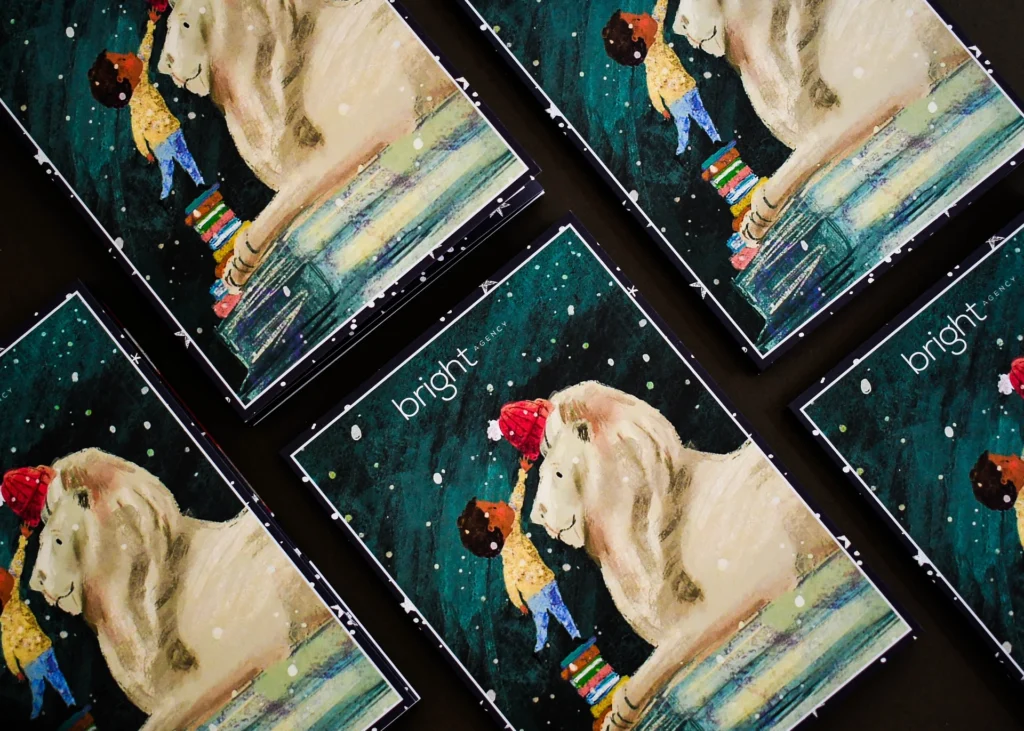
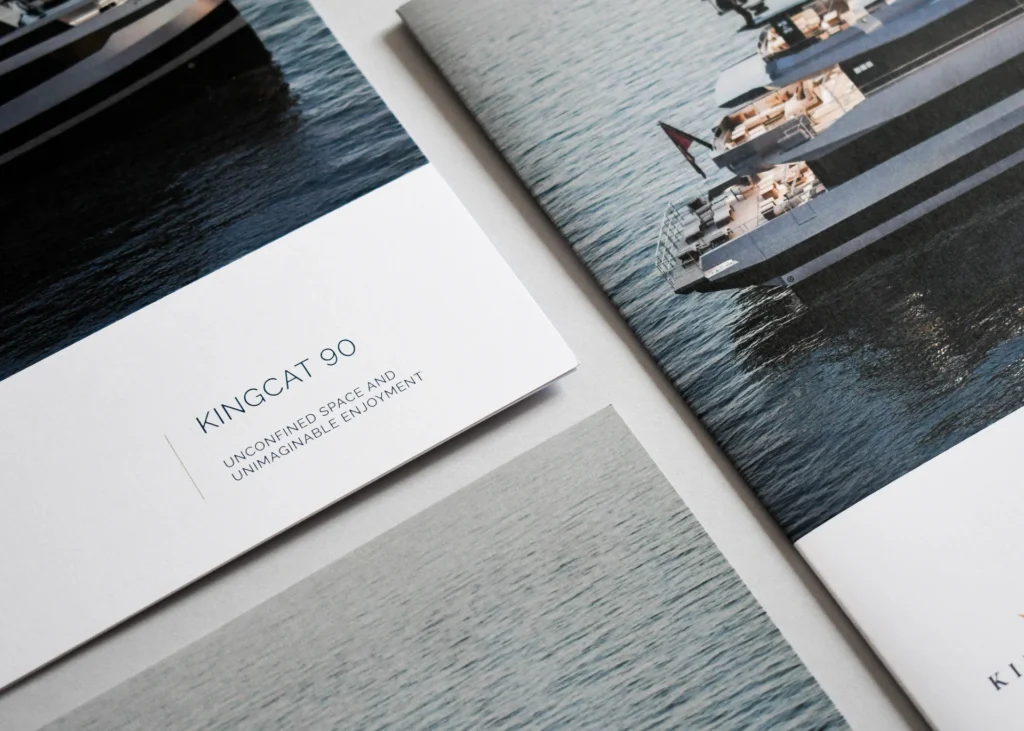
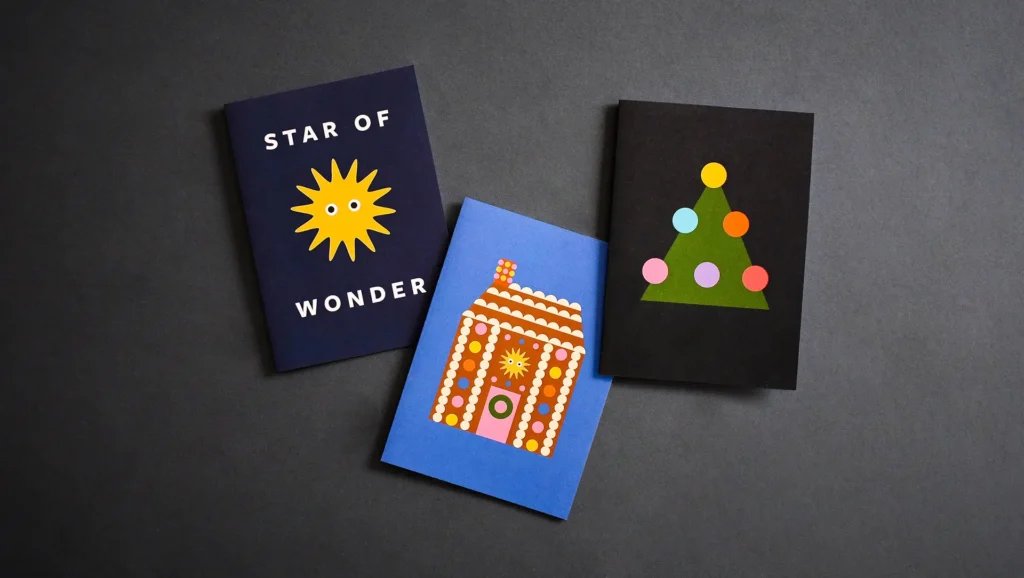
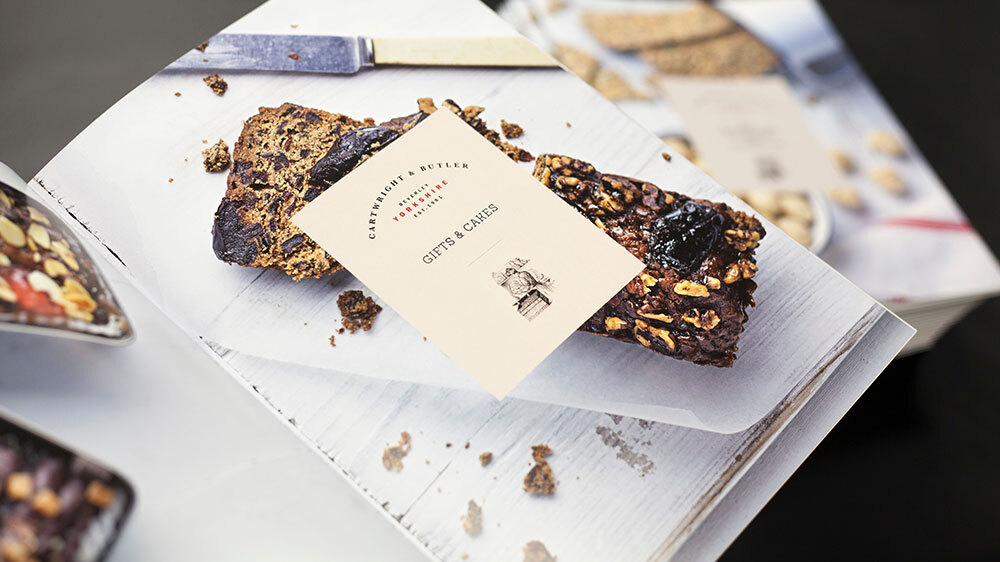
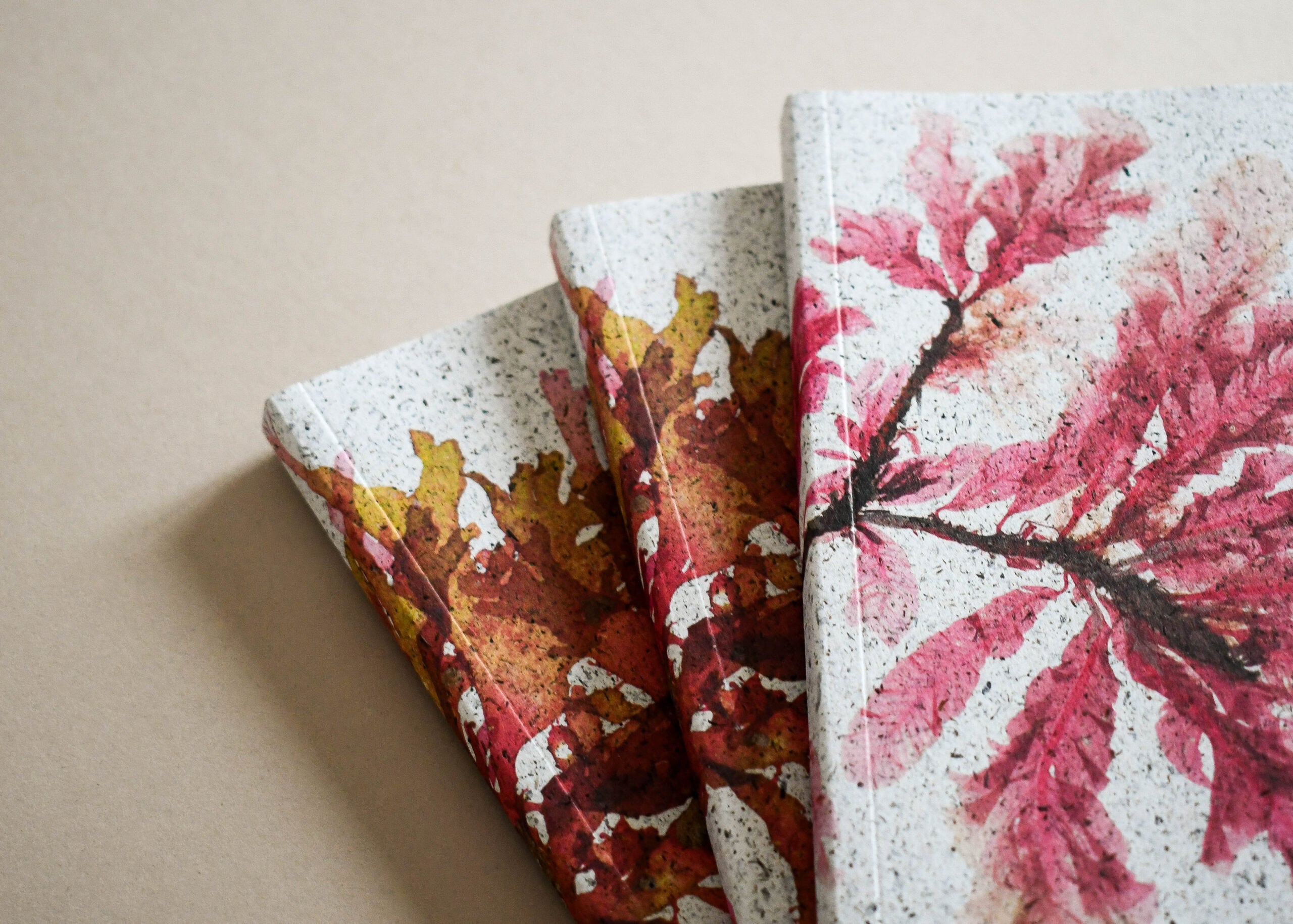
Colour accuracy and consistency are the reasons this press has a reputation among designers, and it prints on a wide range of stocks, coated and uncoated, recycled and standard. With the heavy substrate kit fitted, it takes heavier stocks of approximately 400gsm, or up to 550 microns, as the press is rated by thickness rather than weight. Because there are no plates, it is also the press that makes short runs and personalisation practical: greeting cards and art cards in small quantities, personalised invitations, limited edition books, targeted direct mail where every copy carries a different name, and short-run brochures printed for the meeting you actually have rather than the year you think you might.
For most projects, printing fewer, better copies of exactly what you need serves the budget and the environment at the same time.
Next steps
If you are weighing up digital against litho for a project, or your business needs print it can stand behind in an ESG conversation, we will recommend the right quantity, stock and press for the project. Find out more about our HP Indigo printing services, read about our eco credentials, or call us on 01392 202320.
Frequently Asked Questions
-
For short runs, the evidence says yes. HP’s peer-reviewed life cycle assessment found its HP Indigo digital presses had a lower environmental impact than offset in every category considered at short-run quantities, mainly because digital needs no aluminium plates and produces far less set-up waste.
As quantities grow, litho closes the gap, which is why we run both and recommend the press that fits the quantity.
-
A press whose manufacturing carbon emissions have been balanced through independently verified offset projects that protect and restore forests.
Our HP Indigo 7900 is a Carbon Balanced press, and the paper it prints on has been carbon balanced as standard at Ashley House since 2014, at no additional cost to our customers.
-
No. The HP Indigo is a digital offset press, printing with liquid ElectroInk transferred from a blanket in the same way as litho, which is why its colour accuracy and consistency have a reputation among designers.
It prints on coated, uncoated and recycled stocks at approximately 400gsm, or up to 550 microns.
-
As a working rule, up to around 500 copies. Below that threshold digital is usually the more economical choice, and it is ideal for short runs, personalised print and printing on demand, so you order the quantity you need and reprint when you need more.
Above around 500 copies, our litho presses usually offer better value.
-
Yes. Every paper we print on is FSC® certified and responsibly sourced, and we have carbon balanced all of our paper stocks as standard since 2014 through the World Land Trust, at no additional cost. Recycled options are available in both coated and uncoated finishes.