Everything You Need to Know About Print Finishes
Print finishing is the final step in the printing process, and it transforms the look, feel and durability of your newly printed materials. Whether you’re printing business cards, brochures or magazines, choosing the right print finishing techniques can add the perfect finishing touch to your design. Everything in this guide happens in-house, in our own bindery and finishing department in Exeter, Devon, so the advice comes from the people who do the work.
Below, we explain the full range of print finishing options to help you make the right choice for your next project.
Key points
- Print finishing covers everything applied after the ink has dried: varnishing, lamination, foiling, embossing, die-cutting, creasing, folding and binding.
- Every finish in this guide is applied in-house, in our own bindery and finishing department in Exeter, Devon.
- Matt, gloss and soft touch lamination protect pieces that get handled a lot; if recyclability matters, biodegradable lamination and water-based varnishes are the sustainable alternatives.
- Saddle stitching suits up to around 80 pages; perfect binding (PUR) runs from 2mm to 50mm. Design in multiples of four pages to avoid paying for blanks.
- The full range of finishes is available on digitally printed work too: our HP Indigo 7900 makes short runs of up to around 500 copies economical.
What is Print Finishing?
Print finishing is any process applied to printed materials after the ink has dried, including varnishing, lamination, foil stamping, embossing, die-cutting, creasing, folding and binding. Whether you want to add a layer of protection or create eye-catching effects, the right finishing technique can make all the difference. Think of them as the ‘finishing touch’ that takes your print up a notch. Below is a closer look at our most popular options.

Varnishing: Gloss, Matt & Spot UV
Varnishing adds a protective coating to printed materials, boosting both appearance and durability. There are different types of varnishes, each with its own benefits. Gloss varnish creates a shiny, reflective surface that makes colours pop and appear more vibrant, making it perfect for brochures and marketing materials.
On the other hand, matt varnish provides a soft, non-glossy finish that reduces glare, making text easier to read, ideal for book covers and business cards. And finally, spot UV varnish is a glossy coating applied to specific areas of print, perfect for highlighting logos, text or images to bring extra attention to important elements of your design.
Lamination: Matt, Gloss & Soft Touch
Lamination bonds a thin film to the printed sheet, giving it far more protection than a varnish. It is the right choice for pieces that get handled a lot, such as covers, menus and business cards. Matt lamination gives a smooth, understated surface, gloss adds vibrancy and wipe-clean durability, and soft touch lamination has a velvety feel that suits premium covers.
The trade-off to know about: traditional plastic lamination affects how easily paper can be recycled. If sustainability matters to your project, and for most of our customers it does, there are effective alternatives, covered in the sustainable finishing section below.

Foil Stamping
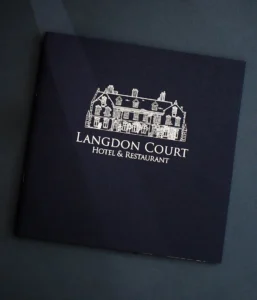
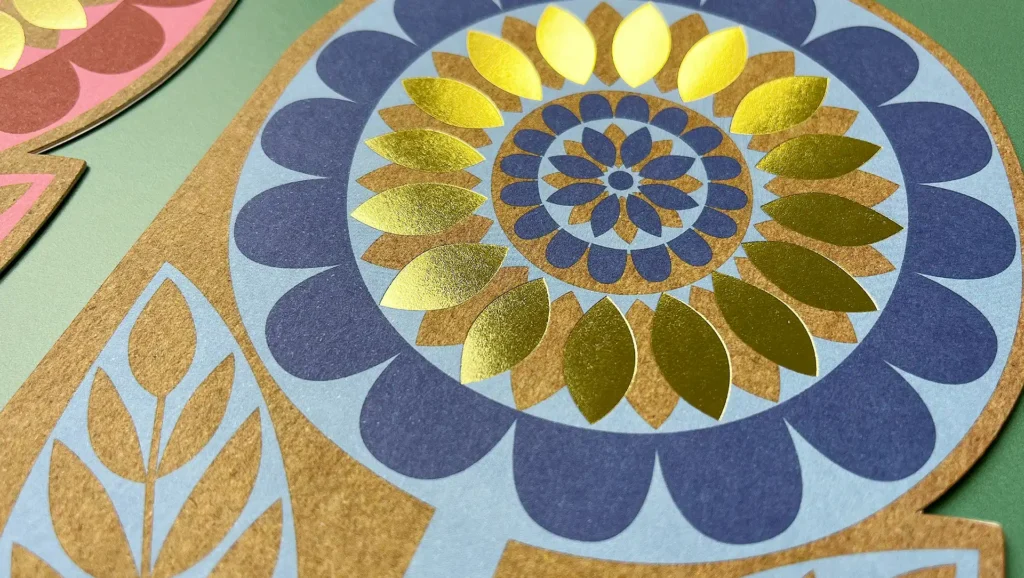
Foil stamping uses heat and pressure to apply metallic or coloured foils to a design, creating a stunning, high-end finish. This is often used for wedding invitations, luxury business cards and premium packaging, adding a touch of elegance and sophistication.
While gold, silver and coloured foils are the most popular choices, there are plenty of others to explore. Holographic foils shift colour as the light moves across them, pigmented foils deliver flat, solid colour, and security foils are used where print needs to prove it is genuine, on tickets, certificates and vouchers. No matter the choice, foiling is a great way to make printed materials feel special.
Embossing & Debossing
Embossing and debossing add depth and texture to paper, creating a distinctive and tactile finish. Embossing raises a design from the surface of the paper, giving it a high-end, luxurious feel that stands out both visually and to the touch. In contrast, debossing presses the design into the material, and is often paired with ink or foil stamping for an extra layer of sophistication.
These are popular for business cards, invitations and packaging, adding a professionally finished look. Whether you want to create a bold design, or a subtle, elegant impression, embossing and debossing add a unique touch.

Die-Cutting
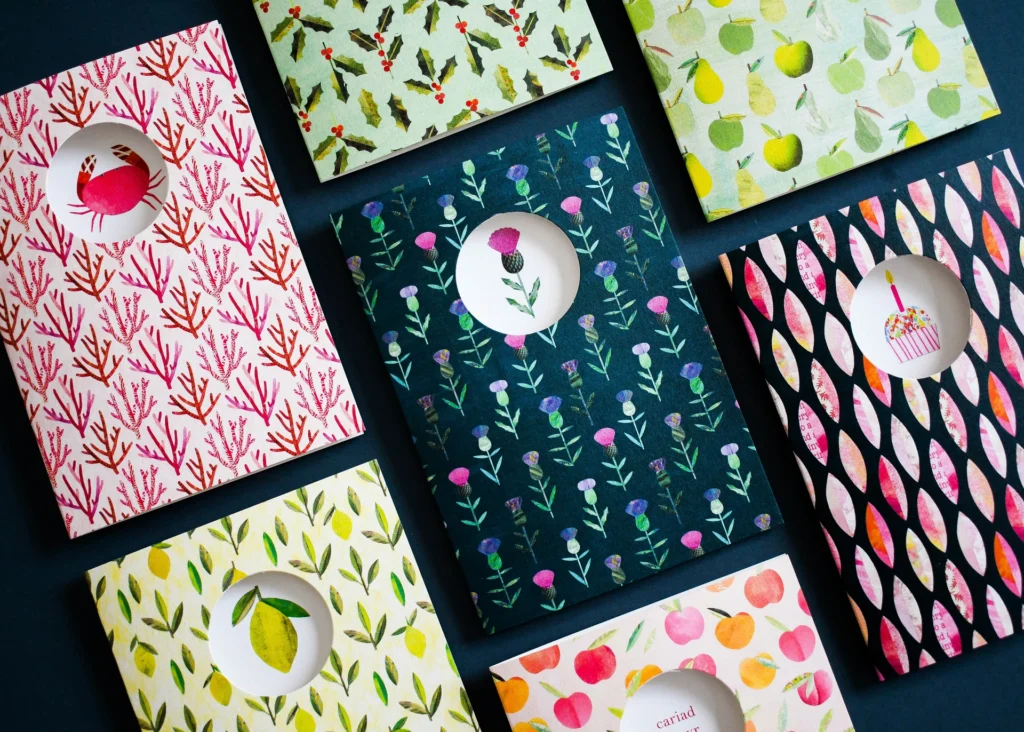
Die-cutting allows you to cut unique shapes into printed materials, adding creativity and visual appeal. Whether it’s a custom-shaped business card, a custom greeting card or a promotional flyer with an eye-catching design, die-cutting helps your print stand out. This technique makes print more engaging by giving it a unique shape, making it more interactive and attention-grabbing.

Folding: Tri-fold, Z-fold, Gate-fold
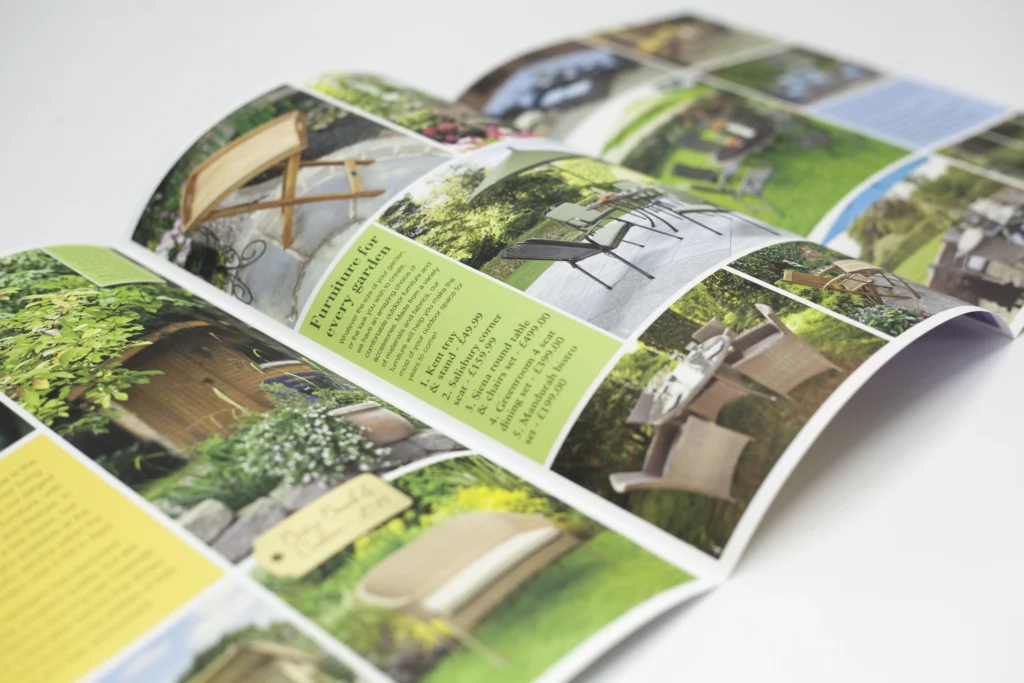
Folding techniques play a crucial role in creating professional and well-structured booklets, brochures and leaflets. A tri-fold is a popular choice for brochures and leaflets, offering a compact and organised layout. The Z-fold is ideal for step-by-step guides, unfolding in a way that makes information easy to follow. For high-impact marketing materials, the gate-fold opens like double doors, creating a dramatic reveal for key messages or visuals. Choosing the right folding technique can enhance readability and engagement, making your printed materials more effective.
On heavier stocks, we crease the sheet before folding. Creasing puts a clean hinge into the paper fibres so the fold stays sharp and the printed surface doesn’t crack along the spine. It is a small step that makes a visible difference on laminated and heavily inked covers.

Binding: Saddle Stitching, Perfect Binding, Wiro Binding
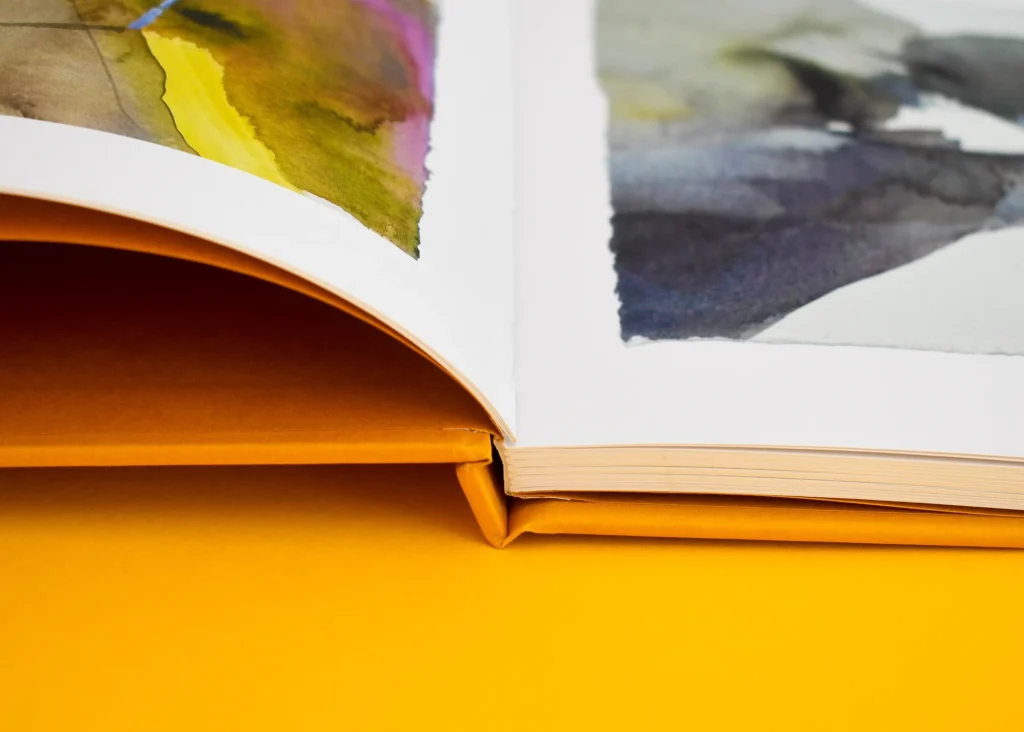
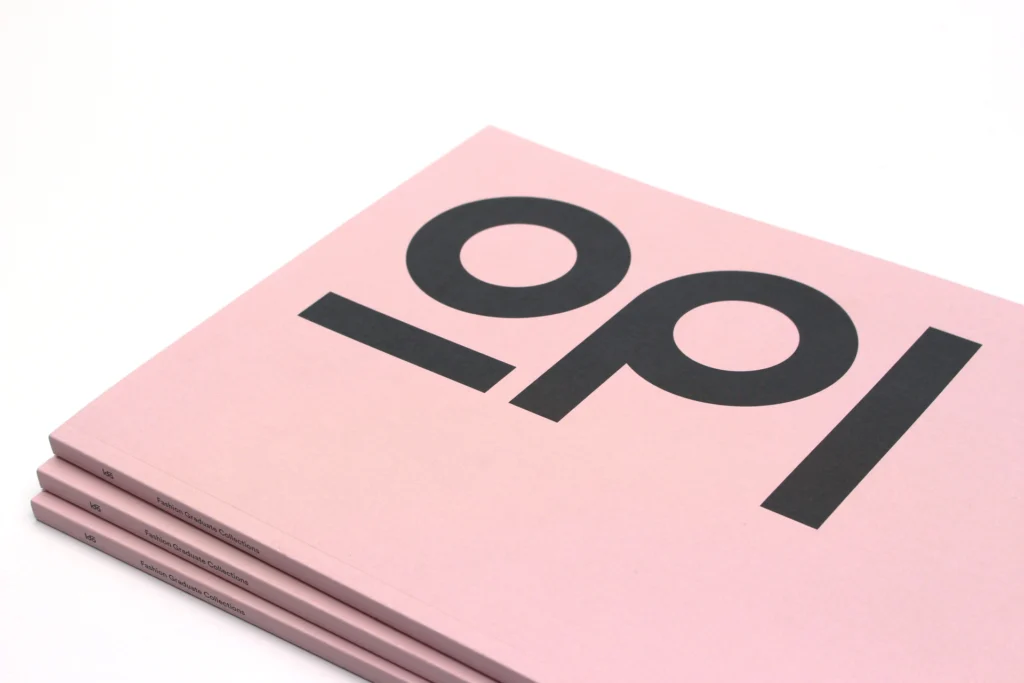
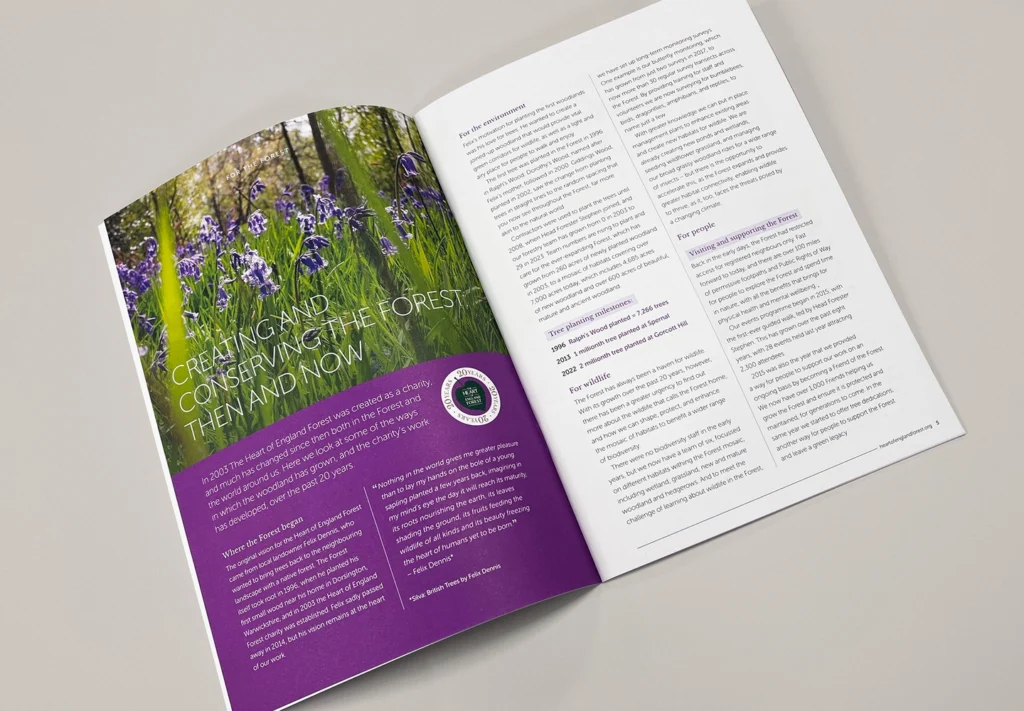
Binding is an essential finishing technique that holds printed pages together, giving booklets, magazines and reports a polished and professional look. Saddle stitching uses staples along the fold, making it a cost-effective and ideal choice for booklets and brochures. Perfect binding, commonly seen in magazines, features a glued spine that provides a sleek and durable finish. For documents that need to lay flat, such as reports and notebooks, wiro binding uses plastic or metal rings to allow easy page turning. Selecting the right binding method will ensure your print is functional and presentable.
As a guide, saddle stitching works up to around 80 pages depending on the paper weight, and perfect binding (PUR) runs from 2mm up to 50mm thick, which covers everything from a slim brochure to a substantial printed book. One tip from our studio: design your publication in multiples of four pages, as each printed sheet folds to four, and you’ll avoid paying for blanks.
Special Finishing Techniques: Metallic Inks, White Ink and Unusual Stocks
Beyond the classic finishes, a few special finishing techniques can set a design apart.
Metallic inks are printed on press rather than stamped, which makes them a cost-effective way to carry a metallic look across larger areas or bigger quantities. They sit best on coated stock, and while they won’t give you the mirror shine of a true foil, they catch the light well at a fraction of the cost.
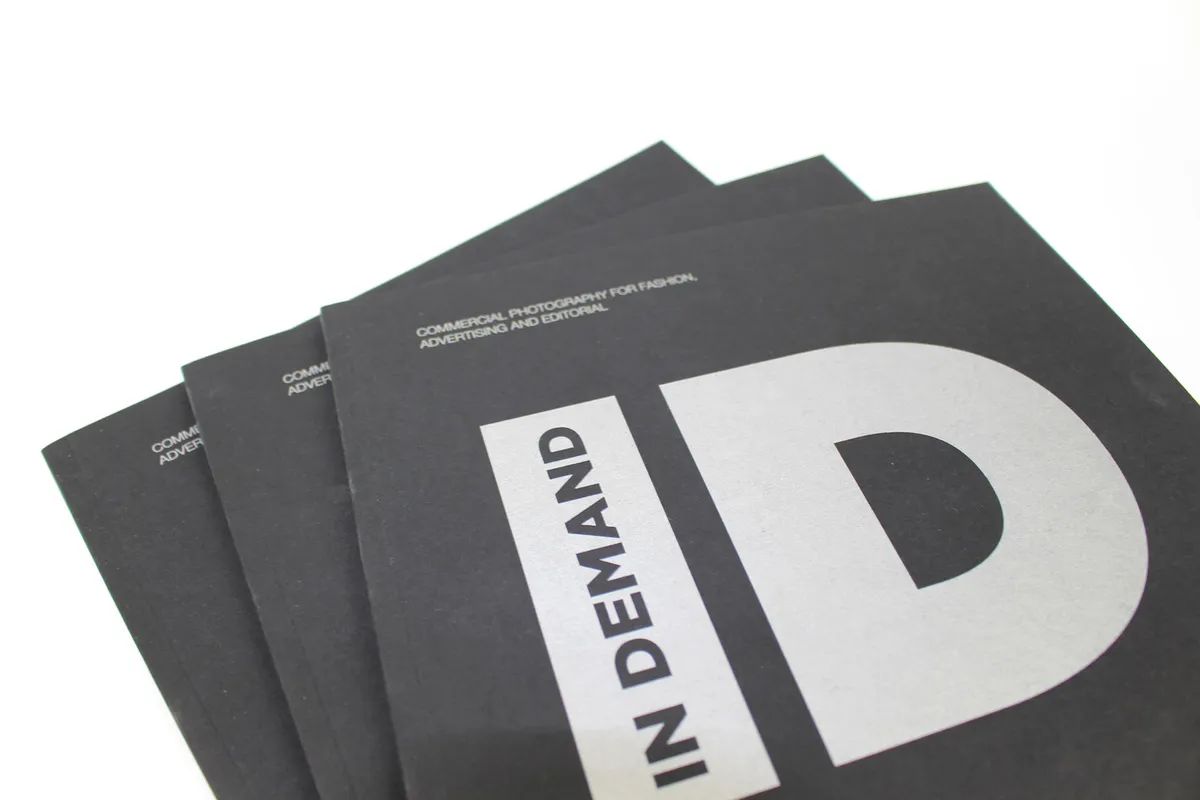
White ink comes into its own on dark or coloured stocks. Printing white under or instead of the standard colour split turns the paper itself into part of the design, and it is a striking route for covers, invitations and packaging on deep-coloured and kraft papers.
You can also take print beyond standard paper altogether. From textured and coloured specialty papers to vinyl and fabric for display work, the choice of print finishing materials shapes the finished piece as much as the finish itself. If you have an unusual stock or material in mind, ask us early and we’ll advise on what will print and finish well on it.
Which Print Finish is Best?
The best print finish depends on the purpose of your project. Glossy finishes are vibrant and reflective, making them ideal for marketing materials and photography, while matt finishes offer a subtle, non-reflective look that enhances readability and adds a touch of elegance, perfect for luxury branding.
When choosing between matt and gloss, consider the trade-offs. Glossy finishes make colours stand out but can produce glare, whereas matt finishes create a sophisticated feel but may make colours appear less vibrant. Additionally, matt surfaces can show fingerprints more easily and are less resistant to water and scratches compared to gloss.
How Do I Choose the Right Print Finish for My Project?
Start by considering the purpose of your print. For a luxurious, high-end look, foil stamping or embossing add elegance and texture. If durability is a priority, lamination provides extra protection. If you’re still not sure which finish is best, our team are always on hand to help you find the perfect option to bring your vision to life.
What is Digital Print Finishing?
Digital print finishing is simply finishing applied to digitally printed work. At Ashley House, digital printing runs on our HP Indigo 7900 digital offset press, and sheets from it go through the same bindery as our litho work, so the full range of finishes, from lamination and foiling to every binding style, is available on digital projects too.
Where digital print finishing earns its place is on shorter quantities. Digital is usually the economical choice up to around 500 copies, so it pairs finishing with short-run work: sampling a finish before a longer run, personalised covers, or a small batch of premium brochures. Finishes are applied to the printed sheets before binding, whichever press the project runs on.
Sustainable Print Finishing
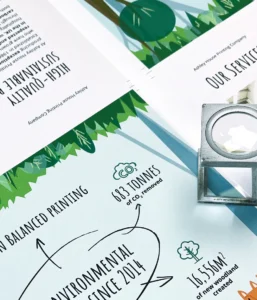
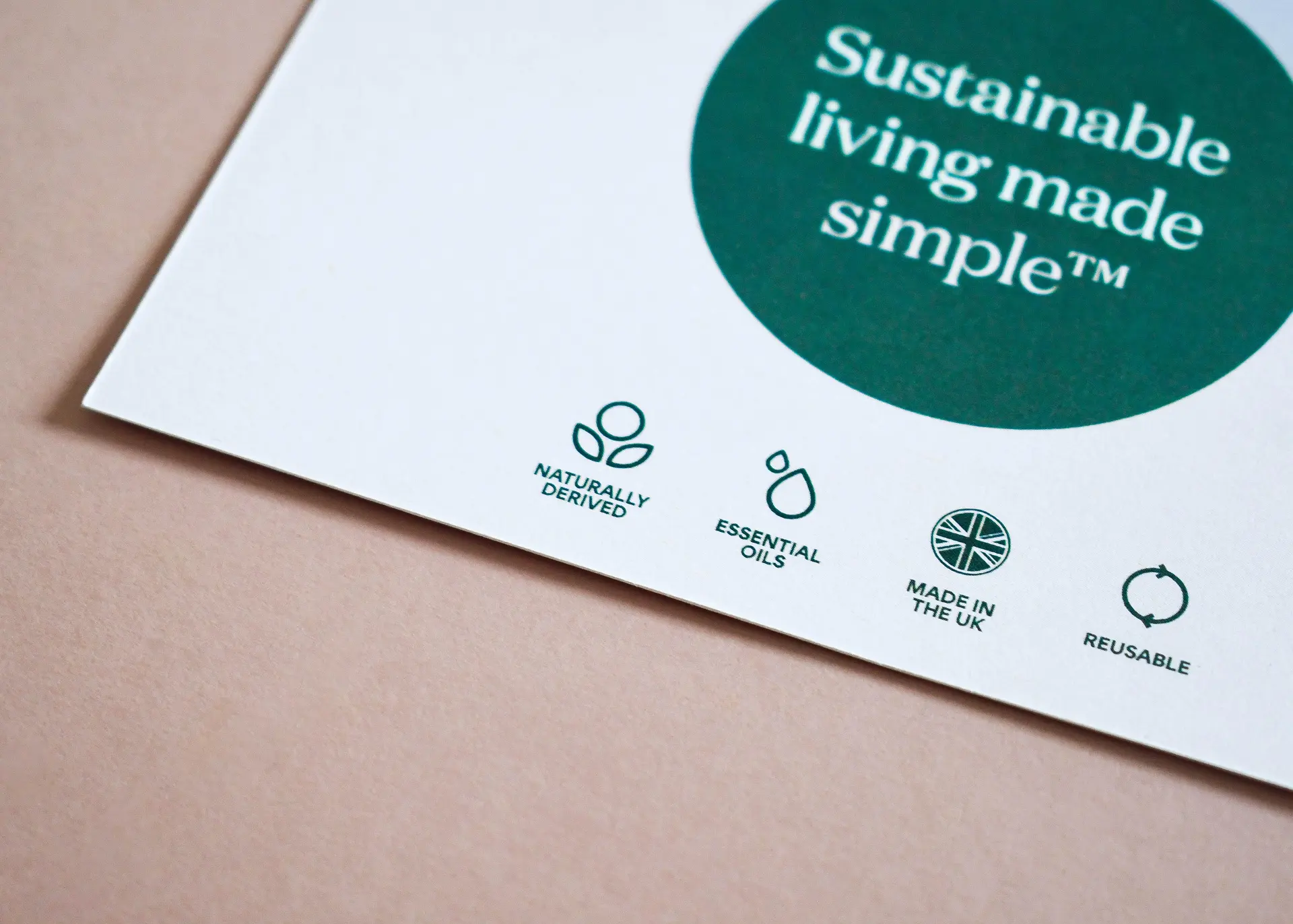
Finishing choices decide how easily a printed piece can be recycled, and for sheet-fed printing like ours, litho and digital alike, they are one of the simplest places to make print more sustainable. As a Carbon Balanced Printer through the World Land Trust, this is ground we know well.
Do Print Finishes Impact the Environment or Recyclability?
Some print finishes do. Traditional plastic lamination is the main one: it is difficult to recycle and takes far longer to biodegrade than uncoated paper. Most other finishes, including varnishes, foils used in moderation, embossing and standard binding, have a much smaller impact on recyclability.
Eco-Friendly Alternatives to Lamination
We offer biodegradable lamination and water-based varnishes that protect the sheet while keeping it recyclable. Uncoated stock needs no coating at all to look the part; around 75% of the brochures we print now run on uncoated papers.
Textured and Recycled Stocks
Sustainable finishing often starts with the paper, and high-quality printing on sustainable materials is standard here: every stock we use is FSC certified and responsibly sourced, including the recycled and textured ranges. Recycled Kraft brings warmth and texture of its own, and pairs well with a smooth premium uncoated stock such as Splendorgel for contrast. Embossing and debossing are worth a special mention here: they add texture and interest using no ink, foil or coating at all, which makes them among the most sustainable finishes available.
Show Your Eco Credentials
If your print is produced responsibly, say so on the piece. We can include the FSC® certification mark and the Carbon Balanced Paper logo through the World Land Trust on your print, and carbon balancing has been our standard since 2014 at no extra cost. For quality-led buyers, a credential printed on the back cover is a simple way to show the piece was produced responsibly. You can read more about how we make this possible on our eco printing page.
The Perfect Finish
The right print finishing technique can transform your materials from ordinary to exceptional. Whether you’re looking to create bold marketing materials, premium business cards or a high-quality brochure, the right finish will ensure your design makes a lasting impression.
At Ashley House, we offer a full range of print finishing services to help bring your designs to life. Get in touch with our team today to discuss your next print project.
Can I Request a Custom Print Finish?
Yes. Whether you need a special foil effect, custom-cut shapes, unique binding or any other bespoke finishing touch, we can create the right solution for your project. Tell us your vision and we’ll bring it to life; no idea is too big or too bold.
Frequently Asked Questions
-
A print finisher takes flat printed sheets and turns them into the finished piece: applying finishes such as lamination, then trimming on the guillotine, creasing, folding and binding. At Ashley House, this happens in our own bindery and finishing department, so your project never leaves the building between press and delivery.
-
A varnish is a liquid coating applied to the sheet, either all over or as spot UV on selected areas, and it keeps the sheet thin and readily recyclable. Lamination bonds a film over the whole sheet, giving far more protection and durability. Choose varnish for a subtle lift and easy recycling; choose lamination for pieces that need to survive heavy handling.